

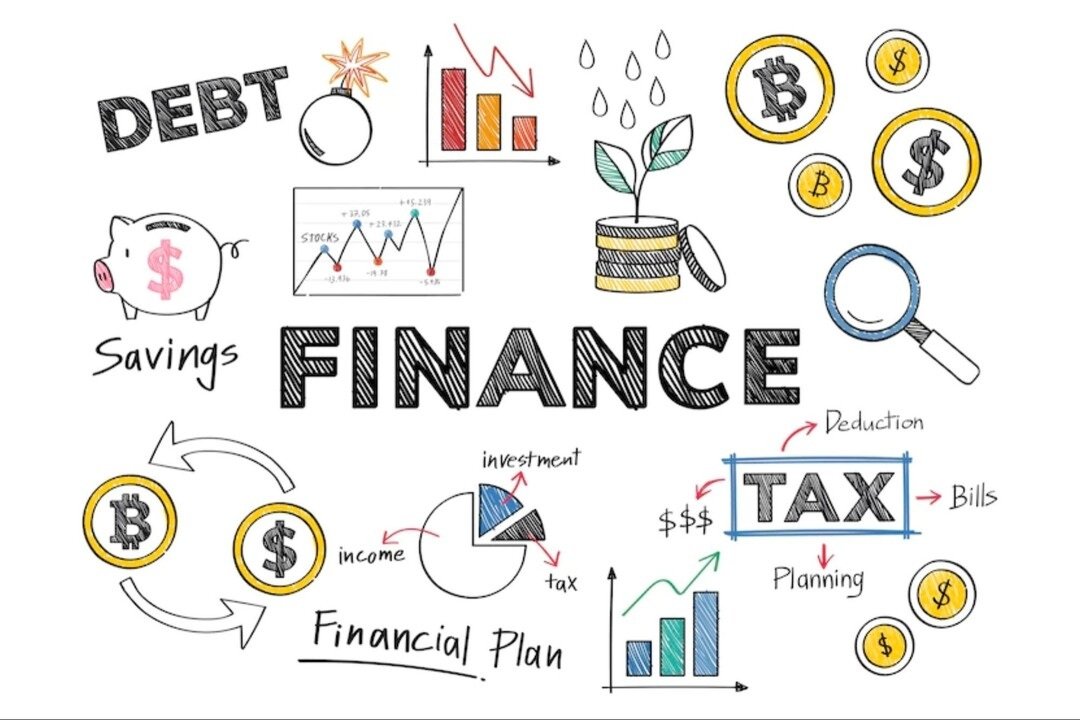
If you were to look back a few years, traditional personal finance advice felt relatively straightforward. The standard economic playbook advocated for predictable milestones: save a fixed percentage of your paycheck, invest passively in broad-market index funds, and rely on historical inflation averages to project your retirement needs. It was a linear, set-it-and-forget-it system designed for a highly predictable economic climate.

In 2026, that old playbook has officially become obsolete. We have entered a new economic epoch defined by rapid technological disruption, shifting labor markets, fluctuating living costs, and an overwhelming saturation of financial data. Managing money today is no longer about following a static, lifelong formula. Instead, smart financial planning has transformed into an active, dynamic survival skill. To build genuine wealth and security this year, your financial strategy must evolve. Here is why intelligent planning is more critical than ever in 2026.
1. Navigating the Fragmented Income Landscape
The traditional model of a single, lifelong corporate career with a predictable salary trajectory is rapidly fading. In 2026, the modern workforce is highly decentralized and fluid. A significant portion of professionals now earn their living through a combination of remote consulting, freelance contracts, digital content creation, and fractional corporate roles.
While this shift offers unprecedented personal freedom and autonomy, it introduces a major variable into financial planning: income volatility. When your paycheck changes from month to month, traditional budgeting models collapse. Smart financial planning in 2026 requires building “cash-flow architecture.” Modern professionals must master the habit of managing rolling 30-day budgets, establishing dynamic cash buffers that absorb dry spells, and automating tax withholding across multiple revenue streams. Without a deliberate plan to smooth out these financial peaks and valleys, variable income can quickly lead to structural debt.
2. Guarding Wealth Against “Silent” Inflation Shocks
For decades, inflation was viewed as a slow, uniform metric that crept up predictably at two or three percent a year. However, recent macroeconomic shifts have proven that modern inflation is far more localized and erratic. While some consumer goods have stabilized, essential fixed costs—such as high-quality housing, comprehensive healthcare, and premium education—have experienced unprecedented, concentrated price spikes.
This structural reality means that sitting on large pools of idle cash is a guaranteed way to lose purchasing power. Conversely, investing blindly without a clear timeline can expose your capital to unnecessary market volatility. Smart financial planning acts as a precise balancing act. It involves shifting away from stagnant savings accounts and utilizing sophisticated, high-yield liquid instruments, short-term debt securities, and targeted inflation-hedged assets. In 2026, protecting your wealth requires actively optimization so that your capital grows faster than the specific lifestyle costs you incur.
3. Mitigating Choice Fatigue in a Hyper-Digital Market
The democratization of financial technology has granted everyday consumers unprecedented access to global markets. From your smartphone, you can instantly purchase fractional shares of international equities, trade alternative digital assets, fund decentralized real estate projects, or utilize automated algorithmic trading bots.
However, this absolute abundance of access has created a major psychological hurdle: severe decision fatigue and analysis paralysis. When you are constantly bombarded by viral financial trends, conflicting market commentary, and hyper-targeted ads for speculative assets, it becomes incredibly easy to make emotional, fragmented investment choices.
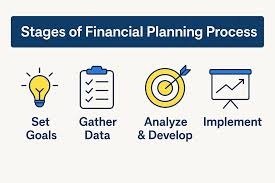
A modern financial plan serves as your ultimate cognitive filter. It establishes a strict, objective framework based entirely on your personal risk tolerance, absolute liquidity needs, and long-term milestones. When you have a deeply researched, personalized plan in place, you gain the psychological clarity required to ignore temporary market noise, avoid high-risk speculative traps, and stay committed to a compounding strategy that actually aligns with your life goals.
Final Thoughts: Agility Over Perfection
Ultimately, smart financial planning in 2026 isn’t about achieving a flawless, unchangeable state of perfection. It is about developing the agility, resilience, and baseline financial literacy required to navigate an increasingly complex economic world. Wealth is no longer a passive byproduct of a steady job; it is an active construction built through intentional daily habits, real-time adjustments, and structural optimization. Take an honest look at your financial framework today. Move past the outdated assumptions of the past, take control of your cash flow, and build a dynamic strategy that empowers you to face the future with absolute confidence.










Related Posts


Stay Informed With the Latest & Most Important News
Previous Post
Next Post











-
01The Pace of Modern Life: How Running Culture Is Rewriting the Rules of Fashion and Fitness
-
 02How to Choose the Perfect Flowers and Gifts for Every Celebration
 -
 03How to Buy Concert Tickets Online: A Complete Guide
 -
 04Shutterstock Unlimited: A Smarter Way to Power Your Creative Projects
 -
 05Swagbucks: How to Make Online Shopping More Budget-Friendly
 -
 06Bringing the ’70s Back: How to Renovate with Retro Flair (Without Looking Dated)
 -
 07Agoda: Making Travel Booking Simple and Affordable