
Growth Mindset vs. Fixed Mindset: Understanding the Key to Personal and Professional Success

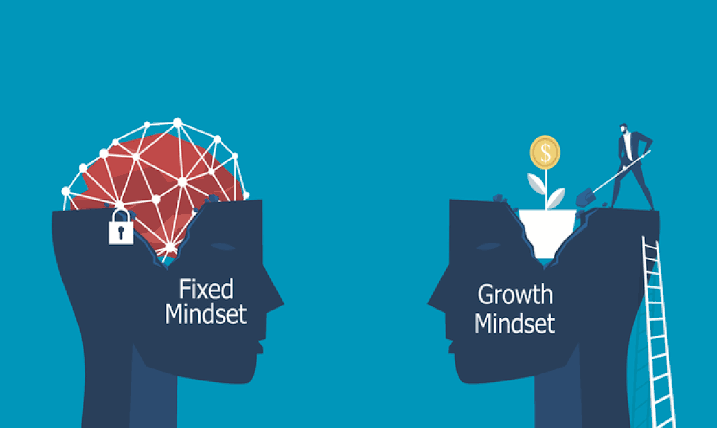
Why do some people embrace challenges while others avoid them? Why do certain individuals view failure as an opportunity to grow, while others see it as proof of their limitations? The answer often lies in their mindset. The way we think about our abilities can significantly influence our learning, confidence, and success.

The concepts of growth mindset and fixed mindset have gained widespread attention because they explain how our beliefs shape the way we approach life’s challenges. Understanding the difference between these two mindsets can help you unlock your potential and achieve your goals.
What Is a Fixed Mindset?
A fixed mindset is the belief that intelligence, talents, and abilities are largely set and cannot be significantly changed. People with this mindset often believe that they are either naturally good at something or they are not.
Common characteristics of a fixed mindset include:
- Avoiding challenges for fear of failure
- Giving up easily when faced with obstacles
- Viewing mistakes as personal failures
- Feeling threatened by the success of others
- Preferring tasks that feel safe and familiar
For example, someone with a fixed mindset might think, “I’m just not good at math,” or “I’ll never be a great public speaker.” These beliefs can prevent them from trying, practicing, or improving.
What Is a Growth Mindset?
A growth mindset is the belief that abilities and intelligence can be developed through effort, learning, and persistence. Instead of seeing challenges as barriers, people with a growth mindset view them as opportunities to improve.
Traits of a growth mindset include:
- Embracing challenges
- Learning from mistakes
- Welcoming constructive feedback
- Persisting through setbacks
- Celebrating the success of others as inspiration
Someone with a growth mindset might say, “I’m not good at this yet, but I can improve with practice.” This simple shift in thinking encourages continuous learning and resilience.
How Mindset Affects Success
Mindset influences the way we respond to everyday situations. A fixed mindset may lead someone to avoid difficult tasks because they fear making mistakes or looking incapable. In contrast, a growth mindset encourages people to step outside their comfort zone and develop new skills.
Whether you’re learning a language, starting a new job, or pursuing a fitness goal, believing that improvement is possible can increase motivation and persistence.
Success is rarely the result of talent alone. Consistent effort, learning, and adaptability often play an equally important role.
The Power of Learning from Failure
Failure is a natural part of growth, yet many people fear it. Those with a fixed mindset often see failure as confirmation that they lack ability, while those with a growth mindset view it as valuable feedback.
Every mistake offers an opportunity to ask:
- What went wrong?
- What can I learn from this experience?
- What can I do differently next time?
By treating setbacks as lessons rather than defeats, you become more resilient and better prepared for future challenges.
How to Develop a Growth Mindset
The good news is that a growth mindset can be cultivated with intentional practice. Here are a few ways to strengthen it:
- Replace negative self-talk with encouraging language.
- Focus on progress rather than perfection.
- Embrace challenges instead of avoiding them.
- Ask for feedback and use it to improve.
- Celebrate effort as much as results.
- Set realistic goals and stay consistent.
- View lifelong learning as an ongoing journey.
Small changes in perspective can have a lasting impact on your confidence and willingness to try new things.
Why Mindset Matters in Everyday Life
A growth mindset isn’t just useful in school or the workplace—it can improve many aspects of life. It helps you build stronger relationships, adapt to change, develop healthier habits, and approach problems with curiosity rather than fear.
People with a growth mindset are often more open to learning from others, exploring new opportunities, and continuing to improve throughout their lives.
Final Thoughts
The difference between a growth mindset and a fixed mindset isn’t about intelligence or talent—it’s about belief. While a fixed mindset can limit potential by creating fear of failure, a growth mindset encourages continuous improvement through effort, persistence, and learning.
Everyone faces challenges and setbacks, but your response to them can shape your future. By choosing to see obstacles as opportunities and mistakes as valuable lessons, you can develop new skills, achieve meaningful goals, and continue growing both personally and professionally.
Remember, success isn’t about being perfect from the start. It’s about believing that with time, effort, and determination, you can become better than you were yesterday.










Related Posts



Stay Informed With the Latest & Most Important News
Previous Post
Next Post
Previous Post

Next Post











-
 01The Sensorial Shift: Discover the Latest Trends in Beauty, Skincare, and Fragrances
 -
 02Celebrities Making Headlines with Climate Activism and Awareness
 -
 03Klook vs Sonder: Why Travelers Are Choosing Flexible Online Booking Platforms
 -
 04The Ultimate Skincare Routine for Every Skin Type
 -
 05Find the Best Hotel Deals on Booking.com: A Complete Guide
 -
 06How to Become Fluent in a Foreign Language Through Daily Practice
 -
 07Healthy Meal Delivery Ideas for Busy Professionals