
The New Economic Reality: How Rising Living Costs Are Rewriting Financial Planning

For decades, traditional financial advice followed a relatively predictable, comfortable script. We were told to build a standard three-to-six-month emergency fund, automate a fixed percentage of our income into long-term retirement accounts, and follow the classic 50/30/20 rule—allocating half of our paycheck to needs, thirty percent to wants, and twenty percent to savings. It was a linear framework designed for a relatively stable economic climate.
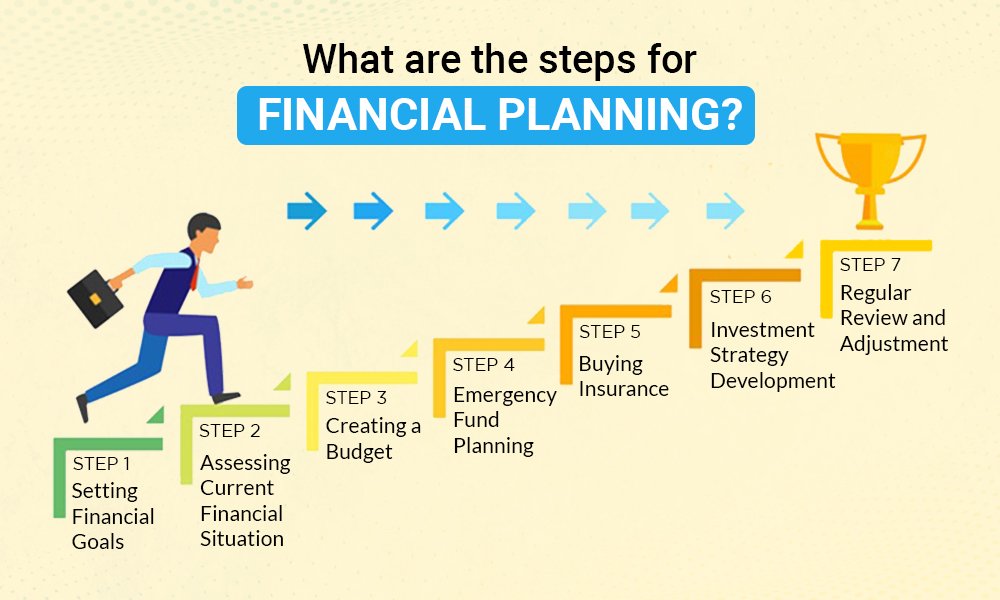
However, the macroeconomic landscape has shifted fundamentally. Persistent inflation, skyrocketing housing costs, and fluctuating energy prices have turned everyday expenses into major financial hurdles. When the baseline cost of groceries, utilities, and rent consumes a massive, unprecedented portion of the average household budget, the old rules of personal finance simply collapse. In response, consumers are completely abandoning rigid, outdated formulas and adopting highly adaptive, defensive financial planning habits. Here is how modern living costs are changing how we manage our money.
1. From Rigid Annual Budgets to Rolling Cash-Flow Forecasts
The traditional habit of sitting down once a year to create a fixed, static budget is officially dead. In an era where a trip to the supermarket or a monthly utility bill can fluctuate wildly from one month to the next, a static annual plan becomes irrelevant within weeks.
Modern financial planning has shifted to real-time cash-flow forecasting. Instead of projecting expenses twelve months into the future, people are adopting rolling 30-day and 90-day micro-budgets. This habit involves reviewing bank statements weekly and treating the budget as a living, breathing document. If energy costs spike in a given month, consumers immediately down-regulate their discretionary spending for the following two weeks to compensate. This hyper-vigilance ensures that unexpected price hikes are absorbed instantly, preventing households from drifting into high-interest credit card debt.
2. The Rise of “Cash Cushioning” and the Cash-Flow Buffer
The concept of the traditional emergency fund has undergone a major strategic rewrite. Historically, financial planners viewed an emergency fund as a stagnant pool of capital locked away strictly for catastrophic events, like a sudden job loss or a major medical emergency.

With rising living costs, however, consumers are experiencing a constant stream of “micro-emergencies”—minor price shocks that don’t qualify as disasters but still disrupt a monthly budget. This has given rise to the habit of “cash cushioning.” Instead of keeping all extra capital in locked retirement accounts or volatile investment portfolios, people are keeping a highly accessible, liquid buffer in high-yield savings accounts. This cushion acts as a financial shock absorber, allowing individuals to pull small amounts of cash to cover inflated seasonal expenses without touching their core, long-term emergency reserves.
3. Radical Optimization: Shifting from Cutting to Auditing
In past economic downturns, the go-to financial advice was centered on superficial micro-cuts: skipping the daily gourmet coffee, bringing a packed lunch to work, or cutting back on occasional dining out. While these habits save small amounts of cash, they are wholly inadequate against a massive macro-rise in the cost of living.
Today’s consumers are practicing radical optimization, bypassing minor lifestyle sacrifices to focus heavily on structural fixed costs. Financial planning now looks more like a corporate audit. People are aggressively shopping around for insurance premiums, renegotiating internet and cellular contracts, and ruthlessly cutting subscription models through automated apps. Furthermore, there is a massive shift toward conscious consumerism—embracing a “low-buy” or “intentional spending” mindset where every major purchase is evaluated strictly on its absolute utility and longevity rather than temporary emotional gratification.
Final Thoughts: Resilience Over Perfection
Ultimately, the inflation-driven transformation of financial planning isn’t a sign of defeat; it is an evolution toward true economic resilience. While managing money in a high-cost world requires more active attention and agility than it did in the past, the habits being formed today are incredibly healthy. By moving away from lazy, automated assumptions and embracing rolling forecasts, liquid buffers, and structural optimization, consumers are building a highly practical financial toolkit. True financial security is no longer about following a perfect, static formula—it is about developing the flexibility to navigate an unpredictable economic world with absolute confidence.










Related Posts



Stay Informed With the Latest & Most Important News
Previous Post
Next Post












-
 01The Art of Romanticizing Your Everyday Life: Finding Joy in the Ordinary
 -
 02Stand or Sit? Standing Desk vs. Traditional Desk: Which One Is Better for Remote Work?
 -
 03Common Language Learning Mistakes and How to Avoid Them
 -
 04Comment créer un espace de vie extérieur parfait
 -
 05Vrbo vs Airbnb: Which Vacation Rental Platform Should You Choose?
 -
 06Why Eurostar Is Still the Best Way to Travel from London to Paris
 -
 07Online Clothing Shopping: Convenience, Choice, and the Future of Fashion