

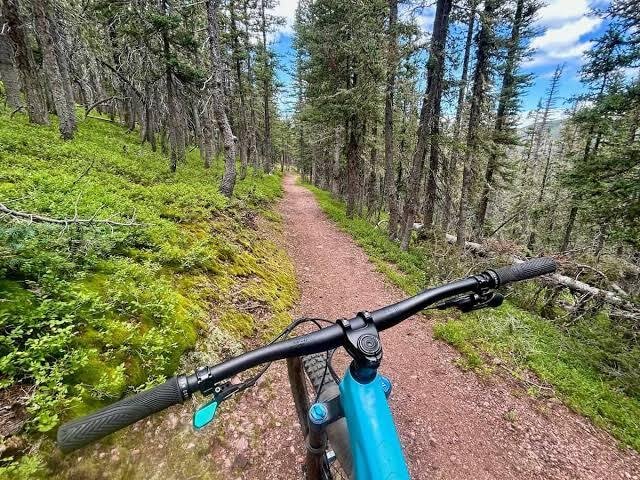
Mountain biking is a fantastic way to explore the outdoors, improve fitness, and enjoy an adventurous escape from everyday routines. Whether you want to ride through forest trails, explore countryside paths, or tackle uneven terrain, choosing the right mountain bike can make your experience safer and more enjoyable.
For beginners, the wide range of bike styles, suspension systems, and technical features can make buying a first mountain bike confusing. The good news is that you do not need the most expensive model to get started. Understanding a few essential features can help you find a reliable bike that suits your skill level and budget.
1. Start With a Beginner-Friendly Hardtail
A hardtail mountain bike has suspension at the front but no rear suspension. It is often an excellent starting point because it is generally lighter, more affordable, and easier to maintain than a full-suspension model.
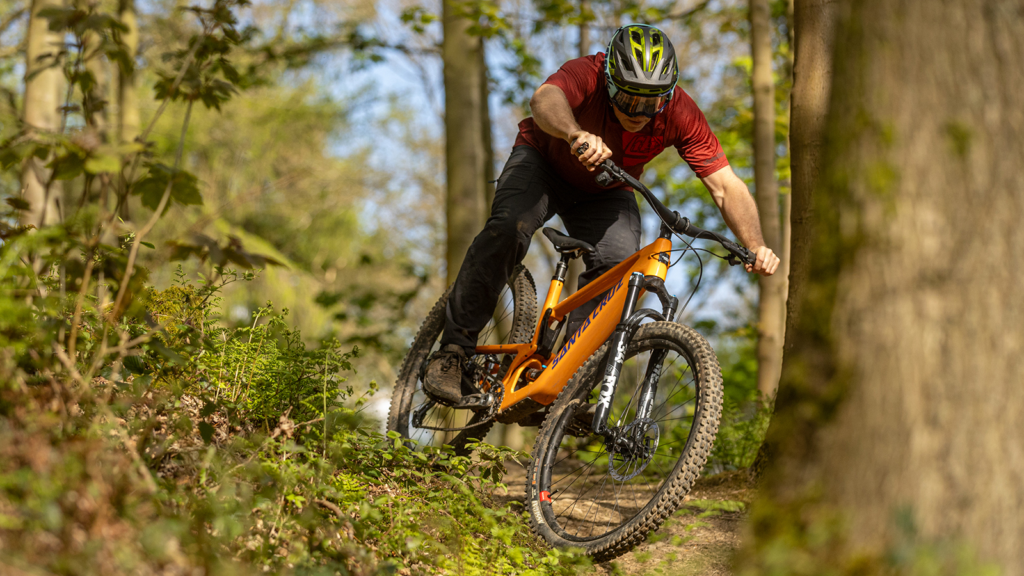
Hardtails work well for beginners exploring forest paths, gravel tracks, gentle hills, and flowing trails. They also help riders develop essential skills such as choosing a riding line and maintaining balance over uneven ground.
Models such as the Trek Marlin, Giant Talon, and Specialized Rockhopper are worth comparing when looking for an entry-level mountain bike. Availability and specifications vary by model year and market.
2. Consider Full-Suspension Bikes for Rougher Trails
Full-suspension mountain bikes have both front and rear suspension. This design can improve comfort, grip, and control on rocky paths, steep descents, and technical trails.
However, these bikes typically cost more and require additional maintenance. A budget full-suspension bike may also have heavier components or less capable suspension than a similarly priced hardtail.
If you are new to mountain biking and mainly plan to ride easy or moderate trails, a quality hardtail may provide better value. Consider full suspension when your preferred terrain genuinely calls for it.
3. Choose the Right Wheel Size
Wheel size affects how a mountain bike handles different surfaces. The most common options include 27.5-inch and 29-inch wheels.
- 27.5-inch wheels: Often feel agile and responsive, making them useful for tighter turns and riders who prefer a more maneuverable bike.
- 29-inch wheels: Roll over obstacles more easily and maintain momentum well, which can be helpful on longer rides and rougher trails.
Neither option is automatically better for every rider. Your height, frame size, riding style, and personal comfort should guide your decision.
4. Look for Reliable Brakes and Gears
Good brakes are essential when riding downhill or navigating loose surfaces. Disc brakes are common on modern mountain bikes and generally provide dependable stopping performance.
Hydraulic disc brakes usually offer strong braking with less hand effort, while mechanical disc brakes can be simpler and less expensive to maintain.
For gears, look for a drivetrain that offers a suitable range for climbing hills and riding on flatter sections. A simple setup can be easier for beginners to understand and maintain.
5. Pay Attention to Frame Size and Comfort
Even a well-equipped mountain bike can feel difficult to control if it does not fit properly. Check the manufacturer’s size chart and, if possible, test ride a few models before buying.
You should be able to reach the handlebars comfortably, operate the brakes easily, and maintain a balanced riding position. Saddle height and handlebar adjustments can further improve comfort.
An appropriately sized bike is especially important when learning to handle corners, uneven ground, and gradual descents.
6. Set a Realistic Budget
Your budget should include more than the bike itself. You may also need a helmet, gloves, a repair kit, a pump, and suitable riding clothing.
Compare the frame quality, brakes, suspension, drivetrain, warranty, and local servicing options rather than focusing only on the number of gears or advertised discounts.
Buying from a reputable bicycle shop can be helpful because staff can assist with sizing, assembly, and basic adjustments.
7. Prepare for Your First Trail Ride
Before heading outdoors, check the brakes, tires, gears, and overall condition of your bike. Wear a properly fitted helmet and carry water, a phone, and basic repair supplies.
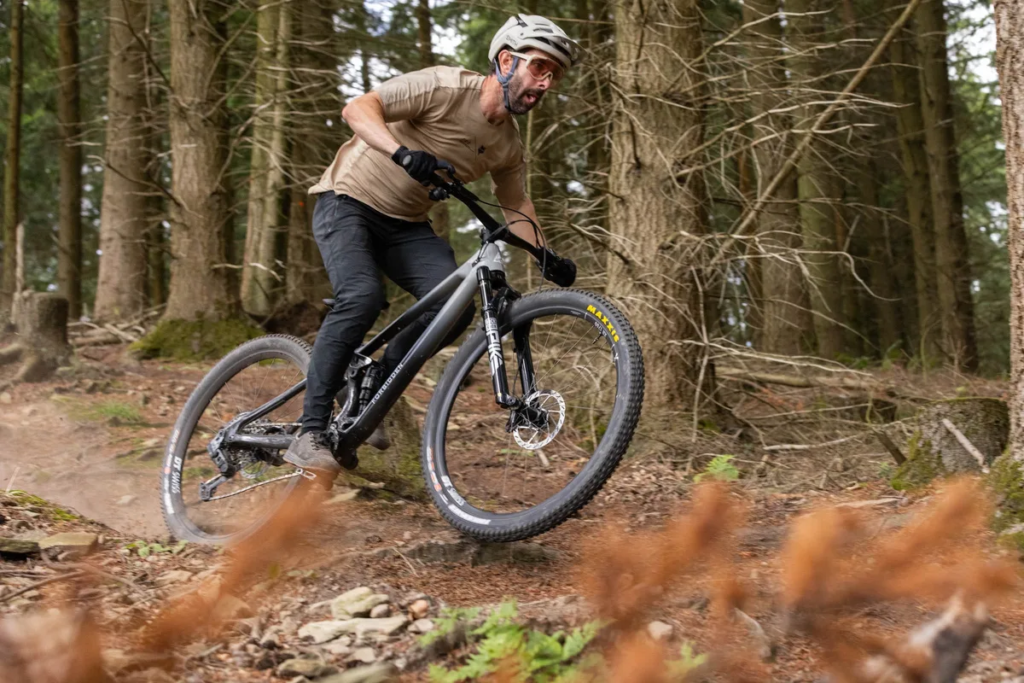
Start with beginner-friendly trails and increase the difficulty as your confidence improves. Learn to brake smoothly, look ahead, and maintain control on uneven ground. Follow local trail rules and respect other trail users.
Final Thoughts
The best mountain bike for beginners is one that fits comfortably, suits your preferred terrain, and stays within your budget. Hardtails such as the Trek Marlin, Giant Talon, and Specialized Rockhopper are useful starting points for comparison, while full-suspension bikes may suit riders who regularly tackle rougher trails.
Take time to compare models, prioritize reliable components, and choose a bike that supports your progress. With the right equipment and gradual practice, trail riding can become an enjoyable way to stay active and discover new outdoor adventures.









Related Posts

Stay Informed With the Latest & Most Important News
Previous Post
Next Post










-
 01How AI-Powered Wearables Are Changing Everyday Life
-
 02Best Video Editing Software (2026)
-
 03Why Freelancers Are Switching to Smarter International Payment Solutions
-
 04Winter Skincare Essentials: How to Keep Your Skin Healthy in Cold Weather
-
 05Driving Conversion-Ready Users via SEO Content & Comparison Guides
-
 06Robots in Restaurants: The Future of Dining
-
 07Klook vs Sonder: Why Travelers Are Choosing Flexible Online Booking Platforms