

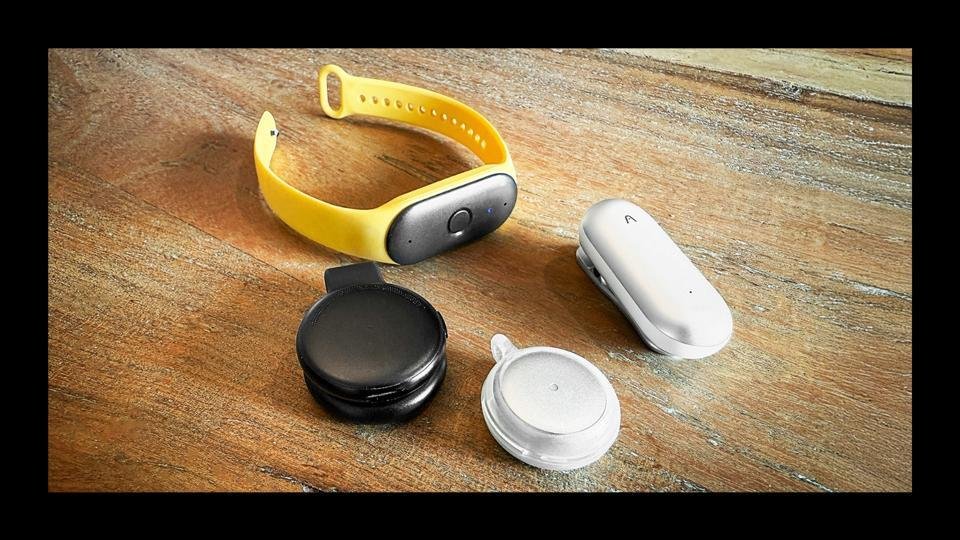
Technology has become increasingly personal. Instead of simply using computers and smartphones, people can now wear technology that interacts with them throughout the day. AI-powered wearables are taking this idea further by combining sensors, artificial intelligence, and connected devices to create smarter and more responsive everyday experiences.
From smartwatches and fitness trackers to AI-enabled earbuds and smart glasses, these devices are changing how people communicate, work, exercise, and manage their daily routines.
What Are AI-Powered Wearables?
AI-powered wearables are electronic devices designed to be worn on the body that use artificial intelligence to analyze information and provide personalized responses or insights.
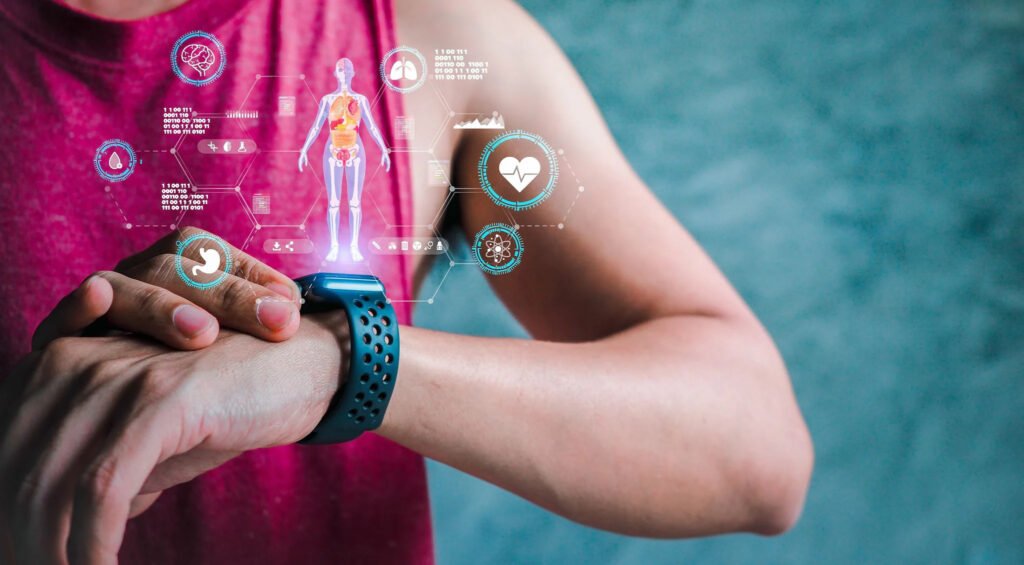
Unlike traditional wearable devices that may simply collect data, AI-enabled wearables can interpret patterns and use that information to provide recommendations, predictions, or automated assistance.
Smartwatches can analyze activity patterns, earbuds can adapt audio experiences, and emerging AI glasses can provide information based on what the wearer sees or hears.
Smarter Fitness and Activity Tracking
Fitness is one of the most visible areas where AI-powered wearables are making an impact.
Modern smartwatches and fitness trackers can collect information about movement, workouts, sleep patterns, and other activity-related metrics. AI can analyze this data to identify patterns and provide personalized insights.
Instead of simply showing how many steps someone has taken, an intelligent wearable can help users understand their activity habits and make adjustments to their routines.
This can make fitness tracking feel less like collecting numbers and more like receiving personalized guidance.
Personalized Everyday Assistance
AI wearables can also function as personal assistants.
Imagine receiving reminders, checking information, managing tasks, or interacting with an AI assistant without constantly reaching for your phone. Voice-enabled wearables can make these interactions more natural and accessible.
AI-powered earbuds, for example, can potentially assist with tasks such as answering questions, translating conversations, or managing audio content.
As these technologies develop, everyday interactions with digital assistants may become increasingly hands-free.
AI Glasses and a More Interactive World
AI-powered smart glasses are another emerging category.
Instead of looking down at a smartphone to access information, users can potentially interact with digital assistants through voice and other interfaces while remaining focused on their surroundings.
Depending on the technology, AI glasses may assist with navigation, identify objects, translate text, capture content, or provide contextual information.
This could make technology feel less like something we actively operate and more like something that quietly supports us throughout the day.
Helping People Work More Efficiently
AI-powered wearables could also change workplace productivity.
Professionals may use voice-enabled devices to record ideas, create reminders, access information, or summarize conversations. Hands-free tools can be particularly useful in environments where using a smartphone or computer isn’t practical.
For example, someone working in the field could potentially access instructions or communicate with colleagues without stopping what they’re doing.
The goal isn’t necessarily to replace existing technology but to make digital tools more accessible in situations where traditional devices are inconvenient.
Making Travel More Convenient
Travel is another area where AI wearables could become useful.
Smart glasses or AI-enabled earbuds could help travelers navigate unfamiliar locations, translate signs or conversations, and access useful information without constantly checking a phone.

For tourists exploring a new city, this could make travel feel more seamless. Instead of stopping to search for information, travelers could interact with an AI assistant while continuing to explore their surroundings.
Privacy and Security Challenges
Despite their potential, AI-powered wearables also raise important questions.
Because these devices can collect information about conversations, locations, activities, and surroundings, privacy becomes an important consideration.
Users should understand what data their devices collect, how that information is stored, and whether it is shared with third parties.
Manufacturers will also need to develop strong privacy and security measures as wearable AI becomes more sophisticated.
What’s Next for AI Wearables?
The future of wearable technology is likely to become more personalized and less dependent on screens.
Instead of constantly opening apps and searching for information, people may increasingly interact with technology through voice, gestures, and contextual assistance.
The most successful wearables will likely be those that provide useful assistance without becoming distracting or intrusive.
Final Thoughts
AI-powered wearables are changing everyday life by bringing intelligent technology closer to the people who use it. From personalized fitness insights and hands-free assistance to smarter travel and emerging AI glasses, these devices are expanding what wearable technology can do.
However, innovation must be balanced with privacy, security, and responsible design. As AI becomes more integrated into the devices we wear, the goal should not simply be to make technology more powerful—it should be to make everyday life more convenient, connected, and intuitive.
The next generation of technology may not be something we carry in our pockets. It may be something we wear every day.










Related Posts



Stay Informed With the Latest & Most Important News
Previous Post
Next Post












-
 01The Sensorial Shift: Discover the Latest Trends in Beauty, Skincare, and Fragrances
 -
 02Celebrities Making Headlines with Climate Activism and Awareness
 -
 03Klook vs Sonder: Why Travelers Are Choosing Flexible Online Booking Platforms
 -
 04The Ultimate Skincare Routine for Every Skin Type
 -
 05Find the Best Hotel Deals on Booking.com: A Complete Guide
 -
 06How to Become Fluent in a Foreign Language Through Daily Practice
 -
 07Healthy Meal Delivery Ideas for Busy Professionals