

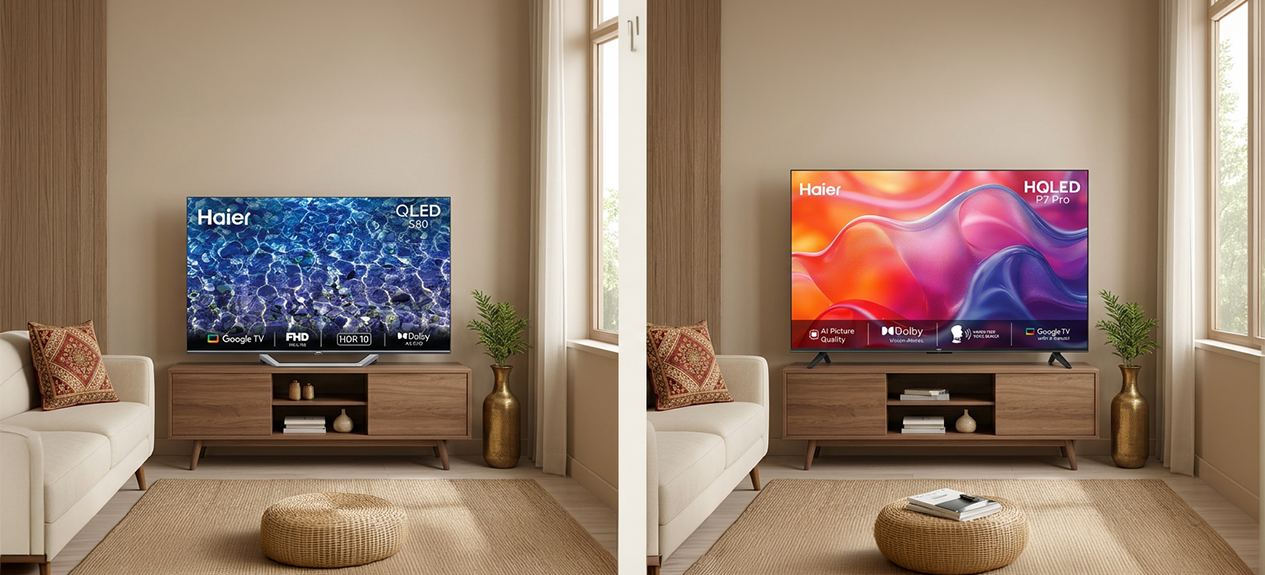
A smart TV can transform your home entertainment experience by bringing movies, television shows, live sports, music, and online streaming services together on one screen. With so many brands, screen sizes, and technologies available, choosing the right model can feel overwhelming. The most expensive television is not always the best choice, especially if you only need it for everyday viewing.
Understanding the essential features before purchasing can help you find a smart TV that matches your entertainment preferences, room size, and budget.
1. Choose the Right Screen Size
Screen size is one of the first things to consider when buying a smart TV. A larger screen can create a more immersive viewing experience, but it should suit the size and layout of your room.
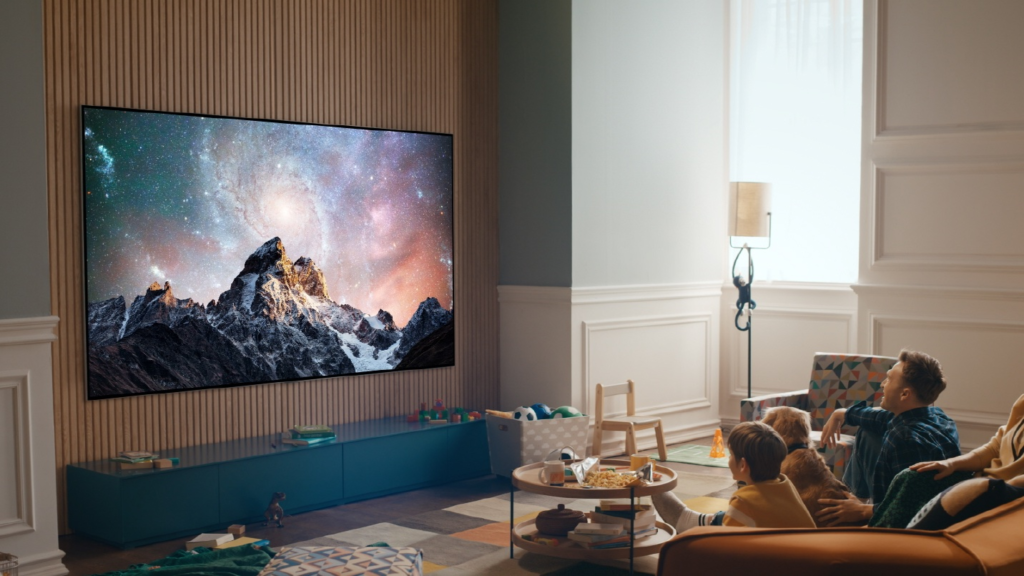
For bedrooms or compact living spaces, a 32–43-inch television may be sufficient. Medium-sized living rooms often suit 43–55-inch models, while larger rooms may accommodate screens measuring 65 inches or more.
Consider your viewing distance, available wall space, and seating arrangement before deciding. Visiting a showroom can also help you understand how different screen sizes look in person.
2. Understand Screen Resolution
Resolution determines how much detail a television can display. The most common options include Full HD, 4K Ultra HD, and 8K.
Full HD can be suitable for smaller screens and basic viewing needs. However, 4K televisions offer four times the pixel count of Full HD, producing sharper images on compatible content. They are a popular choice for modern living rooms.
Although 8K televisions offer higher resolution, compatible content remains limited compared with 4K. For most households, a good-quality 4K television offers a practical balance between picture clarity and price.
3. Compare Display Technologies
Different display technologies influence picture quality, contrast, brightness, and overall viewing experience.
LED TVs are widely available and often provide affordable options. QLED televisions use quantum-dot technology to enhance color and can deliver high brightness. OLED models allow individual pixels to produce their own light, offering deep blacks and excellent contrast.
The best option depends on your room’s lighting, viewing habits, and budget. If you frequently watch movies in a dark room, contrast may be especially important. For bright living spaces, screen brightness and reflection handling deserve attention.
4. Check the Smart TV Operating System
The operating system determines how you access apps, streaming services, settings, and other smart features.
Popular platforms include Google TV, Android TV, webOS, and Tizen. Their interfaces, app availability, and features differ, so check whether your preferred services are supported.
A user-friendly interface, reliable updates, and convenient search functions can make everyday viewing easier. Voice search may also help you find content without typing long titles using a remote control.
5. Look for Good Audio Quality
Picture quality is important, but sound can make a major difference to your entertainment experience. Some slim televisions have limited room for powerful built-in speakers.
Check audio clarity, dialogue performance, and available sound settings before purchasing. If you enjoy action movies, music, or sports, consider whether a soundbar would improve your setup.
Features such as Dolby Atmos support may be useful, but the actual listening experience depends on the television’s hardware and compatible audio equipment.
6. Consider Connectivity and Gaming Features
A smart TV should offer enough connectivity for your devices. Check the number of HDMI and USB ports, Wi-Fi support, Bluetooth availability, and compatibility with external speakers or gaming consoles.
Gamers should look for features such as low input lag, variable refresh rate, and a 120Hz refresh rate where relevant. HDMI 2.1 support can be particularly useful for compatible modern consoles.
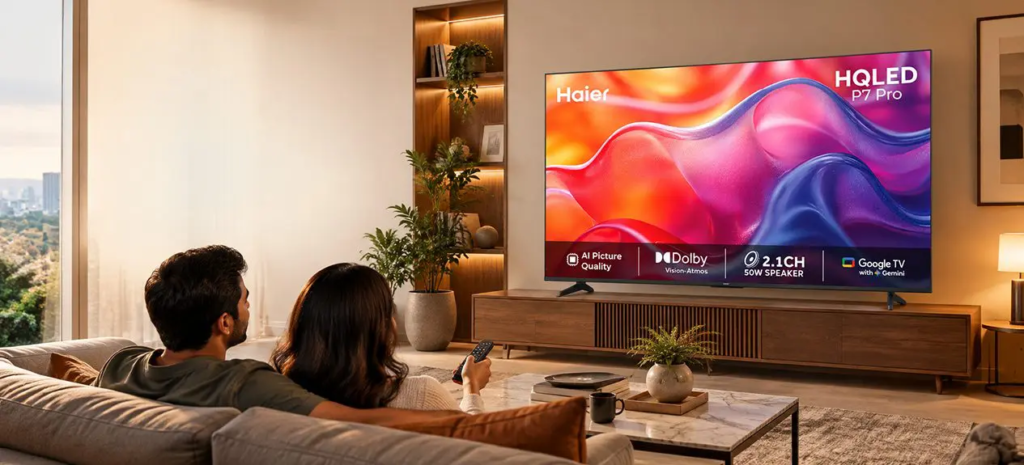
If you mainly watch streaming content, reliable Wi-Fi and sufficient HDMI ports for your other devices may be more important than advanced gaming specifications.
7. Compare Energy Efficiency, Warranty, and Price
Before buying, compare prices across reputable retailers and check the manufacturer’s warranty, service availability, and return policy.
Look at energy consumption if the television will be used for several hours daily. Also consider installation costs, wall mounts, and any accessories you may need.
Reading recent customer reviews can help you understand real-world performance, software reliability, and after-sales service.
Final Thoughts
Choosing the right smart TV involves balancing screen size, resolution, display quality, software, audio, and connectivity. Start by identifying how you plan to use your television, then compare models that fit your room and budget.
A well-chosen smart TV can provide years of enjoyable entertainment without requiring you to pay for features you rarely use. By researching carefully and comparing the complete package, you can make a confident purchase that suits your home and viewing habits.










Related Posts


Stay Informed With the Latest & Most Important News
Previous Post
Next Post









-
 01You’re Never Too Old to Learn: Why Learning Matters at Every Age
-
 02Where to Stay in Helsinki: Best Areas & Hotels for Every Type of Traveler
-
 03How to Create a Cozy Bedroom Atmosphere
-
 04How AARP Helps Older Adults Navigate Everyday Life With Valuable Resources and Support
-
 05How Swimply Makes Private Pool Rentals More Convenient and Flexible
-
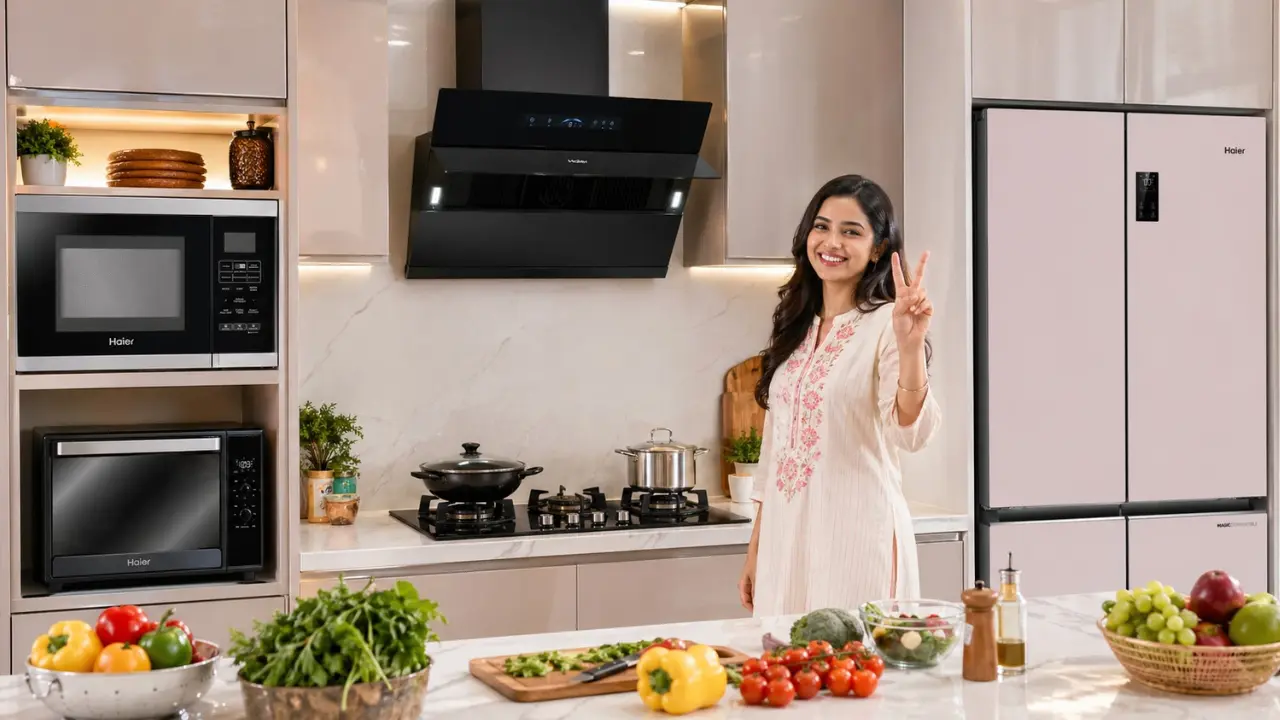
 06Essential Kitchen Appliances Every Home Cook Should Have
-
 07Private Airport Transfers vs Taxis: What Should You Choose?