

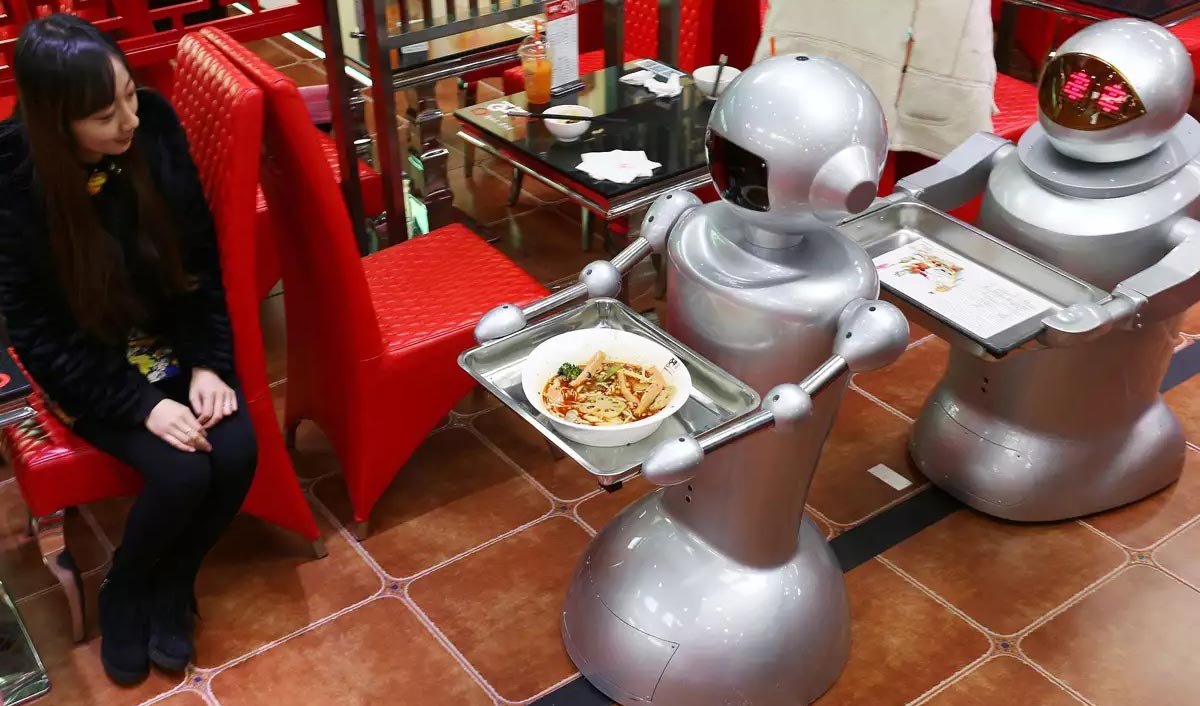
Technology is rapidly transforming many industries, and the restaurant sector is no exception. One of the most exciting innovations in modern dining is the introduction of robots in restaurants. From preparing food to serving customers, robots are becoming an important part of the hospitality industry. These technological assistants are helping restaurants improve efficiency, reduce labor costs, and create unique dining experiences for customers.
The Rise of Automation in Restaurants
The use of robots in restaurants has grown significantly in recent years. With advancements in artificial intelligence, robotics, and automation, restaurants are exploring new ways to integrate technology into their operations. Robots are now capable of performing several tasks that were traditionally handled by human staff.
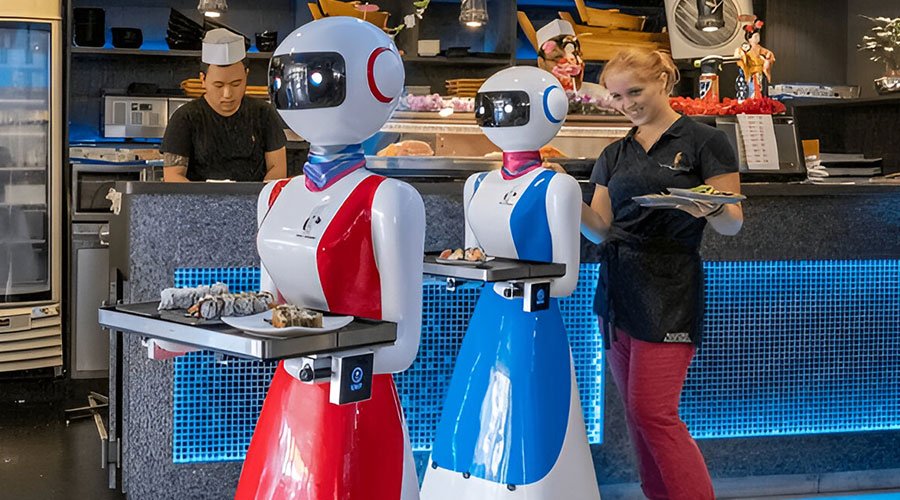
In some restaurants, robots greet customers, take orders, prepare meals, and deliver food directly to tables. This innovation is particularly popular in technologically advanced countries such as Japan, South Korea, and the United States, where restaurants are experimenting with automation to improve service and attract customers.
How Robots Are Used in Restaurants
Robots in restaurants can perform a variety of tasks. One of the most common uses is food delivery within the restaurant. These robots move along designated paths, carrying trays of food from the kitchen to the dining tables. They are equipped with sensors that help them avoid obstacles and navigate safely around customers.
Another common use is robotic cooking. Some restaurants use robotic arms to prepare dishes such as burgers, pizzas, or noodles. These machines can cook food with high precision and consistency, ensuring that every dish tastes the same.
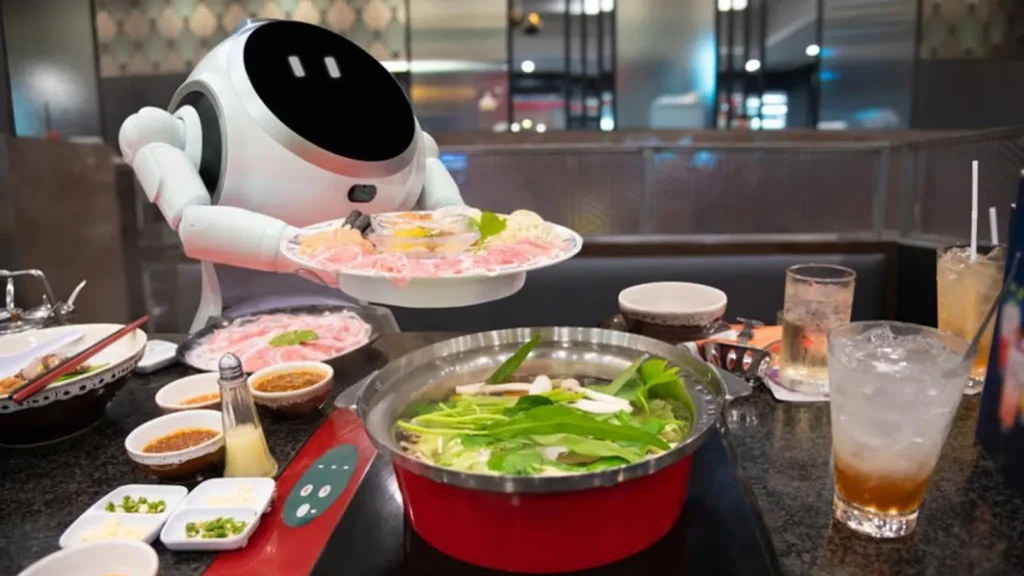
Robots are also being used at ordering stations. Customers can place orders through automated systems or robotic kiosks that provide menu suggestions and payment options. This speeds up the ordering process and reduces waiting times.
Benefits of Robots in Restaurants
One of the biggest advantages of using robots in restaurants is increased efficiency. Robots can work continuously without breaks, helping restaurants manage busy hours more effectively. This allows human staff to focus on tasks that require creativity, communication, and customer interaction.
Another benefit is improved accuracy. Robots follow programmed instructions, which reduces the chances of mistakes in food preparation or order delivery. This consistency helps restaurants maintain high-quality standards.
Robots can also help address labor shortages in the hospitality industry. Many restaurants struggle to find enough workers, especially during peak seasons. Automation provides a solution by supporting staff and handling repetitive tasks.
Additionally, robots create a unique dining experience. Many customers enjoy visiting restaurants that use robotic technology because it feels futuristic and entertaining. This novelty can attract more visitors and increase a restaurant’s popularity.
Challenges and Concerns
Despite the advantages, the use of robots in restaurants also raises some concerns. One common concern is the potential impact on employment. Some people worry that automation may replace human workers in the hospitality industry.
However, many experts believe that robots are more likely to assist rather than replace workers. While robots can handle repetitive tasks, human employees are still essential for providing hospitality, managing operations, and interacting with customers.
Another challenge is the high cost of installing robotic systems. Advanced robots and automated equipment require significant investment, which may be difficult for small restaurants to afford.
The Future of Robotic Dining
As technology continues to improve, robots are expected to play a bigger role in the restaurant industry. Future robots may become even more intelligent and capable of performing complex tasks such as preparing entire meals, managing inventory, and interacting with customers through voice recognition.
Some restaurants are already experimenting with fully automated kitchens where robots handle most of the cooking process. These innovations could make restaurant operations faster, more efficient, and more consistent.
Conclusion
Robots in restaurants represent an exciting step toward the future of dining. By combining technology with hospitality, restaurants can improve efficiency, reduce operational challenges, and offer unique experiences to customers.
Although automation may change the way restaurants operate, human creativity, service, and interaction will always remain essential. The future of the restaurant industry will likely involve a balance between advanced robotics and the warmth of human hospitality, creating a dining experience that is both innovative and enjoyable.










Stay Informed With the Latest & Most Important News
Previous Post
Next Post












-
 01Dressing for the Life You Actually Live: Building a Better Everyday Wardrobe
 -
 02Stand or Sit? Standing Desk vs. Traditional Desk: Which One Is Better for Remote Work?
 -
 03Find the Best Hotel Deals on Booking.com: A Complete Guide
 -
 04How to Book Cheap Train Tickets in Europe: Money-Saving Tips for Travelers
 -
 05Sonder vs Vacasa: Why Vacation Rentals Are Replacing Traditional Hotel Stays
 -
 06Best Beach Destinations Around the World
 -
 07DIY Home Remedies: Natural Solutions for Everyday Health and Wellness