
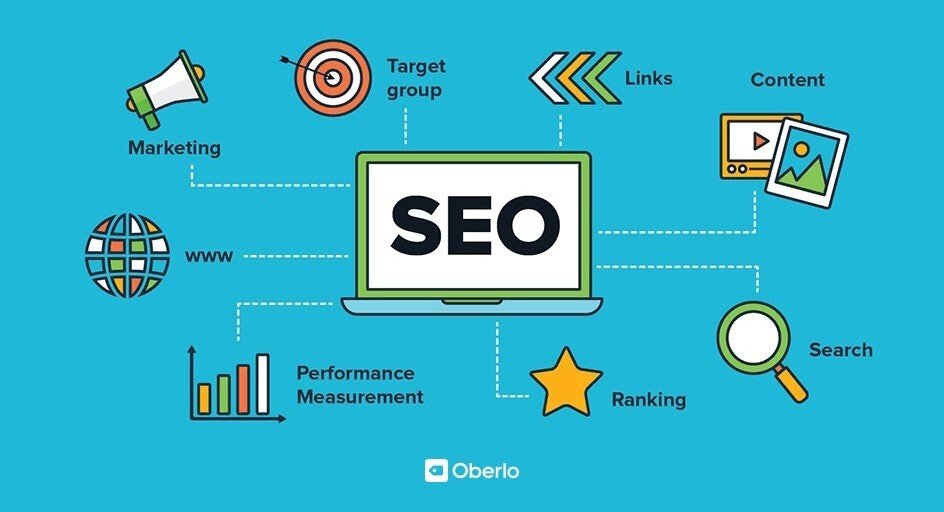
In today’s competitive digital landscape, attracting website traffic is no longer enough. Businesses must focus on bringing in conversion-ready users—people who are actively searching for solutions and are more likely to sign up, purchase, or take action. One of the most effective ways to reach such audiences is through SEO-driven content and comparison guides.
Search engine optimization (SEO) helps businesses connect with users who are already searching for specific products, services, or tools. When combined with informative content and well-structured comparisons, SEO becomes a powerful strategy for driving qualified traffic that converts.
Understanding Conversion-Ready Users
Conversion-ready users are visitors who are close to making a decision. Unlike casual browsers, these users are actively evaluating options and looking for the best solution to meet their needs.
For example, someone searching for phrases like “best website builder for small businesses” or “top email marketing tools comparison” is likely preparing to choose a product. These searches indicate strong intent, making them valuable opportunities for businesses.
SEO content targets these users by providing detailed answers, recommendations, and guidance that help them make informed decisions.
The Power of SEO Content
SEO content focuses on creating valuable information that matches what users are searching for online. This includes blog articles, tutorials, product reviews, and guides optimized with relevant keywords.

When a piece of content answers a user’s question clearly and thoroughly, search engines are more likely to rank it higher in search results. Higher rankings mean greater visibility and more organic traffic.
For example, a blog post explaining how to build a website, start an online store, or choose the right marketing platform can attract thousands of readers who are interested in those topics.
By addressing real user needs, SEO content builds trust and positions a brand as a reliable source of information.
Why Comparison Guides Work So Well
Comparison guides are among the most effective types of SEO content because they help users evaluate multiple options side by side. When people are close to making a decision, they often search for comparisons between different tools or services.
A comparison guide might include sections such as:
- Key features of each product
- Pricing structures
- Pros and cons
- Best use cases
- Performance and reliability
By presenting this information clearly, comparison guides simplify the decision-making process for users. Instead of researching multiple websites, visitors can find everything they need in one place.
This convenience makes them more likely to trust the source and follow its recommendations.
Building Trust Through Honest Reviews
Transparency plays an important role in converting visitors into customers. When writing comparison guides or product reviews, it is important to present both advantages and limitations.

Honest reviews help build credibility. Readers appreciate content that genuinely helps them choose the best option rather than pushing a single product aggressively.
Including real-world examples, user feedback, and practical insights can further strengthen trust.
When users feel confident in the information they are reading, they are more likely to take the next step—whether it is signing up for a service or exploring a recommended platform.
Structuring Content for Better Conversions
Well-structured content improves both readability and conversion potential. Effective SEO articles typically include clear headings, organized sections, and concise explanations.
Calls-to-action (CTAs) are also important. After providing valuable insights, the content should guide users toward the next step, such as exploring a product, starting a free trial, or learning more about a service.
Visual elements like tables or feature comparisons can also help readers quickly understand key differences between options.
The easier it is for users to evaluate information, the more likely they are to convert.
Long-Term Benefits of SEO Strategy
One of the biggest advantages of SEO content is its long-term value. Unlike paid advertising, which stops generating traffic once the campaign ends, well-optimized content can continue attracting visitors for months or even years.
A single high-quality comparison guide can become a steady source of conversion-ready traffic if it ranks well in search engines.
Over time, a library of SEO articles can establish a brand as an authority within its industry.
Conclusion
Driving conversion-ready users requires more than simply increasing website traffic. Businesses must attract visitors who are actively searching for solutions and are ready to make decisions.
SEO content and comparison guides provide an effective way to reach these audiences. By answering user questions, offering transparent insights, and presenting clear comparisons, businesses can build trust and guide readers toward meaningful actions.
In a digital marketplace where informed decisions matter, well-crafted SEO content becomes one of the most powerful tools for generating high-quality leads and sustainable growth.










Related Posts


Stay Informed With the Latest & Most Important News
Previous Post
Next Post











-
 01Expedia Review 2026: Is Expedia the Best Travel Booking Platform?
 -
 02Best Beach Destinations Around the World
 -
 03Dangerous Destinations: Where You Might Want to Rethink Travel Plans in 2026
 -
 04Simple Ways to Reduce Stress in Daily Life
 -
 05Traditional Dishes Every Food Lover Should Experience
 -
 06Budget-Friendly Phone Plans That Keep You Connected Without the High Cost
 -
 07Partnership Opportunity – High-Intent Website Builder Traffic