
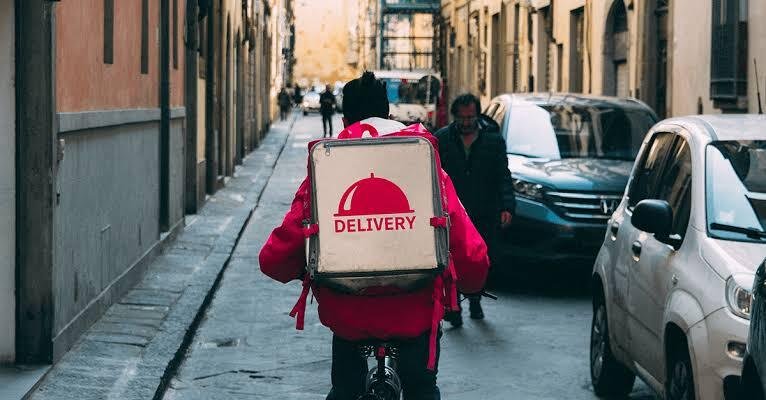
If you feel like you’re managing more monthly memberships than ever before, you aren’t alone. In 2026, the subscription economy has officially crossed the $3 trillion mark, and the most aggressive growth isn’t coming from streaming movies—it’s coming from the items showing up at your front door.
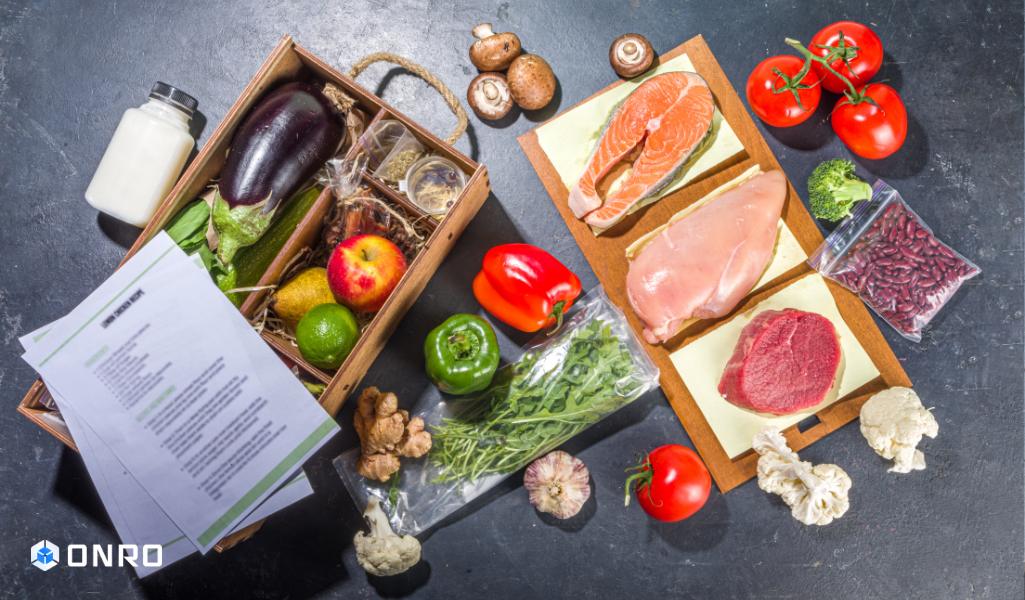
From groceries and gourmet coffee to pet supplies and high-end fashion, the “set it and forget it” model has become the preferred way to shop for a majority of consumers. But why is this happening now? The rapid acceleration of subscription-based delivery this year is driven by three major forces: hyper-personalization, the “access over ownership” mindset, and a fundamental shift in how we value our time.
1. AI-Driven Hyper-Personalization
In 2026, subscription boxes have moved past the “mystery grab bag” era. Thanks to advanced AI, services now offer predictive fulfillment.
- Dynamic Onboarding: Modern platforms use real-time data to adapt your deliveries. If your fitness tracker shows you’ve increased your activity level, your supplement subscription might automatically adjust your next shipment to include more recovery-focused nutrients.
- The “Build-a-Box” Standard: One-size-fits-all is dead. Today’s leading services allow subscribers to swap scents, flavors, or products right up until the shipping deadline, ensuring that 100% of the box is useful.
2. The Shift from Ownership to “Usership”
Gen Z and Millennials are driving a massive shift toward access over ownership. In 2026, we are seeing this apply to durable goods like never before.
- High-Value Access: Families who might not want to drop $1,200 on a premium stroller are now opting for monthly subscriptions that provide the gear for a fraction of the cost, with the ability to return or upgrade it as the child grows.
- Embedded Peace of Mind: Subscription delivery often bundles in maintenance and insurance. When you subscribe to a high-end e-bike or coffee machine, the “hidden costs” of ownership—like repairs or filter replacements—are absorbed into the monthly fee, removing “ownership anxiety.”
3. The “Add-On” Economy and Consolidation
Consumers in 2026 are experiencing “subscription fatigue,” leading to a trend of consolidation. Instead of having twelve different niche subscriptions, shoppers are gravitating toward “super-apps” and bundled services.
- Frictionless Expansion: Platforms are increasingly using an “Add-On” model. If you already have a monthly grocery delivery, your provider might allow you to toss in one-time boutique items—like a specific bottle of wine or a new skincare product—without paying for an extra shipping label.
- Loyalty Incentives: By bundling multiple categories (Food, Pet, and Personal Care) into one subscription tier, brands are seeing their highest retention rates ever recorded.
4. Sustainability as a Requirement
Environmental impact has moved from a “nice-to-have” to a deal-breaker in 2026. Subscription services have a unique advantage here: logistical efficiency.
- Right-Sizing: Because subscription brands know exactly what they are shipping and when, they can “right-size” their packaging, effectively ending the era of “shipping air” in oversized boxes.
- Circular Systems: Many 2026 delivery leaders now operate on a circular model, where the delivery driver picks up empty, reusable containers or packaging from the previous month to be sanitized and reused.
Final Thoughts: The New Utility
Subscription-based delivery is no longer just about the “joy of unboxing.” In 2026, it has become a vital utility that helps households manage their budgets and their schedules. By trading a predictable monthly fee for guaranteed availability and personalized service, consumers are buying back their most precious commodity: time. Whether it’s ensuring the dog never runs out of food or having a fresh wardrobe rotate through your closet, the subscription loop is here to stay.










Related Posts
Stay Informed With the Latest & Most Important News
Previous Post
Next Post










-
 01The Art of Romanticizing Your Everyday Life: Finding Joy in the Ordinary
 -
 02Stand or Sit? Standing Desk vs. Traditional Desk: Which One Is Better for Remote Work?
 -
 03Common Language Learning Mistakes and How to Avoid Them
 -
 04Comment créer un espace de vie extérieur parfait
 -
 05Vrbo vs Airbnb: Which Vacation Rental Platform Should You Choose?
 -
 06Why Eurostar Is Still the Best Way to Travel from London to Paris
 -
 07Online Clothing Shopping: Convenience, Choice, and the Future of Fashion