

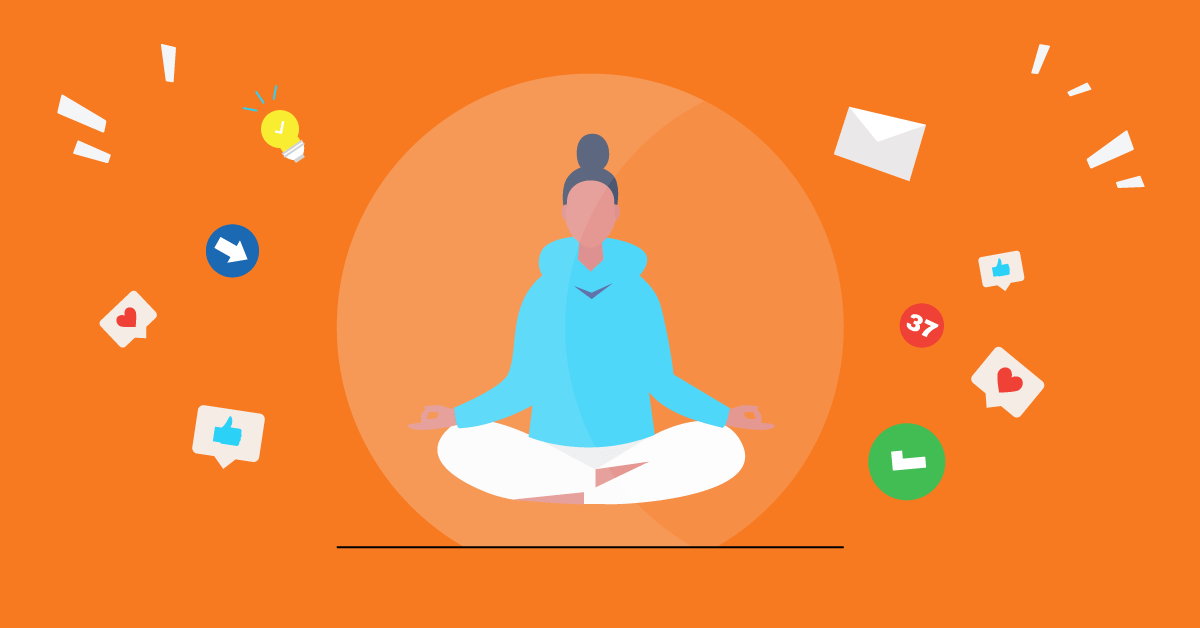
In today’s modern world, technology plays an essential role in our daily lives. Smartphones, laptops, tablets, and social media platforms keep us connected, informed, and entertained. While digital devices bring many benefits, excessive screen time can negatively impact our mental and physical well-being. This is where the concept of a digital detox becomes important.
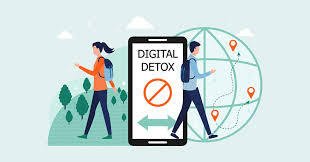
A digital detox refers to taking a break from electronic devices and reducing the amount of time spent on screens. It allows individuals to disconnect from constant notifications, social media updates, and online distractions, helping them focus more on real-life experiences and personal well-being.
The Growing Dependence on Digital Devices
Over the past decade, digital technology has become deeply integrated into everyday life. People use smartphones for communication, work, entertainment, shopping, and even relaxation. Social media platforms constantly provide new content, making it easy for users to spend hours scrolling without realizing how much time has passed.
While technology makes life more convenient, excessive use can lead to unhealthy habits. Many people check their phones frequently throughout the day, even during meals, conversations, or before going to sleep. This constant connection to the digital world can lead to mental fatigue and reduced productivity.
Impact on Mental Health
One of the biggest reasons why a digital detox is important is its impact on mental health. Spending too much time online can increase stress, anxiety, and feelings of comparison. Social media often presents idealized versions of people’s lives, which can make others feel dissatisfied with their own circumstances.
Constant notifications and messages can also create pressure to respond immediately, making it difficult for individuals to relax or focus on the present moment. Over time, this can lead to mental exhaustion and reduced emotional well-being.
Taking regular breaks from digital devices can help calm the mind and reduce these negative effects.
Effects on Physical Health
Excessive screen time does not only affect mental health—it can also impact physical health. Spending long hours looking at screens can cause eye strain, headaches, and poor posture. Many people also experience sleep disturbances due to late-night device usage.
The blue light emitted by screens can interfere with the body’s natural sleep cycle, making it harder to fall asleep. Lack of proper sleep can lead to fatigue, irritability, and reduced concentration during the day.
Reducing screen time, especially before bedtime, can improve sleep quality and support overall physical health.
Improving Productivity and Focus
Digital distractions can significantly reduce productivity. Frequent notifications, social media browsing, and online entertainment can interrupt work and decrease concentration. Even short interruptions can break focus and make it difficult to complete tasks efficiently.
A digital detox allows individuals to focus on important activities without constant distractions. By setting specific times to check emails or social media, people can manage their time better and complete tasks more effectively.
This improved focus often leads to better work performance and a greater sense of accomplishment.
Strengthening Real-Life Connections
Another important benefit of a digital detox is the opportunity to strengthen real-life relationships. When people spend too much time on their devices, they may unintentionally ignore the people around them.
Taking a break from screens allows individuals to engage in meaningful conversations, spend quality time with family and friends, and participate in social activities. These personal connections contribute greatly to happiness and emotional well-being.
Simple Ways to Practice a Digital Detox
Practicing a digital detox does not necessarily mean giving up technology completely. Instead, it involves creating healthier boundaries with digital devices.
Some simple strategies include turning off unnecessary notifications, limiting social media usage, setting screen-free hours during the day, and avoiding devices before bedtime. Spending time outdoors, reading books, exercising, or pursuing hobbies can also help replace excessive screen time.

Even small changes in digital habits can lead to significant improvements in well-being.
Conclusion
Technology is an important part of modern life, but maintaining a balance between the digital world and real life is essential. A digital detox helps individuals reduce stress, improve focus, strengthen relationships, and support both mental and physical health.
By becoming more mindful of how much time we spend on digital devices, we can create healthier habits and enjoy a more balanced lifestyle. Taking occasional breaks from technology allows us to reconnect with ourselves, the people around us, and the world beyond the screen.










Related Posts



Stay Informed With the Latest & Most Important News
Previous Post
Next Post
Previous Post
Next Post











-
 01The Art of Romanticizing Your Everyday Life: Finding Joy in the Ordinary
 -
 02The Growing Importance of Online Payment Infrastructure in 2026
 -
 03Private Airport Transfers vs Taxis: What Should You Choose?
 -
 04How to Plan a Memorable Seaside Weekend With Your Family
 -
 05Best Hotel Booking Tips to Get the Lowest Prices Every Time
 -
 06Top Flight Booking Hacks Every Traveler Should Know in 2026
 -
 07Top Tips to Stay Motivated and Avoid Burnout While Working Remotely