Best AI 3D Model Generators in 2026: Top Tools for Creating 3D Assets from Text and Images

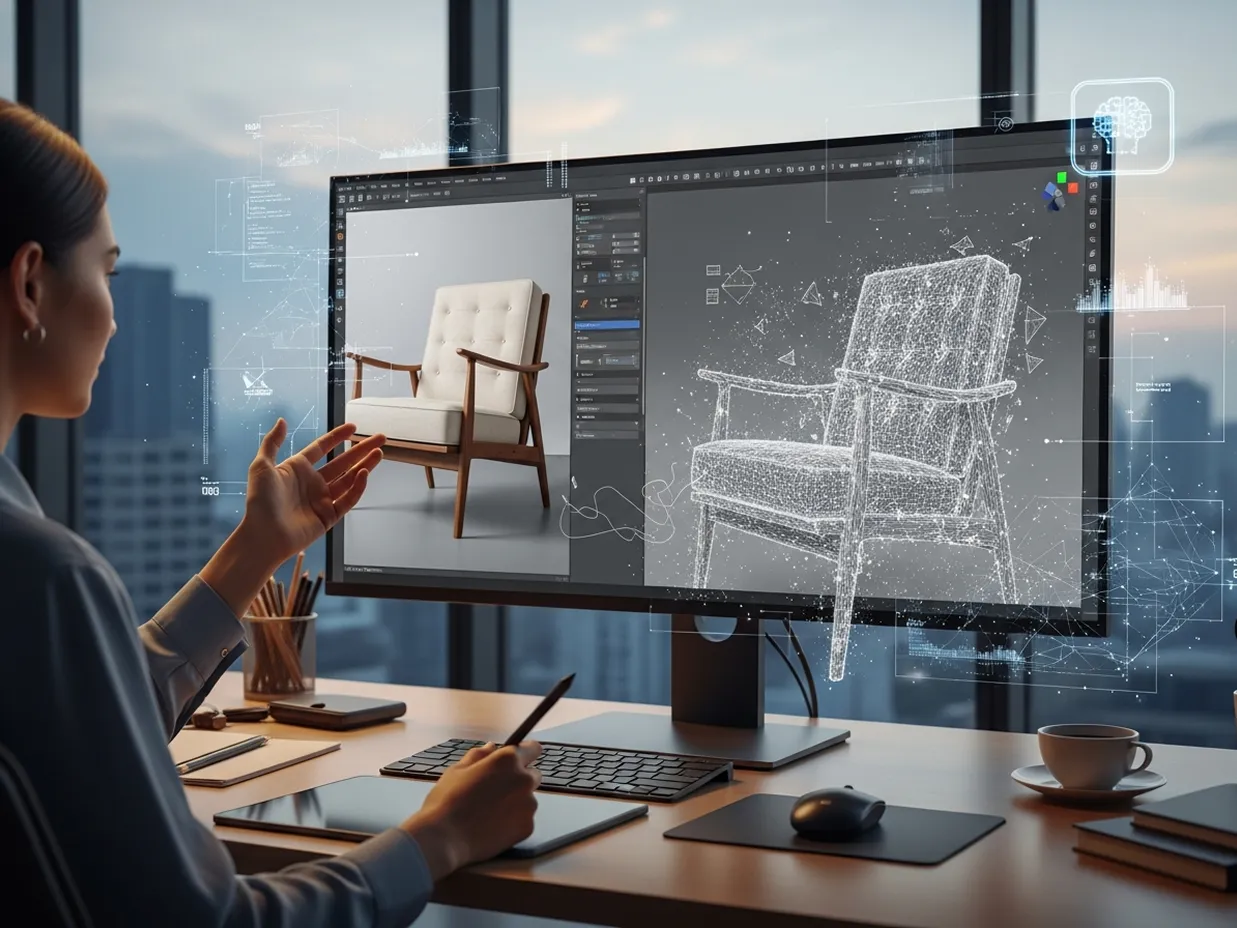
Creating 3D assets once required specialised software, technical expertise, and hours of manual modelling. Today, AI-powered 3D model generators are making the process more accessible by transforming text descriptions and reference images into three-dimensional objects. Whether you are a game developer, digital artist, product designer, or beginner exploring 3D creativity, these tools can help turn ideas into visual assets more efficiently.
In 2026, several platforms stand out for their generation capabilities, editing features, and support for different creative workflows.
1. Meshy AI: A Versatile Tool for 3D Creation
Meshy AI is a useful option for creators who want to generate 3D models from text prompts or images. Users can describe an object, upload a reference image, and generate a model that can be refined for different projects.
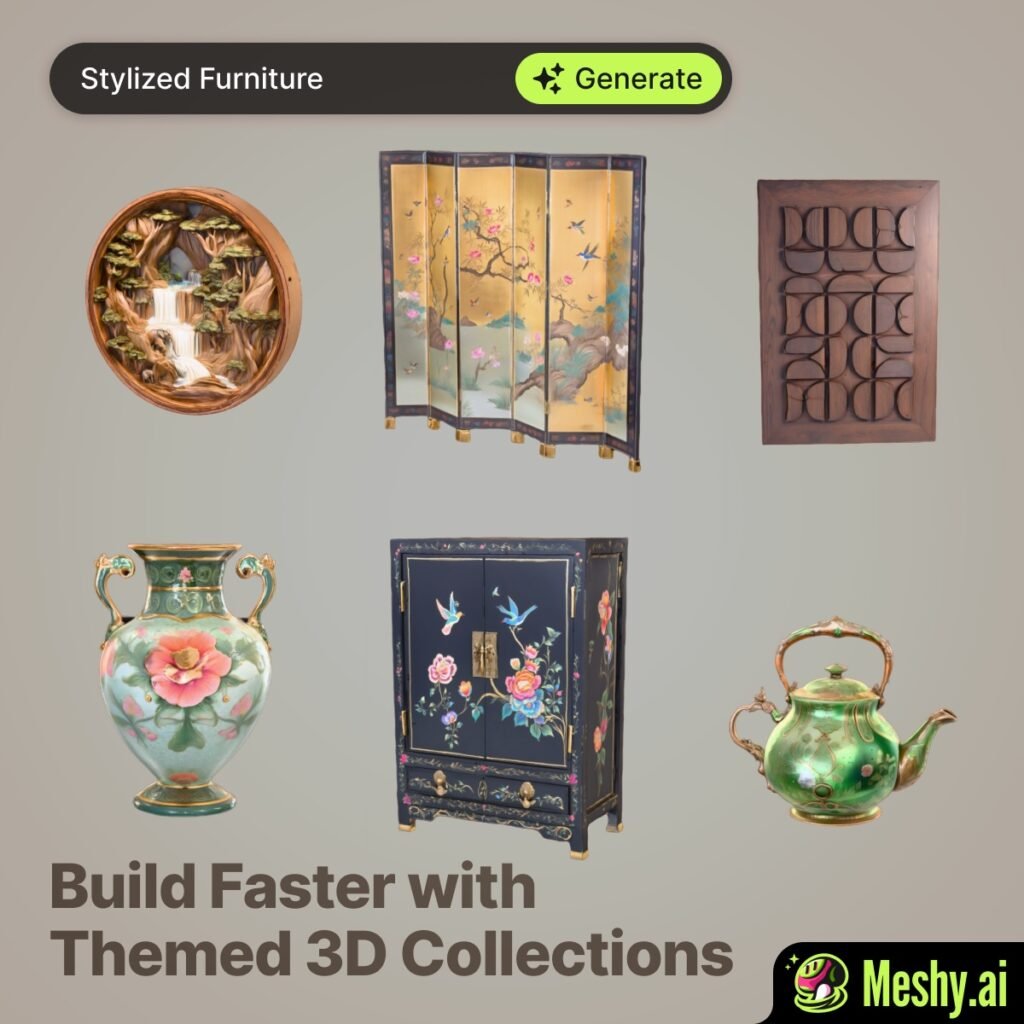
The platform also offers features for texturing and preparing assets for creative workflows. It can be useful for game developers, digital artists, and designers who want to produce props, characters, or concept models without building everything manually.
Explore the Meshy AI platform to learn more about its current features and plans.
2. Tripo AI: Fast Text-to-3D and Image-to-3D Generation
Tripo AI is another option for people who want to turn concepts into 3D assets quickly. It supports text-based and image-based generation, making it suitable for exploring multiple designs from a written description or visual reference.
Its workflow can help creators experiment with different shapes, styles, and object concepts before refining their preferred results. Depending on the available features, users can also explore tools for simplifying models and preparing them for further editing.
Tripo is worth considering for independent creators and designers who value speed and creative experimentation.
3. Hyper3D Rodin: Detailed 3D Models
Hyper3D Rodin focuses on generating detailed 3D assets from visual references and prompts. It can be useful when creators want to explore more realistic objects, textured models, or visually complex concepts.
The resulting assets may still require adjustments to geometry, materials, or topology before they are ready for professional production. Nevertheless, the platform offers an interesting starting point for artists working on digital environments, product concepts, and character designs.
4. Tencent Hunyuan3D: An Option for Developers
Tencent Hunyuan3D is worth exploring for developers and technically confident users interested in AI-assisted 3D generation. Its open-model ecosystem offers opportunities to experiment with image-to-3D workflows and integrate generation capabilities into broader projects.
Depending on the implementation, users may need suitable hardware, technical setup, and additional software to run or refine models. This makes it particularly relevant to developers who want greater control over their workflows.
5. 3D AI Studio: Multiple Tools in One Workflow
3D AI Studio brings different AI-powered creation capabilities together in a browser-based environment. It is designed to help users explore text-to-3D and image-to-3D generation alongside additional asset-processing features.
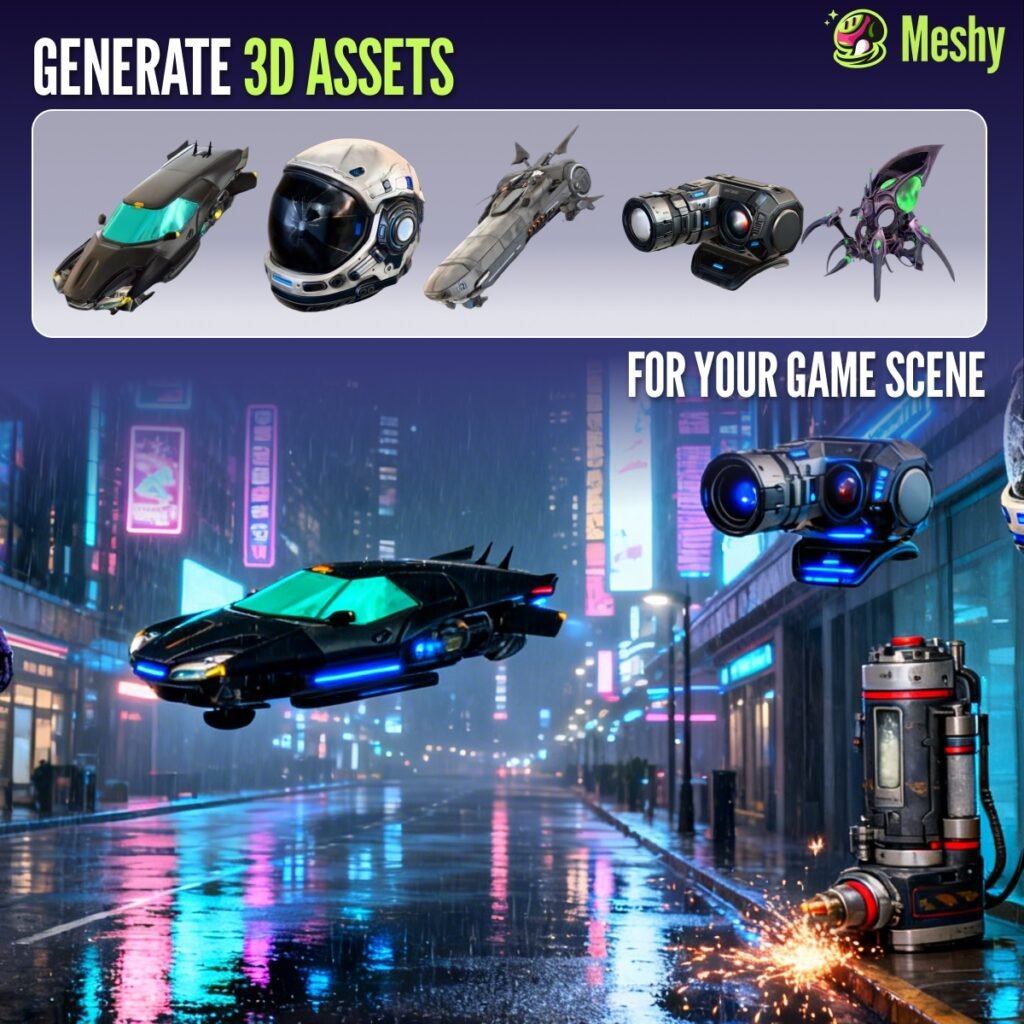
This type of workflow can be useful for beginners who want to experiment without immediately committing to complex modelling software. It may also suit professionals who want to compare generation approaches during the early stages of a project.
How to Choose the Right AI 3D Generator
The best tool depends on what you plan to create. Before choosing a platform, consider the following factors:
- Input options: Check whether the tool supports text prompts, single images, or multiple reference images.
- Model quality: Review the detail, shape accuracy, and texture quality of its generated assets.
- Export formats: Confirm compatibility with software such as Blender, Unity, or Unreal Engine.
- Editing features: Look for useful options such as retopology, texturing, rigging, and mesh repair.
- Pricing and usage rights: Compare free credits, subscription costs, export restrictions, and commercial licensing terms.
Remember that a model that looks impressive in a preview may still need manual cleanup before it can be used in a game or sent to a 3D printer.
Final Thoughts
AI 3D model generators are creating new opportunities for artists, developers, and businesses by simplifying the early stages of 3D production. Meshy AI, Tripo AI, Hyper3D Rodin, Tencent Hunyuan3D, and 3D AI Studio each offer different approaches to turning text and images into three-dimensional assets.
The right choice depends on your budget, technical experience, and intended project. Experiment with available tools, inspect their output carefully, and choose a platform that fits your creative workflow.










Related Posts


Stay Informed With the Latest & Most Important News
Previous Post
Next Post










-
 01Global Markets Rebound as Inflation Worries Ease for Investors
-
 02New Study Reveals Simple Lifestyle Changes Linked to Longer Life
-
 03How Learning New Skills Can Change Your Life
-
 04Plum Guide vs Blueground: The Rise of Premium Vacation Rentals for Modern Travelers
-
 0510 Stylish Outfit Ideas to Try with Boden This Season
-
 06Use OpenArt AI to Visualise Your Next DIY Project
-
 07What to Wear to a Summer Wedding: A Complete Guest Style Guide