
Lean, Mean, and Digital: Office Essentials and Productivity Guides for Small Businesses


Running a small business has never been about having the largest headcount or the most sprawling corporate headquarters. It is about agility. As lean operations navigate changing economic landscapes, the defining challenge is bridging the productivity gap between small teams and massive competitors.
A highly efficient modern office isn’t built by purchasing bulk corporate furniture or over-complicating workflows with dozens of single-use software subscriptions. Instead, small business growth is unlocked through a highly intentional mix of hyper-focused physical tools and streamlined automation. Here is the operational blueprint for future-proofing your business.
1. Hardware Essentials for High-Velocity Teams

Every piece of physical infrastructure in a small office must serve a strategic operational purpose. When space and budgets are tightly managed, equipment must earn its footprint by directly preventing physical fatigue or reducing operational friction.
- Multi-Port USB-C Hubs & Docking Ecosystems: In a modern hybrid or agile office, employees routinely move between collaborative meeting rooms and independent desks. Equipping workspaces with unified USB-C docking stations ensures a single cable instantly connects a laptop to dual displays, wired ethernet, and power—eliminating daily setup delays.
- Ergonomic Articulation and Posture Anchors: Employee absenteeism due to repetitive strain or back fatigue directly strikes small business momentum. Investing in high-quality monitor arms to align screens exactly at eye level, paired with vertical ergonomic mice, preserves long-term team health and keeps energy levels high through late-afternoon tasks.
- The Shared Command Center: Despite massive shifts toward digital documentation, physical visual planning remains an unmatched tool for team alignment. A premium, mobile glass whiteboard in the central office allows teams to map out product launches, connect strategic goals, and build quick consensus without sending a single internal email.
2. Digital Infrastructure: Moving from Experiment to Automator
In the administrative backend, small business software should actively replace manual tracking. Small businesses are increasingly shifting away from basic digital tools and adopting autonomous systems to handle time-consuming operational tasks.
- Unified Client and Ledger Architecture: Tools like QuickBooks, Xero, or HubSpot shouldn’t just record past transactions; they should be leveraged to automate the collection process. Setting up automated invoice reminders and integrated, direct-click payment gateways ensures cash flow remains highly predictable without forcing staff to manually chase clients.
- Intelligent Workforce and Shift Coordination: Administrative tasks like managing employee schedules, approving time-off requests, and processing payroll can quickly overwhelm business owners. Utilizing centralized management platforms like Homebase or Deputy coordinates team availability automatically, reducing human error and freeing up critical hours for core revenue generation.
3. The Guardrails: Prioritizing Small Business Cybersecurity
As small operations transition to hyper-efficient, cloud-based tools, they inadvertently expand their vulnerability footprint. Security is no longer an afterthought for IT departments—it is a foundational pillar of business continuity.

A single targeted ransomware attack or a successful phishing scam can completely stall a growing company’s momentum. Safeguarding your operational data requires a strict, non-negotiable approach to technical defense. Implement a comprehensive corporate firewall to shield incoming and outgoing network traffic, force the use of encrypted virtual private networks (VPNs) for remote team members accessing central databases, and activate automated data breach monitoring. Knowing instantly if a corporate password has been compromised on the web allows you to secure the account before an intrusion occurs.
Final Thoughts: Start Small, Automate Decisively
Productivity is built on a series of small, consistent operational victories. Rather than attempting a sweeping, overwhelming transformation of your entire office culture overnight, identify a single prominent bottleneck in your daily routine. Clean out the physical desk clutter, implement an under-desk cable organizer, transition a repetitive client follow-up script to an automated trigger, and lock down your digital perimeter. By building a frictionless, highly secure work environment, you empower your lean team to execute faster, compete smarter, and scale with absolute confidence.










Related Posts


Stay Informed With the Latest & Most Important News
Previous Post
Next Post












-
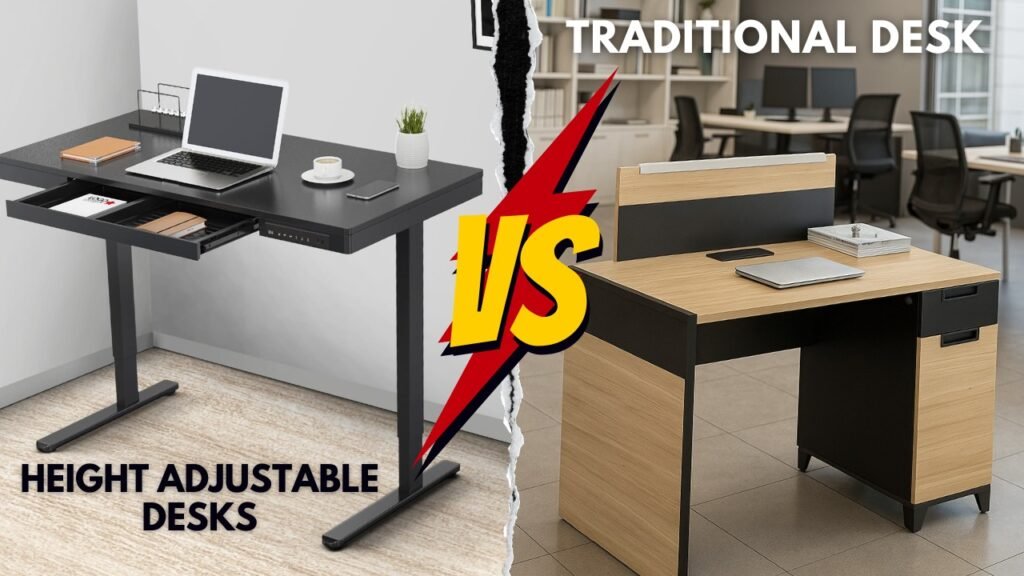
 01Stand or Sit? Standing Desk vs. Traditional Desk: Which One Is Better for Remote Work?
 -
 02Hostinger: A Simple Way to Build and Grow Your Online Presence
 -
 03The Growing Importance of Online Payment Infrastructure in 2026
 -
 04Track Sleep, Recovery, and Daily Activity With Next-Gen Wearable Technology
 -
 05Guide d’achat complet : Outils et équipements essentiels pour la rénovation de la maison
 -
 06The Multizonal Workspace: Designing the Ultimate Home Office Setup
 -
 07Gravel vs Crushed Stone: Which Is Best for Your Project?