
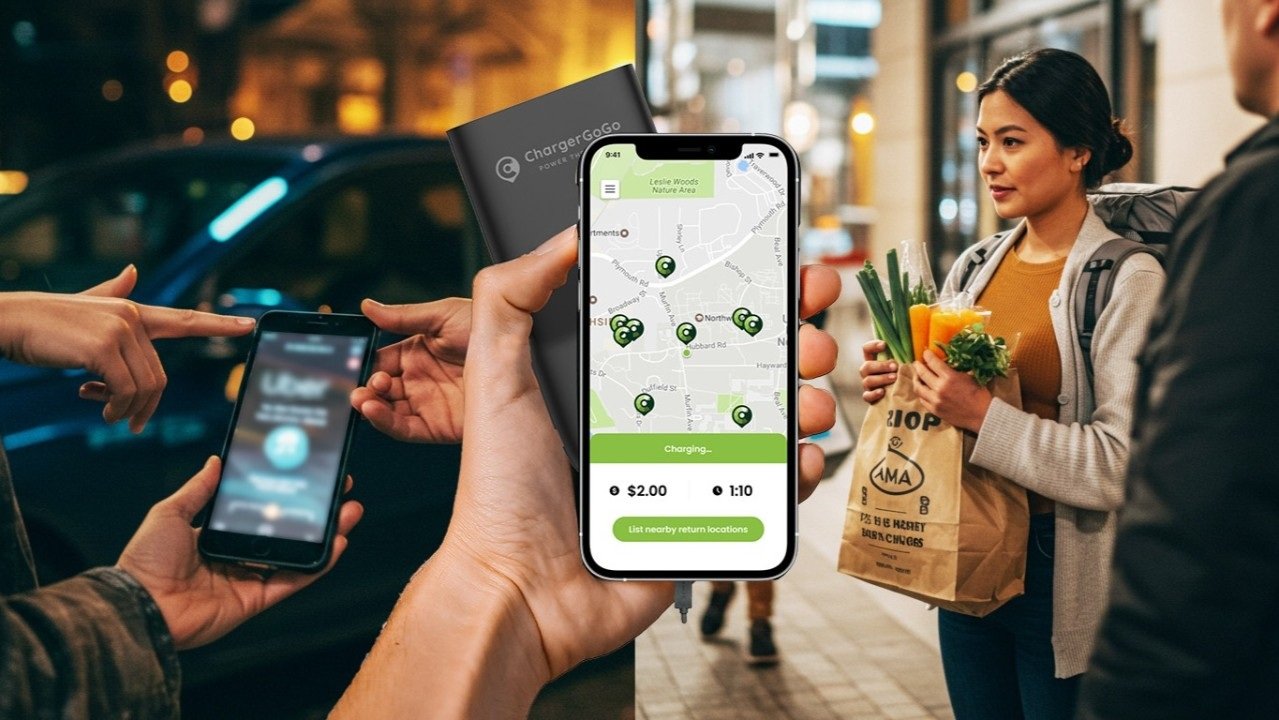
In 2026, the term “convenience” has undergone a radical transformation. What was once defined by 24-hour grocery stores and two-day shipping has evolved into a state of hyper-convenience—a world where the gap between a consumer’s desire and the fulfillment of that desire has shrunk to nearly zero.
The on-demand economy is no longer a luxury for the urban elite; it is the baseline expectation for the global “omniconsumer.” From predictive retail to instant home services, here is how the rise of on-demand convenience is rewriting the rules of consumer behavior.
1. The Death of Decision Latency
One of the most significant shifts in 2026 is the reduction of “decision latency.” In a world of infinite choice, consumers are increasingly gravitating toward brands that simplify their lives.
- Predictive Fulfillment: We are moving from reactive shopping to anticipatory commerce. AI-driven systems now analyze search signals, weather patterns, and past consumption to predict what a user needs before they even realize they are out of it.
- Curated Everything: Whether it’s a subscription for “human-grade” pet food or a personalized capsule wardrobe, consumers are outsourcing the cognitive load of decision-making to algorithms they trust.
2. The “Right Now” Economy
The global on-demand services market is projected to reach staggering heights this year, driven by a population that values time above almost all other currencies.
- Hyper-Local Logistics: Micro-fulfillment centers tucked into suburban neighborhoods have made “instant delivery” (under 30 minutes) the standard for everything from electronics to over-the-counter medicine.
- The Gig-Service Integration: It’s not just about products. On-demand convenience has matured in the service sector. Whether it’s a mobile car detailer, a home-visit veterinarian, or a professional organizer, the “Uber-fication” of skilled labor means help is always just a few taps away.
3. The Rise of the “Omniconsumer”
In 2026, we no longer talk about “online” vs. “offline” shopping. There is only the omniconsumer.
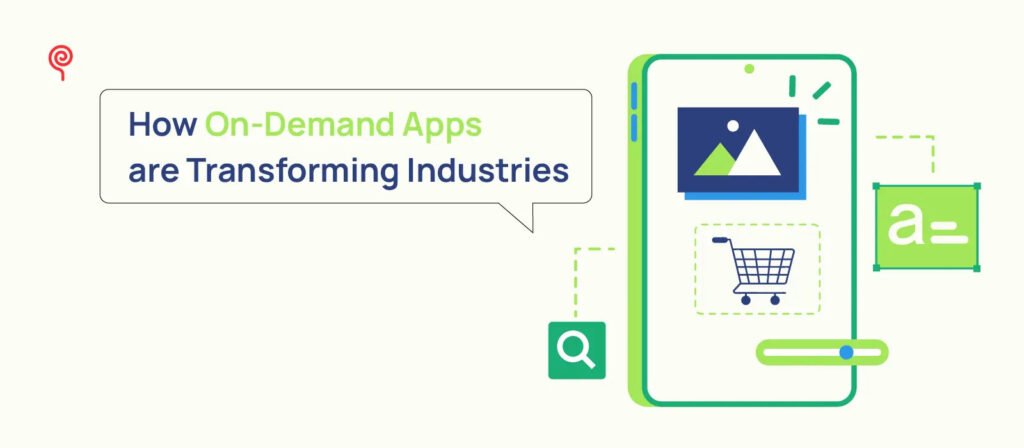
- Frictionless Transitions: A consumer may start a purchase via a voice assistant while cooking, “webroom” the product details on their phone, and then choose to have it delivered to a smart locker at their local gym within the hour.
- Social Commerce: Platforms like TikTok and immersive VR marketplaces have turned “discovery” into “purchase” instantly. When a trusted influencer demonstrates a product in real-time, the transition to the checkout page is seamless, often involving biometric payments that require no credit card entry.
4. The Value-Convenience Paradox
While convenience is king, 2026 has introduced a critical tension: the deepening economic divide.
- The “Convenience Sacrifice”: While high-income households are willing to pay a premium for time-saving “white glove” services, a large segment of the population has become “value seekers.” These consumers often make convenience sacrifices (such as using click-and-collect instead of home delivery) to offset the rising costs of essentials.
- Trust as a Currency: As AI becomes the invisible engine behind our purchases, trust has become a competitive differentiator. Consumers are sticking with brands that are transparent about how they use data to provide that “magical” convenience.
Final Thoughts: The New Competitive Edge
For businesses, the lesson of 2026 is clear: Nimble beats optimal. The brands winning the hearts of today’s consumers are those that treat omnichannel not as a set of separate platforms, but as a single, fluid ecosystem.
In the on-demand era, you aren’t just competing with your direct rivals; you are competing with the last great experience your customer had. If a consumer can get a hot meal in 15 minutes and a doctor’s consultation in 5, they will wonder why your product takes three days to arrive. In 2026, the ultimate product isn’t what you sell—it’s the time you give back to your customer.










Related Posts

Stay Informed With the Latest & Most Important News
Previous Post
Next Post










-
 01The Art of Romanticizing Your Everyday Life: Finding Joy in the Ordinary
 -
 02Stand or Sit? Standing Desk vs. Traditional Desk: Which One Is Better for Remote Work?
 -
 03Common Language Learning Mistakes and How to Avoid Them
 -
 04Comment créer un espace de vie extérieur parfait
 -
 05Vrbo vs Airbnb: Which Vacation Rental Platform Should You Choose?
 -
 06Why Eurostar Is Still the Best Way to Travel from London to Paris
 -
 07Online Clothing Shopping: Convenience, Choice, and the Future of Fashion