
November 2025 taught a lot of travellers an uncomfortable lesson.
Guests who had booked Sonder properties — some mid-stay, some days before arrival — woke up to find their accommodation no longer existed. Not relocated. Not rescheduled. Gone. Some came back to their rooms to find their belongings bagged up and left outside the door. Others found out via a notification that their booking had been cancelled without a clear path to a refund. Sonder had filed for Chapter 7 bankruptcy, winding down operations immediately after Marriott terminated its licensing agreement — leaving thousands of travellers stranded, confused, and out of pocket.
The company had been valued at nearly $2 billion just a few years earlier. The design was good, the concept was compelling, and none of that mattered when the money ran out.
What that moment exposed wasn’t just one company’s failure. It was a question every traveller should ask more carefully: when you book through a platform, what are you actually protected by?
What Klook gets right — and what it doesn’t quite cover
Klook has genuinely changed how people experience travel in Asia. Founded in Hong Kong in 2014, it built the region’s leading activities and experiences marketplace — 490,000 experiences across 1,000+ destinations, from theme park fast passes in Tokyo to cooking classes in Bali and transfers out of Changi Airport. For the question of what to do on a trip, Klook usually has the answer.
The numbers back its relevance. In Klook’s own 2026 Travel Pulse survey of 11,000 global travellers, 88% said they planned to increase or maintain their travel budgets in 2026. Among that group, 51% were already using AI tools for travel research. The appetite is there. The curiosity is real. Travellers across Southeast Asia and beyond are more engaged with planning their trips than ever — and Klook has done a creditable job of turning that intent into bookings for tours, attractions, and transport.
But Klook’s core strength is also its limitation. It was built for the experience layer — not the whole trip. Hotels remain a relatively secondary product. Flights aren’t a native booking category. And when a traveller is trying to put together a four-day itinerary across two cities with flights, accommodation, airport transfers, and activities all in one coherent plan, Klook asks you to do that stitching together yourself. It will handle the ticket for the theme park. The rest of the trip lives in other apps, other tabs, other booking references.
For simple day-trip bookings, that’s fine. For actual trip planning, it’s the same fragmentation that every online travel platform was supposed to eliminate.
The trust problem nobody wants to talk about — but everyone felt in November 2025
The Sonder collapse made concrete something that seasoned travellers have always known and newer ones are learning: not every platform that looks reliable actually is. Prepaid bookings through a seemingly reputable, Marriott-backed platform evaporated overnight. Refunds entered a long legal queue. Guests were asked to vacate within hours.
The instinct after that kind of incident is to book with the biggest names, the most trusted brands, the platforms that have been operating longest in your market. And that instinct isn’t wrong. What it points toward is a specific quality: platforms that are structurally stable, financially grounded, and genuinely invested in the markets they serve — not just passing through them on the way to scale.

What real flexibility actually looks like
This is where Traveloka’s thirteen years of operation in Southeast Asia becomes more than a marketing statistic.
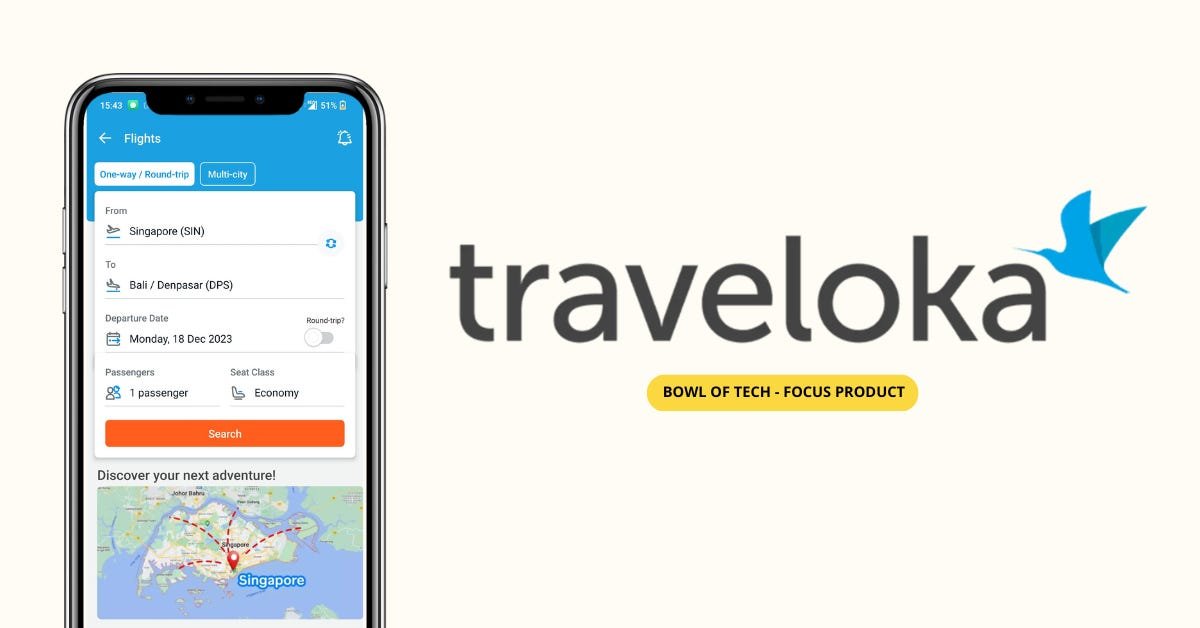
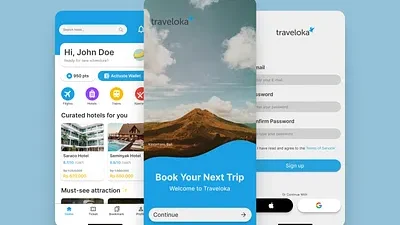
Founded in Indonesia in 2012 and now operating across eight markets — Indonesia, Malaysia, Thailand, Vietnam, the Philippines, Singapore, Australia, and Japan — Traveloka was built from the ground up to serve the travel patterns of this region. Over 140 million app downloads. More than 40 million monthly active users. Over 20 integrated travel products: flights, hotels, activities, attractions, train tickets, airport transfers, car rentals — all in one platform, one booking flow, one customer support team.
Real flexibility isn’t having five different apps that each do one thing well. Real flexibility is being able to change your flight, adjust your hotel, add an experience, and manage the whole trip without logging into three separate platforms and hoping their cancellation policies are compatible. That’s what Traveloka built — and why it has held the trust of travellers across Southeast Asia for over a decade while better-funded competitors have come and gone.
The platform’s partnerships with Singapore Tourism Board and Thailand’s Tourism Authority — both live into 2026 — aren’t just promotional campaigns. They’re operational commitments: curated local experiences, verified inventory, and stackable discounts across flights, hotels, and activities that a patchwork of single-purpose apps can’t replicate.
The question every traveller should ask before booking
Not just: does this platform have what I need?
But: will this platform still be there when I need it?
After November 2025, that second question has earned its place in every traveller’s checklist. And the answer, for 40 million monthly active users across eight countries, keeps pointing to the same platform.
Book flexible. Book smart. Book with a platform built for where you’re actually going.
Plan your entire trip at traveloka.com — flights, stays, activities, and transfers. One platform, one booking, full flexibility.










Related Posts



Stay Informed With the Latest & Most Important News
Previous Post
Next Post












-
 01Klook vs Sonder: Why Travelers Are Choosing Flexible Online Booking Platforms
 -
 02New Study Reveals Simple Lifestyle Changes Linked to Longer Life
 -
 03The Clean Canvas: Inside the Growing Demand for Natural & Premium Skincare
 -
 04How Learning New Skills Can Change Your Life
 -
 05Best Online Learning Platforms to Improve Your Skills in 2026
 -
 06The Rise of Independent Music Production & Creator Studios
 -
07The Pace of Modern Life: How Running Culture Is Rewriting the Rules of Fashion and Fitness