
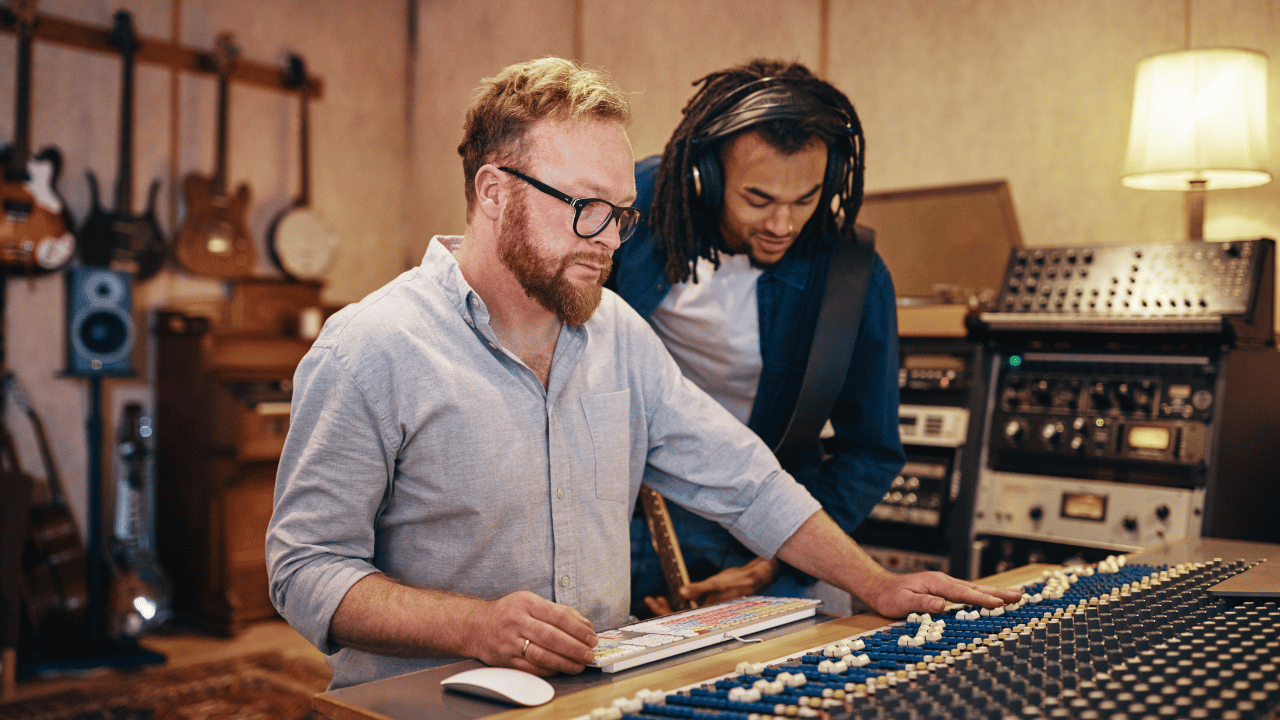
The music industry has undergone a massive transformation over the past decade. Gone are the days when artists needed expensive recording studios and major record labels to produce and distribute music. Today, independent music production and creator studios are reshaping the industry, giving artists the freedom to create, publish, and monetize their work on their own terms.
With affordable technology, digital platforms, and social media, musicians now have more control over their careers than ever before. This shift has created opportunities for independent artists while changing how audiences discover and consume music.
What Is Independent Music Production?
Independent music production refers to the process of creating, recording, and releasing music without relying on major record labels. Artists now have access to affordable software, home studio equipment, and online distribution platforms that allow them to produce professional-quality music independently.

Modern creator studios can range from sophisticated home setups to small collaborative workspaces where musicians, producers, and content creators work together. These studios often focus on flexibility, creativity, and digital-first production.
As technology becomes more accessible, independent production is no longer limited to professionals with large budgets.
Technology Has Changed Everything
One of the biggest reasons behind the rise of independent music production is technological advancement. Affordable recording tools, digital audio workstations (DAWs), and AI-powered editing software have made music creation easier than ever.
Software like Ableton Live, FL Studio, and Logic Pro allows artists to compose, mix, and master tracks from home.
High-quality microphones, audio interfaces, and soundproofing equipment are also now more affordable, making professional-level recording accessible to aspiring musicians.
As a result, artists no longer need expensive studio sessions to bring their ideas to life.
The Role of Creator Studios
Creator studios are becoming an important part of modern music culture. Unlike traditional studios that mainly focus on recording, creator studios are multi-functional spaces where music, podcasts, videos, and digital content are produced together.
Many independent artists collaborate with videographers, producers, and influencers within these spaces to create engaging content for platforms like YouTube, Instagram, and TikTok.
This integration of music and digital media helps artists grow their audience faster and build stronger personal brands.
Streaming Platforms Empower Independent Artists
The growth of music streaming platforms has played a major role in the success of independent musicians. Artists can now release songs directly to global audiences without needing a label.
Platforms like Spotify, Apple Music, and SoundCloud allow creators to distribute music worldwide instantly.
This has created a more level playing field where talent and creativity often matter more than industry connections.
Many independent artists have built successful careers solely through streaming and fan engagement.
Social Media and Music Discovery
Social media has changed how music becomes popular. Viral trends, short-form videos, and creator collaborations can turn unknown musicians into overnight sensations.
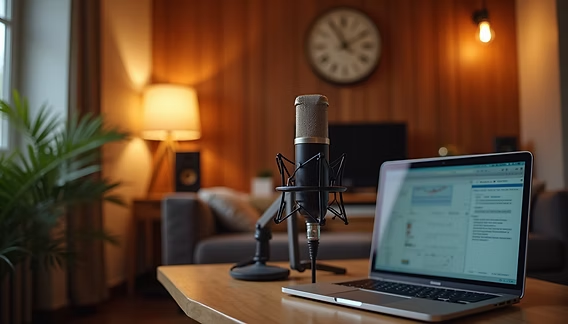
Platforms like TikTok and Instagram have become powerful marketing tools for musicians. A single trending audio clip can lead to millions of streams and new fans globally.
Independent artists now use social media not only to promote songs but also to connect directly with audiences, share behind-the-scenes content, and build loyal communities.
Challenges of Independent Music Production
Despite the advantages, independent music production comes with challenges. Artists often have to manage multiple responsibilities, including production, marketing, branding, and finances.
Standing out in an oversaturated market can also be difficult. Since thousands of songs are released daily, gaining visibility requires consistency, creativity, and smart promotion.
Additionally, independent creators may struggle with funding, copyright issues, and maintaining long-term income streams.
However, many artists see these challenges as worthwhile in exchange for creative freedom and ownership.
The Future of Independent Music
The future of music production looks increasingly independent. As technology improves and creator-focused ecosystems expand, more artists will choose to remain independent rather than sign traditional record deals.
AI tools, virtual collaborations, and digital creator studios are expected to make music production even more accessible and innovative.
This evolution is creating a music industry where talent, storytelling, and audience connection matter more than ever.
Conclusion
The rise of independent music production and creator studios represents a major shift in the entertainment world. Artists now have the power to create, distribute, and promote their music without depending on traditional gatekeepers.
With affordable technology, streaming platforms, and social media support, independent creators are building successful careers while maintaining artistic freedom.
As the creator economy continues to grow, independent music production is not just a trend—it is shaping the future of how music is made and shared. 🎵🚀










Related Posts

Stay Informed With the Latest & Most Important News
Previous Post
Next Post











-
 01The Sensorial Shift: Discover the Latest Trends in Beauty, Skincare, and Fragrances
 -
 02Celebrities Making Headlines with Climate Activism and Awareness
 -
 03Klook vs Sonder: Why Travelers Are Choosing Flexible Online Booking Platforms
 -
 04The Ultimate Skincare Routine for Every Skin Type
 -
 05Find the Best Hotel Deals on Booking.com: A Complete Guide
 -
 06How to Become Fluent in a Foreign Language Through Daily Practice
 -
 07Healthy Meal Delivery Ideas for Busy Professionals