

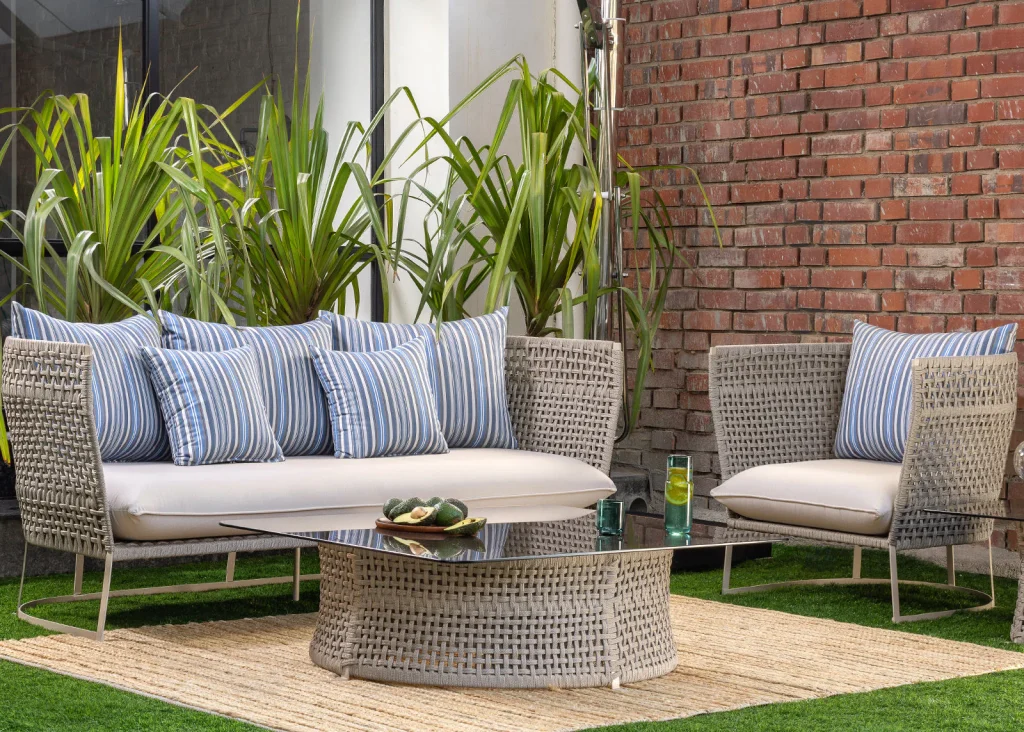
Creating a comfortable outdoor space can make your home more enjoyable throughout the year. Whether you have a spacious garden, a cosy balcony, a patio, or a rooftop terrace, the right outdoor furniture can turn an ordinary area into a relaxing retreat. From enjoying morning coffee to hosting weekend gatherings, well-chosen furniture combines practicality with visual appeal.
However, outdoor furniture must do more than look attractive. It should withstand changing weather conditions, fit your available space, and provide lasting comfort. Here are some important factors to consider when choosing outdoor furniture for your home.
1. Measure Your Outdoor Space
Before shopping for furniture, assess the size and layout of your outdoor area. A large dining set may work beautifully in a garden but overwhelm a small balcony.
Measure the available floor space and consider how people will move around the furniture. Leave enough room to pull out chairs, walk comfortably, and access doors or pathways.
For compact spaces, consider foldable chairs, stackable seating, or a small bistro table. Larger patios may accommodate outdoor sofas, dining tables, loungers, and additional seating.

Planning your layout beforehand helps you avoid unnecessary purchases and ensures the furniture fits naturally into the space.
2. Choose Weather-Resistant Materials
Outdoor furniture is regularly exposed to sunlight, moisture, temperature changes, and dust. Choosing suitable materials can help maintain its appearance and extend its lifespan.
Teak and other durable hardwoods: Wooden furniture offers a natural, timeless appearance. Some hardwoods handle outdoor conditions well, although they may require periodic cleaning, oiling, or other maintenance.
Aluminium: Lightweight and generally resistant to rust, aluminium furniture is a practical choice for patios and balconies. It is also relatively easy to move and maintain.
Wicker and synthetic rattan: These materials create a relaxed, stylish look. High-quality outdoor synthetic rattan is often designed to resist moisture and sunlight better than natural wicker.
Steel and wrought iron: These materials can provide strength and a classic appearance. However, protective finishes are important to help prevent corrosion, particularly in damp environments.
Always check the manufacturer’s care instructions and weather-resistance claims before purchasing.
3. Prioritise Comfort and Support
Outdoor furniture should be comfortable enough for you to enjoy spending time outside. When possible, test chairs and sofas before buying them.
Look for supportive backrests, suitable seat heights, and enough space to sit naturally. If you plan to spend long periods outdoors, consider cushioned seating or reclining chairs.
Outdoor cushions can improve comfort while introducing colour and texture. Choose fabrics designed for outdoor use, preferably with removable covers that are easy to clean. Store cushions indoors during heavy rain or when they are not in use for extended periods.
4. Match Furniture to Your Outdoor Style
Your outdoor area should complement the design of your home. A coordinated colour palette and consistent materials can create a polished appearance without making the space feel overly formal.
For a modern look, consider clean lines, neutral colours, and aluminium furniture. Natural wood, woven textures, and earthy shades can create a relaxed garden atmosphere. Bright cushions and patterned fabrics may suit a playful balcony or entertainment area.
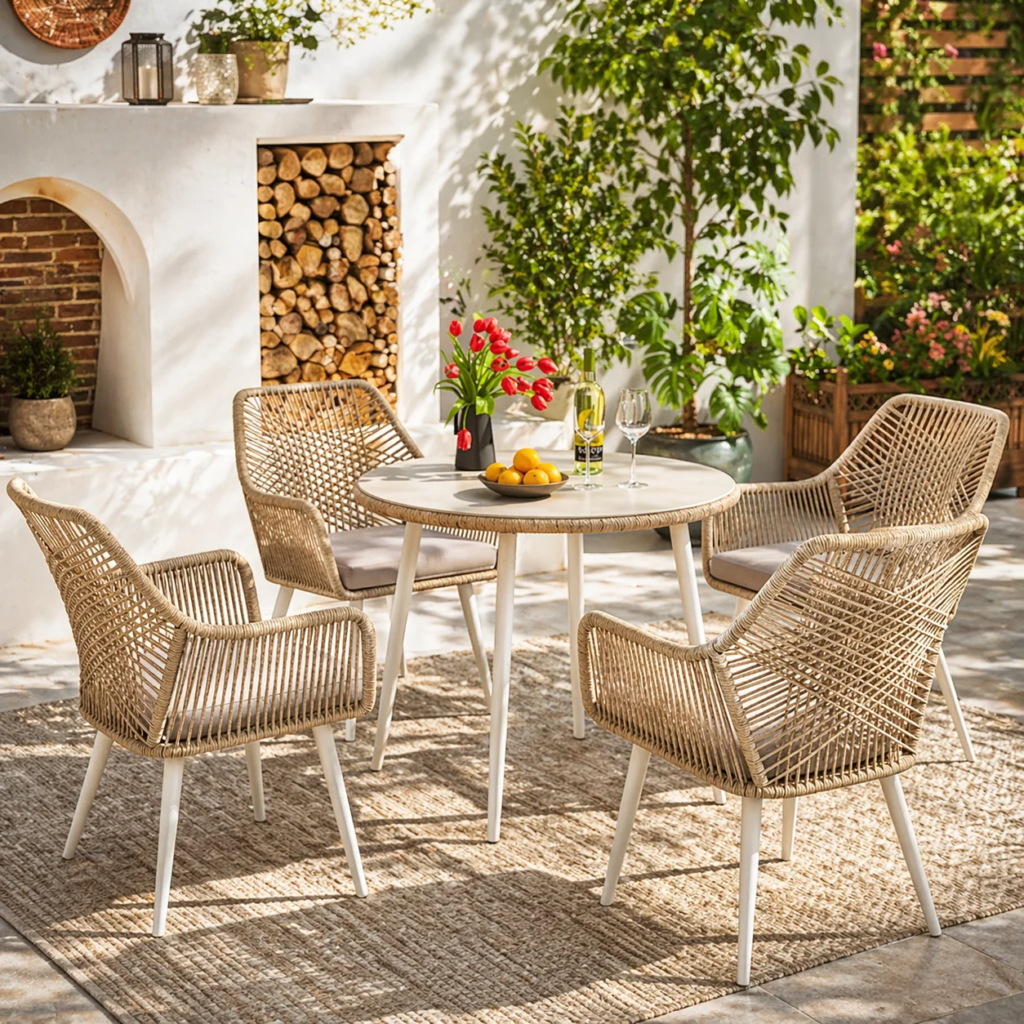
You can also add outdoor rugs, planters, lanterns, and decorative lighting to make the space feel more inviting. Keep accessories balanced so the area remains functional and easy to maintain.
5. Consider Maintenance Requirements
Different furniture materials require different levels of care. Before purchasing, consider how much time you want to spend cleaning and maintaining your outdoor setup.
Washable cushion covers, easy-to-clean surfaces, and rust-resistant frames can reduce routine maintenance. Protective furniture covers can help limit exposure to dust, rain, and sunlight.
If your outdoor area is uncovered, consider how you will protect the furniture during harsh weather. Even durable materials can benefit from appropriate storage and regular care.
6. Set a Realistic Budget
Outdoor furniture is available at a wide range of prices. Establish a budget before shopping and prioritise the pieces you will use most frequently.
Investing in a durable dining set or comfortable seating may offer better long-term value than buying several inexpensive items that need frequent replacement. Compare construction quality, warranties, materials, and care requirements rather than focusing only on appearance.
You can complete the space gradually by adding accessories and extra seating as your budget allows.
Final Thoughts
Choosing outdoor furniture involves balancing comfort, durability, style, and cost. By measuring your space, selecting weather-appropriate materials, prioritising comfortable seating, and planning for maintenance, you can create an outdoor area that suits your lifestyle.
Whether you are furnishing a small balcony or a spacious garden, thoughtful choices can help you build a welcoming space for relaxing, entertaining, and enjoying the outdoors.










Related Posts


Stay Informed With the Latest & Most Important News
Previous Post
Next Post












-
 0110 Easy High-Protein Recipes You Can Make in Under 10 Minutes
-
 02Foods Recommended by Doctors to Boost Your Immune System Naturally
-
 03Small Home Décor Changes That Can Transform Your Interior
-
 04Klook vs Sonder: Why Travelers Are Choosing Flexible Online Booking Platforms
-
 05What to Look for When Shopping for Glasses Online
-
 06The Daily Wellness Essentials People Often Ignore
-
 07The New Economic Reality: How Rising Living Costs Are Rewriting Financial Planning