

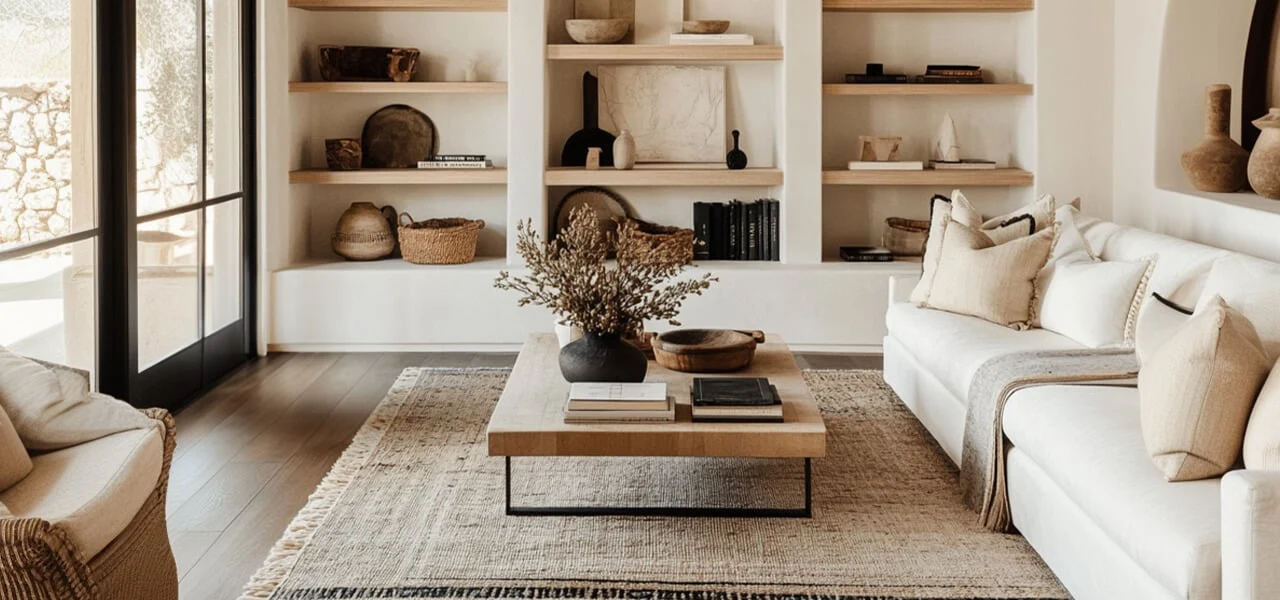
Transforming your home does not always require expensive renovations or a complete makeover. Sometimes, small decorative changes can make a room feel brighter, more welcoming, and better organised. Whether you live in a compact apartment or a spacious house, thoughtful updates can refresh your interiors while keeping your budget under control.
From rearranging furniture to introducing new colours and textures, there are plenty of simple ways to improve your living space. Here are some practical home décor ideas that can help you create a stylish and comfortable interior without making major changes.
1. Refresh Your Space With New Cushions and Throws
Soft furnishings are among the easiest ways to update a room. Replacing old cushion covers, adding a textured throw, or mixing different fabrics can instantly change the appearance of your sofa or bed.
Choose colours that complement your existing furniture and wall shades. Neutral tones can create a calm atmosphere, while brighter colours and interesting patterns can add personality.

You do not need to purchase an entirely new set of accessories. Mixing a few new pieces with items you already own can give your room a refreshed look without unnecessary spending.
2. Improve Lighting for a Warmer Atmosphere
Lighting affects how a room looks and feels. A space with harsh overhead lighting may seem less inviting, while layered lighting can create a more comfortable environment.
Consider adding table lamps, floor lamps, or warm-toned bulbs to suitable areas. Bedside lamps can make bedrooms feel cosy, while a floor lamp beside a reading chair can create a relaxing corner.
Whenever possible, make the most of natural light by keeping windows clear and using lightweight curtains. Mirrors placed strategically can also help reflect daylight around a room.
3. Add Indoor Plants for a Natural Touch
Indoor plants can bring colour, texture, and a sense of freshness to your interiors. A small plant on a desk, a leafy variety in an empty corner, or a few pots on a windowsill can make a noticeable difference.
Choose plants according to the amount of natural light and care you can provide. Low-maintenance options may suit busy households, while artificial plants can offer a decorative alternative if maintaining live greenery is difficult.
Use attractive pots or planters that coordinate with your furniture and overall décor style.
4. Create an Accent Wall
An accent wall can add visual interest without requiring you to redesign an entire room. You could introduce a different paint colour, removable wallpaper, decorative wall panels, or a carefully arranged gallery of artwork.
For a subtle effect, choose a shade that complements the existing colour scheme. Deeper colours can create contrast, while softer tones may help maintain a light and airy appearance.
Before making permanent changes, consider the room’s size, natural lighting, and existing furniture to ensure the new feature feels balanced.
5. Upgrade Curtains and Rugs
Curtains and rugs influence both the appearance and comfort of a room. Changing old curtains to a lighter fabric can make a space feel more open, while thicker materials may add warmth and privacy.
A well-sized rug can help define a seating area, introduce colour, and connect different furniture pieces visually. Consider materials that suit your household’s needs, especially if you have pets, children, or high-traffic areas.
Measure your space before buying to avoid choosing curtains or rugs that look disproportionate once installed.
6. Declutter and Rearrange Furniture
Sometimes, the most effective décor improvement costs nothing. Removing unnecessary items from shelves, clearing tabletops, and organising visible storage can make a room feel more spacious.
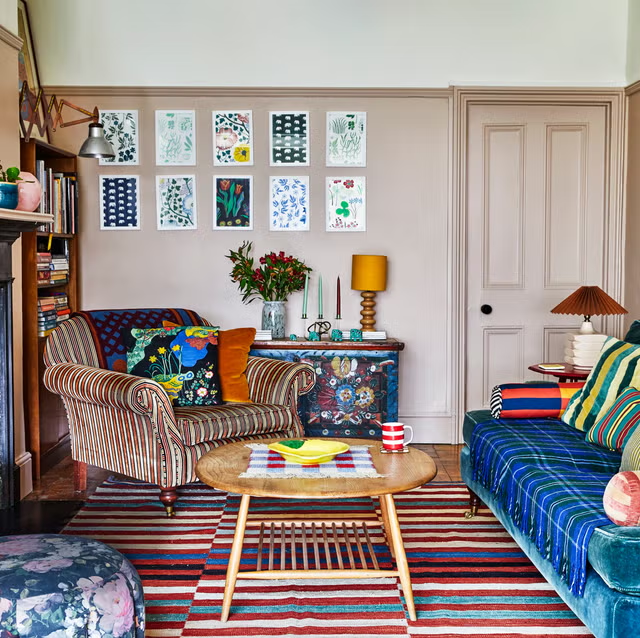
Try rearranging your furniture to improve movement and create a better layout. Keep frequently used items accessible and avoid blocking windows or natural pathways.
Decorative trays, baskets, and storage boxes can help organise everyday belongings while maintaining a tidy appearance.
7. Personalise Your Walls and Shelves
Your home should reflect your personality. Display framed photographs, favourite books, artwork, travel souvenirs, or meaningful objects to make your space feel individual.
Group decorative pieces thoughtfully rather than filling every available surface. Varying heights and textures can create visual interest, while leaving some empty space prevents shelves from appearing overcrowded.
Final Thoughts
Small home décor changes can make a meaningful difference without requiring a large budget or extensive effort. Updating soft furnishings, improving lighting, adding plants, refreshing walls, and organising furniture can help create a more inviting interior.
Start with one room or one small change, and build gradually as your preferences develop. By combining practical choices with personal touches, you can create a home that feels comfortable, stylish, and uniquely yours.










Related Posts

Stay Informed With the Latest & Most Important News
Previous Post
Next Post











-
 0110 Smart Ways to Save Money on Your Next Hotel Stay
-
 02Why Boden Is a Go-To Brand for Timeless Women’s Fashion
-
 03How to Book Cheap Airport Lounge Access Before Your Next Flight
-
 04Late-Night Food Delivery: What to Order When Cravings Hit
-
 05Best Foods to Try in Japan
-
 06Best Prepaid Phone Plans in the USA: Affordable Options for 2026
-
 07A Journey to Sri Lanka: The Pearl of the Indian Ocean