


Protein shakes have become a popular part of modern fitness routines, helping people support muscle growth, recovery, and overall nutrition. Whether you are a beginner starting your fitness journey or an experienced athlete working toward specific goals, understanding how protein shakes fit into a balanced diet can help you make informed choices. However, protein supplements work best when combined with nutritious meals, regular exercise, and healthy lifestyle habits.
Why Is Protein Important for Fitness?
Protein is an essential nutrient that helps build and repair muscles, supports tissue maintenance, and contributes to various bodily functions. During exercise, especially strength training, muscle fibres experience small amounts of stress. Consuming sufficient protein helps the body repair these fibres and adapt to training over time.

Protein also plays a role in maintaining muscle mass during weight management. Since it can help you feel fuller for longer, including protein in meals may make it easier to manage hunger throughout the day.
Your daily protein needs depend on factors such as body weight, activity level, age, and fitness goals. People who exercise regularly may require more protein than those with sedentary lifestyles.
What Are Protein Shakes?
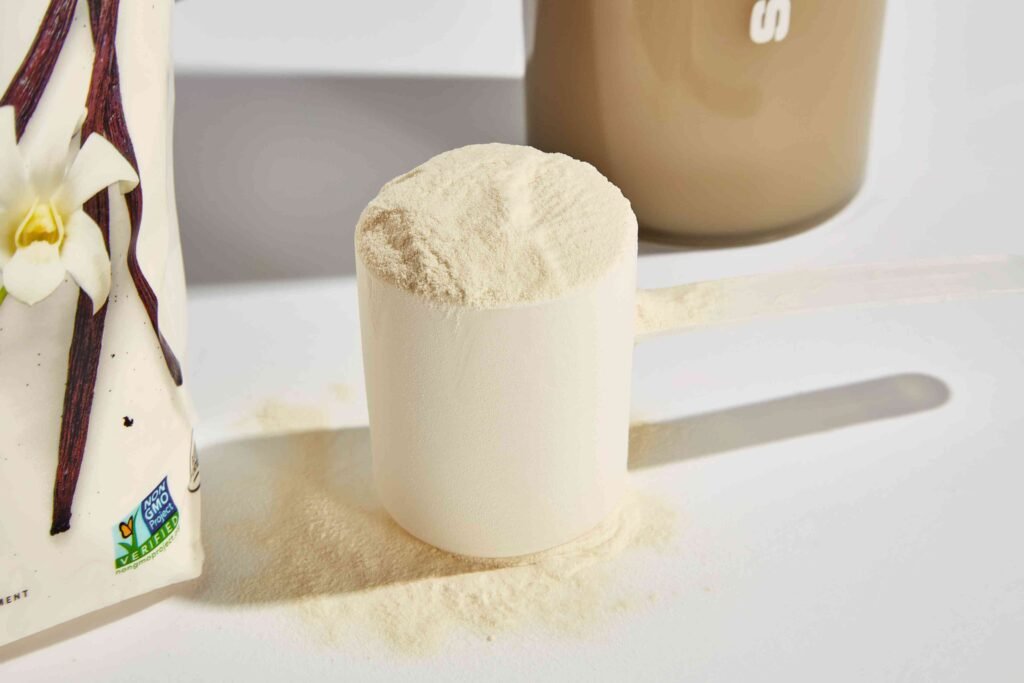
Protein shakes are drinks made by mixing protein powder with water, milk, or another beverage. Some are designed to provide mostly protein, while others contain additional carbohydrates, fats, vitamins, and minerals.
Several types of protein powders are available:
- Whey protein: A milk-based protein that is quickly digested and commonly used after workouts.
- Casein protein: Another milk-based option that digests more slowly.
- Soy protein: A plant-based option that provides all nine essential amino acids.
- Pea and rice protein: Plant-based alternatives suitable for people avoiding dairy, often used individually or in blends.
- Blended protein powders: Combinations of different protein sources designed to provide a varied amino acid profile.
The best option depends on your dietary preferences, digestion, budget, and nutritional requirements.
Benefits of Protein Shakes for Active Individuals
Protein shakes offer convenience, particularly when preparing a full meal is difficult. They can help people meet their daily protein requirements without spending additional time cooking.
For those focused on muscle development, consuming enough protein throughout the day supports muscle repair and growth when paired with appropriate resistance training. Protein shakes can also be useful after exercise when a regular meal is not immediately available.
However, timing is less important than consistently meeting your overall daily protein needs. A shake is not essential for everyone, and whole foods can provide the protein required for most fitness goals.
When Should You Drink a Protein Shake?
You can consume a protein shake before or after exercise, depending on your schedule and preferences. Drinking one after a workout is convenient, especially if you have not eaten a protein-rich meal recently.
Some people prefer a shake in the morning to complement breakfast, while others use it as an afternoon snack. You can also blend protein powder with fruit, oats, or milk to create a more substantial drink.

There is no single perfect time to consume protein. The key is to distribute protein intake across your meals and snacks rather than relying on one large serving.
How to Choose the Right Protein Powder
Before purchasing a protein supplement, read the nutrition label carefully. Check the protein content per serving, added sugar, calorie count, ingredients, and serving size. Choose products from reputable brands that provide transparent labelling and appropriate quality testing.
Consider your dietary needs as well. If you are lactose intolerant, you may prefer a suitable lactose-free product or a plant-based alternative. If you have food allergies or medical conditions, review the ingredients and seek professional advice when necessary.
Remember that a higher price does not automatically mean better quality.
Final Thoughts
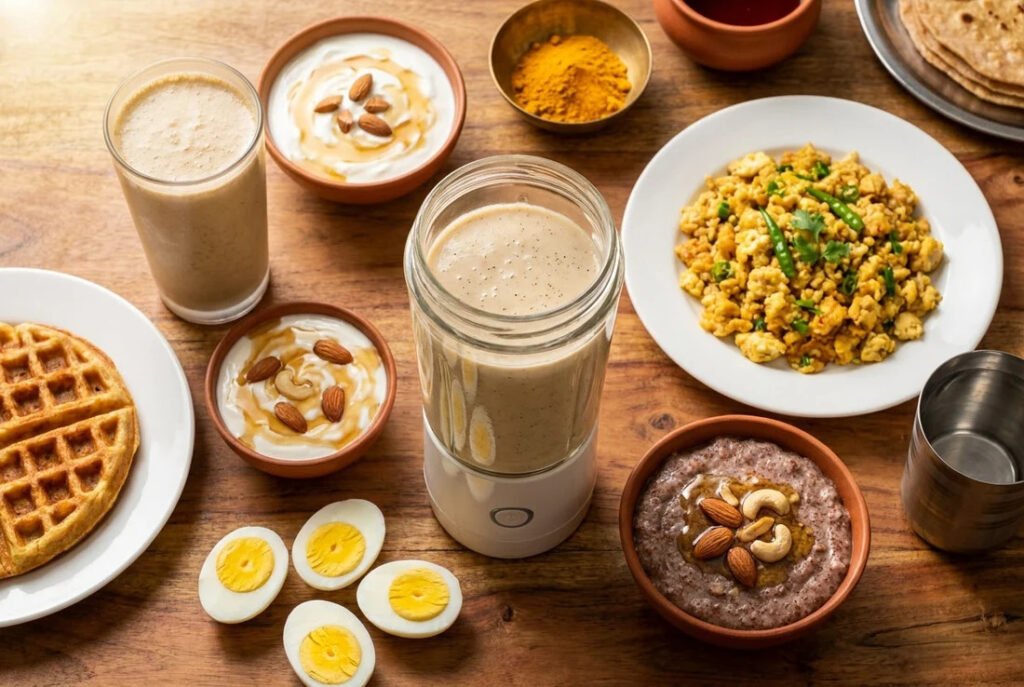
Protein shakes can be a practical addition to fitness nutrition, but they are not a shortcut to results. A balanced diet containing foods such as eggs, dairy products, legumes, tofu, nuts, seeds, and other protein-rich options remains essential.
Combine adequate protein intake with consistent exercise, sufficient sleep, and proper hydration. By choosing supplements thoughtfully and focusing on your overall nutrition, you can build habits that support your fitness goals over the long term.










Related Posts

Stay Informed With the Latest & Most Important News
Previous Post
Next Post











-
 01Bus Travel vs Train Travel in the USA: Which Is More Affordable?
-
 02What to Wear to a Job Interview in 2026
-
 03How to Book Cheap Train Tickets in Europe: Money-Saving Tips for Travelers
-
 04Krisp: Making Online Meetings Clearer, Smarter, and More Productive
-
 05How to Avoid Burnout in a Busy World: Practical Strategies for a Healthier, Happier Life
-
 06Agoda vs Klook: How Digital Travel Platforms Are Transforming Vacation Planning
-
 07Best Furniture for Creating a Stylish and Comfortable Home in 2026