

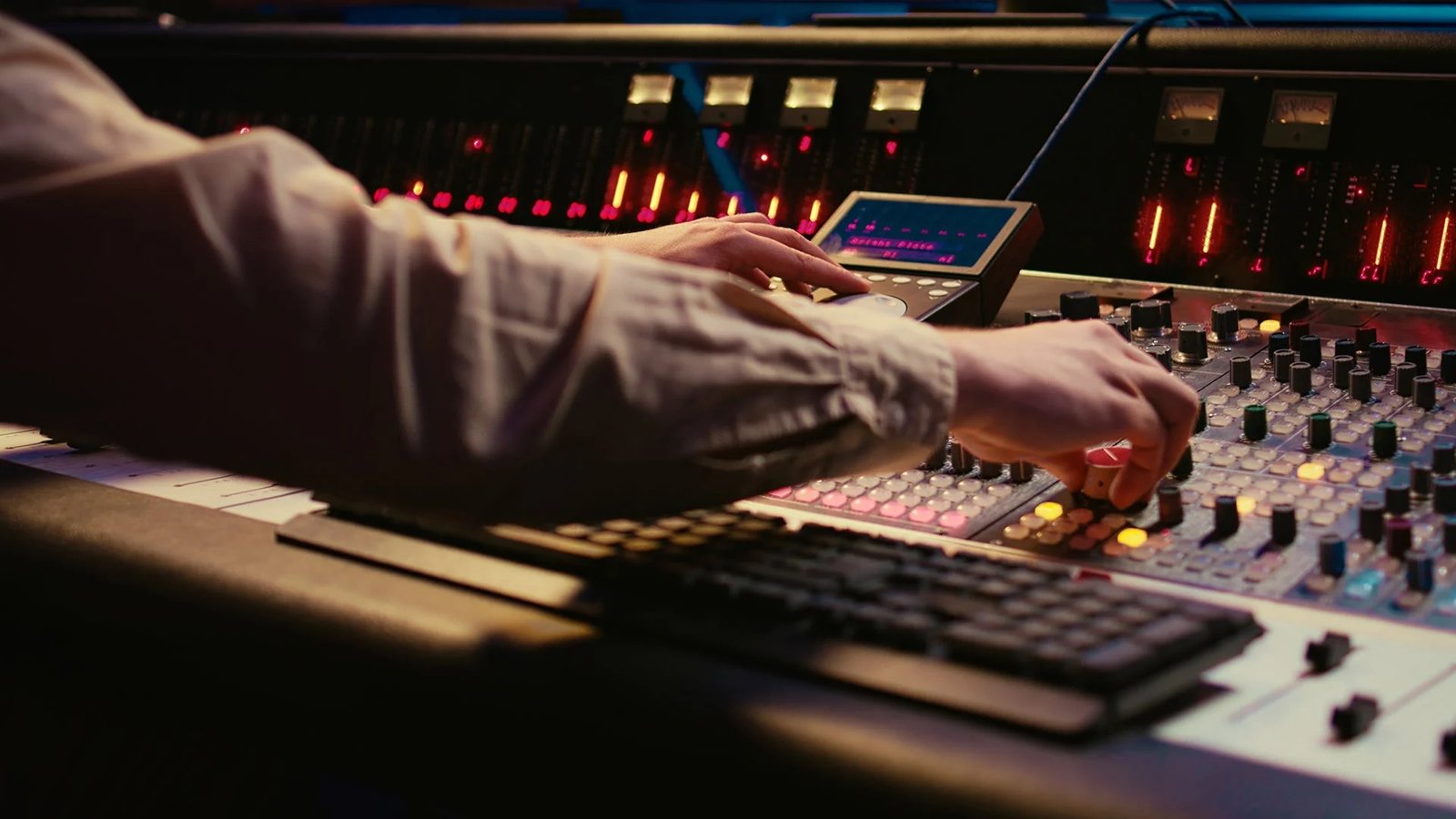
Building a home recording studio is an exciting step for musicians, podcasters, voice-over artists, and content creators. You no longer need an expensive professional studio to produce high-quality audio. With the right equipment, a suitable space, and a little practice, you can record clear, professional-sounding audio from the comfort of your home.
If you are just starting, choosing equipment can feel overwhelming. The key is to focus on essential tools that match your recording needs and budget.
1. Choose the Right Microphone
A microphone is one of the most important investments for any home studio. It captures your voice, vocals, or instruments, so choosing the right type can significantly affect your recording quality.
Condenser microphones are popular for vocals, podcasts, and voice-overs because they capture detailed sound. However, they can also pick up background noise. Dynamic microphones are often more forgiving in untreated rooms and work well for spoken audio and certain vocal styles.

Beginners can also consider USB microphones, which connect directly to a computer and are easy to set up. XLR microphones offer more flexibility when paired with an audio interface.
2. Invest in a Reliable Audio Interface
If you choose an XLR microphone, an audio interface is usually essential. It connects your microphone or instruments to your computer and converts analogue audio into digital signals for recording.
Look for an interface with clean microphone preamps, low-latency performance, and enough inputs for your current needs. A simple two-input model is often sufficient for solo recording, while musicians recording multiple instruments simultaneously may need additional inputs.
Before purchasing, check compatibility with your computer and recording software.
3. Get Comfortable Studio Headphones
Good headphones help you monitor recordings, hear editing details, and identify unwanted noise. Closed-back studio headphones are particularly useful while recording because they reduce sound leakage into the microphone.
Choose a comfortable pair with clear, balanced audio rather than relying solely on heavy bass or enhanced sound effects. Comfort matters, especially if you plan to record or edit for several hours.
You can consider studio monitors later when your budget allows.
4. Select Digital Audio Workstation Software
A digital audio workstation (DAW) is the software used to record, edit, arrange, and mix audio. It is the central workspace of your home studio.
Popular options include Audacity for straightforward audio recording and editing, GarageBand for compatible Apple devices, and more advanced platforms such as Reaper, Ableton Live, and Logic Pro.
Many programs offer free trials or beginner-friendly versions. Start with software that supports your recording goals instead of paying for advanced features you may not need yet.
5. Improve Your Recording Space
Even excellent equipment can produce disappointing results in a room with excessive echo or background noise. Fortunately, you do not need a fully soundproofed studio to improve your recordings.
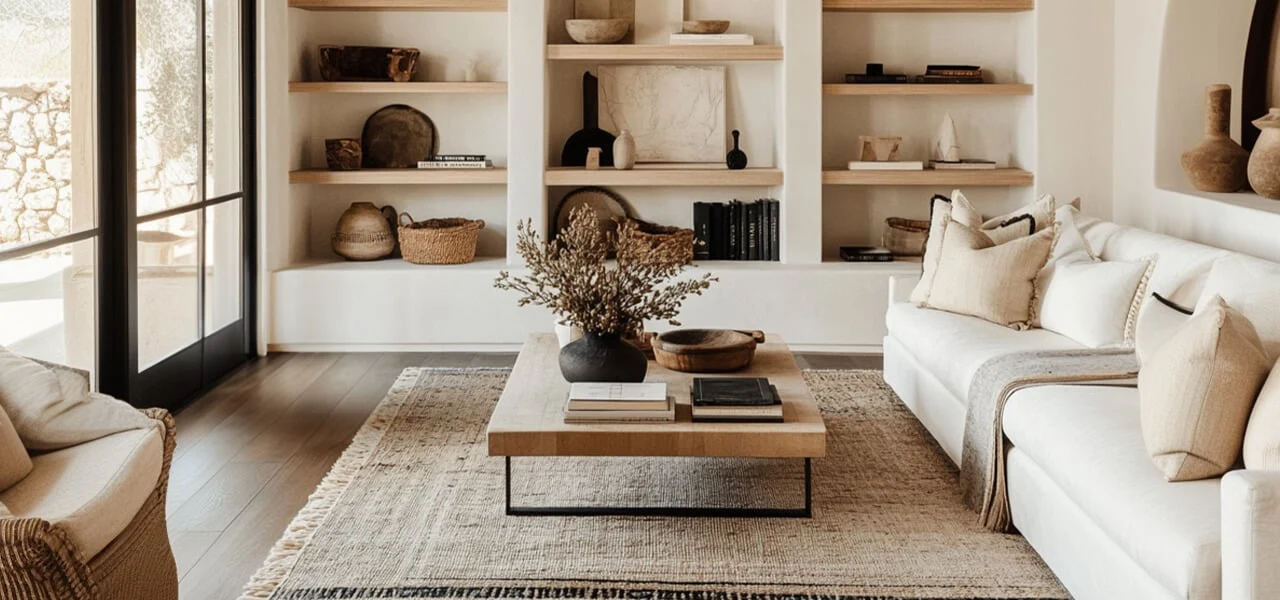
Begin by choosing a quiet room away from traffic, appliances, and other disturbances. Soft furnishings, curtains, rugs, and bookshelves can help reduce reflections. A microphone stand, pop filter, and shock mount can also improve recording quality by reducing handling noise and plosive sounds.
Remember that sound treatment and soundproofing are different. Treatment improves the sound inside a room, while soundproofing aims to limit noise travelling in or out.
6. Add Essential Accessories
Small accessories can make your studio easier to use and help maintain consistent recording quality. Consider these essentials:
- Microphone stand: Keeps the microphone stable and correctly positioned.
- Pop filter or windscreen: Helps control harsh bursts of air during speech and singing.
- XLR or USB cables: Provides a reliable connection between your equipment and computer.
- External storage: Helps back up important recordings and project files.
- Power protection: A suitable surge protector can help protect connected equipment.
Buy accessories that are compatible with your setup, and avoid spending money on unnecessary extras at the beginning.

Final Thoughts
Building your first home studio is about creating a reliable recording environment, not purchasing every piece of equipment available. Start with a suitable microphone, headphones, recording software, and the necessary connections. Add an audio interface if your microphone requires one, and improve your room acoustics as you learn.
With a practical setup and regular practice, you can gradually upgrade your equipment and develop the skills needed to create better recordings. The best home studio is one that fits your budget, supports your creative goals, and encourages you to keep making something new.









Stay Informed With the Latest & Most Important News
Previous Post
Next Post








-
 01AARP Guide to the Resources, Benefits and Support That Help You Get More From Life
-
 02A Journey to Sri Lanka: The Pearl of the Indian Ocean
-
 03Budget-Friendly Travel Tips for Exploring the UK by Bus
-
 04Celebrities Making Headlines with Climate Activism and Awareness
-
 05How Time in Nature Boosts Mental Health and Reduces Stress
-
 06The Future of Wearable Tech: Ray-Ban AI Glasses Explained
-
 07How Hostinger Can Support Your Small Business Website Requirements