

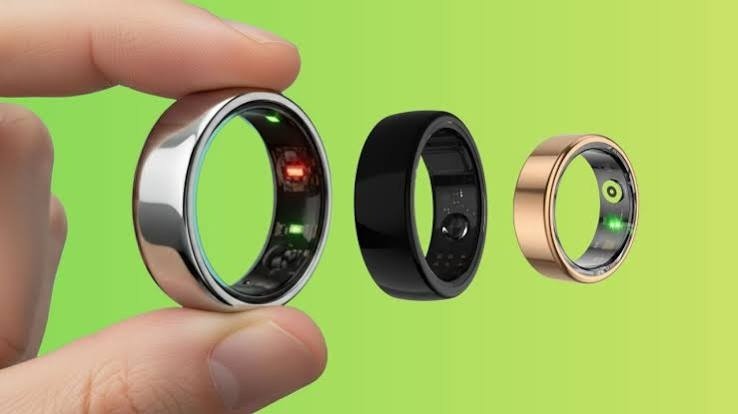
Wearable technology has traditionally been associated with smartwatches and fitness bands, but a smaller device is gaining attention: the smart ring. Designed to fit discreetly around a finger, smart rings combine compact hardware with sensors that can track various aspects of everyday activity and wellness. As consumers look for technology that is less intrusive and easier to wear around the clock, smart rings are becoming an increasingly interesting alternative to traditional wearables.
A More Discreet Wearable
One of the biggest attractions of smart rings is their size. Unlike a smartwatch, a smart ring doesn’t place a screen on your wrist or constantly display notifications.
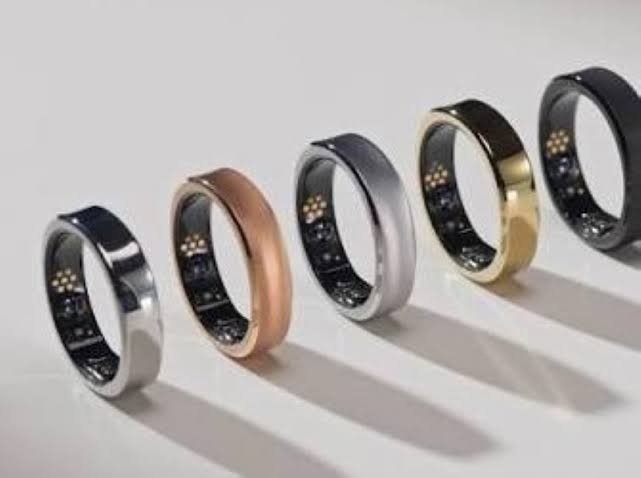
Its minimalist design makes it suitable for people who want to collect health and activity data without wearing a noticeable electronic device. For many users, the ring can feel more like a piece of jewellery than a traditional gadget.
Designed for 24/7 Tracking
Smart rings are generally designed to be worn throughout the day and night. Their compact form makes them convenient for tracking activity during everyday routines as well as while sleeping.
Depending on the model, smart rings can monitor metrics such as sleep duration, heart-rate patterns, activity levels, skin temperature, or blood oxygen estimates. These features can give users a broader picture of their daily routines when viewed through the companion smartphone app.
As with other consumer wearables, these measurements are intended for wellness and personal insights rather than medical diagnosis.
Comfortable for Sleep Tracking
Sleep tracking is one area where smart rings can have a practical advantage. Some people find sleeping with a smartwatch uncomfortable because of its size, weight, or wrist placement.
A lightweight ring can be less noticeable during the night, making it easier for users to wear consistently. Over time, consistent tracking can help reveal patterns in bedtime, sleep duration, and overnight measurements.
Longer Battery Life
Battery life is another factor that can make smart rings appealing. Because smart rings generally don’t have large displays or power-intensive smartwatch features, some models can operate for several days between charges.
Longer intervals between charging can make continuous tracking more convenient. However, battery performance varies between models, so it’s worth checking the manufacturer’s specifications before choosing a device.
Less Screen Time
Smartwatches can be useful for notifications, calls, apps, navigation, and other functions, but these features can also encourage users to check their wrists frequently.

Smart rings take a different approach. Most don’t have a traditional screen, meaning the collected information is typically viewed through a smartphone app. This separation can appeal to people who want wearable tracking without adding another source of notifications to their day.
Useful Insights in a Small Device
Despite their small size, smart rings can pack several sensors into a compact design. Depending on the device, collected data can provide insights into sleep, movement, recovery, heart-rate patterns, and other wellness-related measurements.
The real value often comes from viewing these metrics together rather than focusing on one number. For example, changes in sleep and activity patterns may help users understand how their routines vary from one week to another.
Smart Rings vs. Smartwatches
Smart rings and smartwatches serve somewhat different purposes. A smartwatch is often better suited to people who want an interactive screen, notifications, apps, GPS, and workout controls directly on their wrist.
A smart ring focuses more heavily on discreet tracking and passive data collection. The right choice depends on whether you prioritise smartwatch functionality or a smaller, less distracting wearable.
Final Thoughts
Smart rings demonstrate how wearable technology is becoming more diverse and personalised. Their compact design, discreet appearance, sleep-friendly form, and focus on continuous tracking make them an appealing alternative to traditional wearables.
For consumers who want useful wellness insights without a screen on their wrist, a smart ring can offer a simple way to incorporate technology into everyday life while keeping the experience subtle and convenient.










Related Posts



Stay Informed With the Latest & Most Important News
Previous Post
Next Post












-
 01Why Smart Rings Are Becoming a Popular Alternative to Traditional Wearables
-
 02Growth Mindset vs. Fixed Mindset: Understanding the Key to Personal and Professional Success
-
 03Travel Experts Predict Top Destinations to Shape 2024 Tourism
-
 04The Art of Crocheting: A Creative and Relaxing Craft
-
 05Driving Conversion-Ready Users via SEO Content & Comparison Guides
-
 06Travel Smarter: Easy Ways to Cut Costs on Your Next Trip
-
 07Klook vs Sonder: Why Travelers Are Choosing Flexible Online Booking Platforms