

Food is often discussed in terms of calories, nutrients, protein, carbohydrates, and portion sizes. While nutrition is undoubtedly important, food has always been about much more than simply keeping our bodies functioning.
It is comfort after a long day, a reason to gather around a table, a memory connected to a particular smell, and sometimes the highlight of an ordinary afternoon. Eating well isn’t just about what is on your plate. It’s also about how food makes you feel, how you experience it, and the role it plays in your everyday life.
Food Is an Experience
Think about your favorite meal. Chances are, you remember more than its ingredients.
Maybe it reminds you of a family celebration, a holiday, a restaurant you loved, or a Sunday afternoon at home. Food has a unique ability to connect taste with memories and emotions.
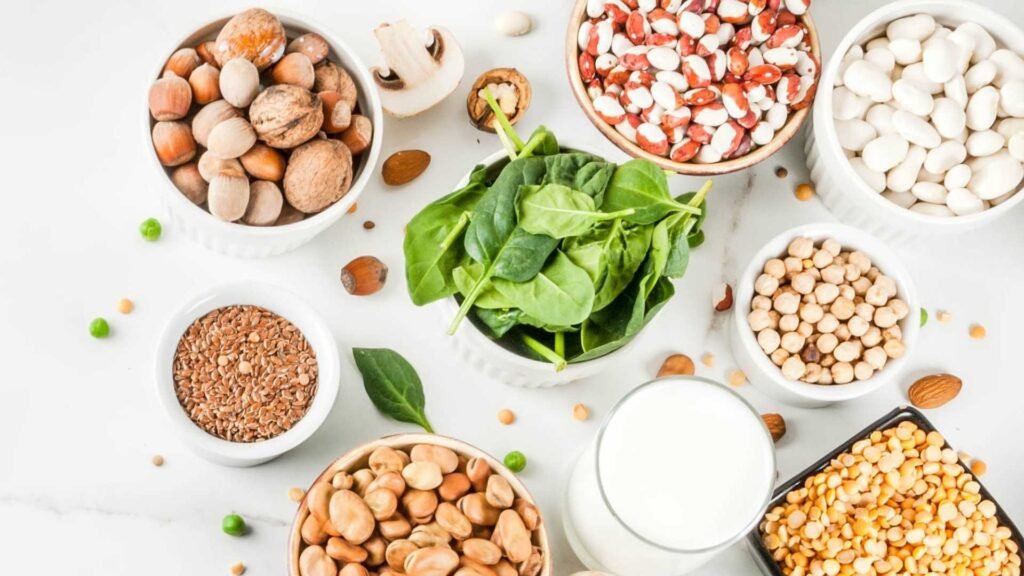
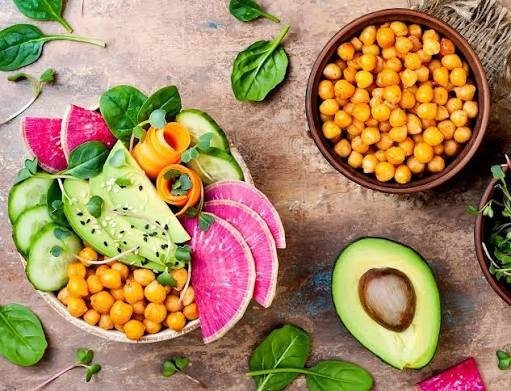
Even a simple meal can become an experience when you slow down and pay attention to it. The aroma, texture, presentation, and combination of flavors can turn something routine into something genuinely enjoyable.
Eating Well Doesn’t Mean Eating Perfectly
One of the biggest misconceptions about eating well is that every meal needs to be perfectly healthy.
Real life doesn’t work that way.
Some days call for a nourishing bowl of vegetables and grains. Other days, you might want your favorite pasta, dessert, or a comforting snack. Enjoying those foods doesn’t mean you’ve failed at eating well.
A balanced approach allows room for both nourishment and pleasure. Instead of labeling foods as strictly “good” or “bad,” focus on variety, balance, and what makes sense for your lifestyle.
The Pleasure of Cooking
Cooking can also change the way you experience food.
Preparing a meal gives you the opportunity to experiment with ingredients, discover new flavors, and create something from scratch. It can be a creative outlet rather than another household chore.
You don’t need to prepare complicated recipes to enjoy cooking. Making your morning coffee, putting together a colorful salad, experimenting with spices, or preparing a favorite family recipe can all become small rituals that make your day feel more intentional.
Food Brings People Together
Some of life’s best conversations happen around food.
A family dinner, weekend brunch with friends, a birthday cake, or a spontaneous coffee date can create moments that stay with us long after the meal is over.
Food gives people a reason to pause, sit together, and connect. In a world where so much communication happens through screens, sharing a meal can feel surprisingly meaningful.
Discovering New Flavors
Eating well can also mean being curious.
Try a cuisine you’ve never had before. Pick up an unfamiliar fruit at the grocery store. Experiment with a new spice or learn how another culture prepares a familiar ingredient.
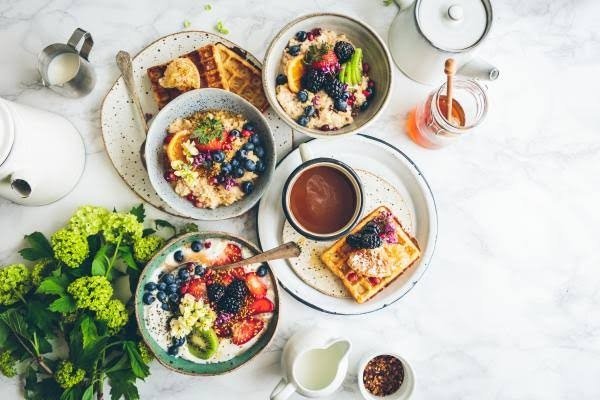
Exploring food can make everyday life more interesting. It introduces you to different traditions, ingredients, and ways of enjoying meals.
You don’t have to be a professional cook or a food enthusiast to appreciate this. Sometimes, all it takes is being willing to try something new.
Make Meals a Moment to Look Forward To
Eating well ultimately comes down to creating a healthier relationship with food—one that includes nourishment, enjoyment, curiosity, and connection.
Take time to enjoy your meals instead of always eating in a hurry. Cook when you can. Share food with people you love. Allow yourself to enjoy indulgent dishes without guilt. Discover flavors that excite you.
Because food isn’t simply something we consume between everything else we’re doing.
It is part of how we celebrate, connect, comfort ourselves, create memories, and enjoy everyday life.
And perhaps that is the real joy of eating well: finding a balance between taking care of your body and genuinely enjoying the food that makes life a little more delicious.










Related Posts

Stay Informed With the Latest & Most Important News
Previous Post
Next Post












-
 01DIY Furniture: Creativity, Savings, and Style for Modern Living
 -
 02Antarctica Beyond the Ice: A Traveler’s Guide to the White Continent
 -
 03Sleep Science Shows Why Quality Matters More Than Duration
 -
 04What to Wear to a Summer Wedding: A Complete Guest Style Guide
 -
 05How to Save More on Flights and Hotels with Trip.com
 -
 06Growth Mindset vs. Fixed Mindset: Understanding the Key to Personal and Professional Success
 -
 07Le guide ultime des projets de rénovation de la maison en 2026