

Learning is often associated with classrooms, exams, and career goals. But some of the most rewarding learning happens when there is no deadline, certificate, or test waiting at the end.
In today’s busy world, making time to learn can seem difficult. Work, responsibilities, social commitments, and everyday routines can quickly fill your schedule. Yet learning doesn’t have to mean spending hours studying every day. It can simply become a small, enjoyable part of your lifestyle.
The secret is to make learning easy enough to continue.
Start With Something You’re Curious About
The easiest way to build a learning habit is to start with genuine curiosity.
Think about something you’ve always wanted to understand or try. It could be photography, cooking, writing, business, music, psychology, design, fitness, or even a completely random subject you’ve recently discovered.
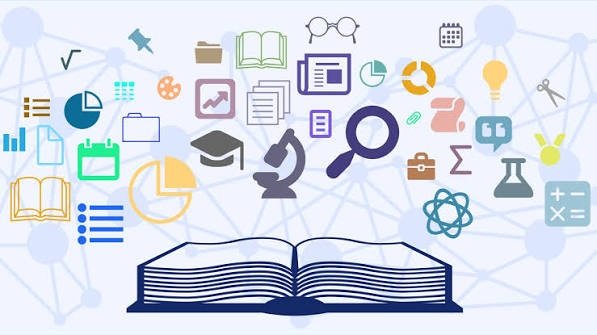
When you’re genuinely interested in a topic, learning feels less like another responsibility and more like something you look forward to.
You don’t need to choose the most practical skill. Sometimes learning simply because something fascinates you can make everyday life more interesting.
Turn Small Moments Into Learning Opportunities
You don’t need to dedicate an entire evening to education.
A 20-minute lesson during breakfast, a podcast while commuting, a short tutorial during a lunch break, or a chapter before bed can all become part of your learning routine.
Online learning platforms make this particularly convenient because you can access lessons whenever your schedule allows. Expert-led platforms such as MasterClass, for example, offer classes across subjects including business, writing, food, design, music, sports, wellness, and more.
The important thing isn’t how much time you spend learning in one sitting. It’s how consistently you return to it.
Create a Learning Ritual
Habits become easier when they’re connected to something you already do.
Maybe you spend 30 minutes learning after your morning coffee. Perhaps Sunday evening becomes your dedicated time to explore a new subject. You could even make listening to an educational podcast part of your daily commute.
Creating a familiar ritual removes the need to constantly decide when you’ll learn.
Eventually, learning becomes something you naturally expect to do.
Learn From People Who Inspire You
One of the most interesting ways to learn is through other people’s experiences.
Instead of only reading theoretical information, explore how professionals, creators, entrepreneurs, artists, athletes, and other experts approach their craft.
Platforms such as MasterClass are built around this idea, giving learners access to lessons from accomplished instructors who share their knowledge, experiences, techniques, and perspectives.
Sometimes hearing how someone thinks about their work can teach you just as much as the skill itself.
Don’t Try to Learn Everything at Once
One common mistake is taking on too much.
You might start five courses, download several books, subscribe to multiple newsletters, and decide you’re going to learn three new skills simultaneously. A week later, everything becomes overwhelming.
Instead, choose one topic and give it your attention.
You don’t have to finish an entire course in a weekend. Allow yourself to progress gradually. Learning should fit into your life, not take over it.
Apply What You Learn
Learning becomes much more meaningful when you actually use it.
If you’re learning photography, take photographs. If you’re exploring cooking, try a new recipe. If you’re learning about communication, practice active listening. If you’re studying writing, start writing.
Small projects turn information into experience.
You don’t need to become an expert immediately. The goal is simply to keep moving from learning to doing.
Make Curiosity a Lifestyle
Perhaps the biggest shift is changing how you think about learning.
You don’t have to wait until you need a new skill. You don’t need to enroll in a formal program every time you want to grow. Learning can happen casually, consistently, and simply because you’re interested.
Make room for curiosity. Explore unfamiliar subjects. Listen to people with different experiences. Try something you’re not naturally good at.
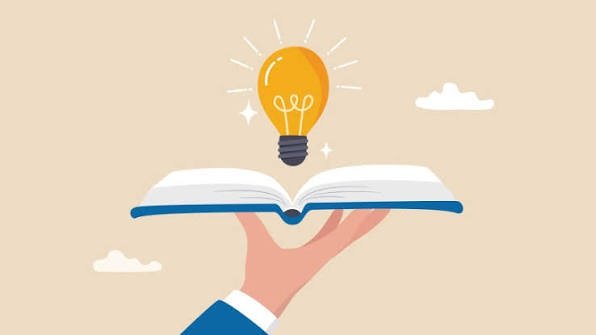
Over time, those small moments add up.
Because a lifestyle built around learning isn’t about constantly becoming more productive.
It’s about becoming more curious, capable, and engaged with the world around you.










Related Posts

Stay Informed With the Latest & Most Important News
Previous Post
Next Post












-
 01The Ultimate Skincare Routine for Every Skin Type
 -
 02Where to Stay in Tampere: Best Hotels, Areas & Things to Do
 -
 03Ways to Earn Gift Cards Through Everyday Online Activities with Swagbucks
 -
 04Why Food Is More Than Just Fuel: The Joy of Eating Well
 -
 05Le guide ultime des projets de rénovation de la maison en 2026
 -
 06Why Food Makes Celebrations More Memorable
 -
 07The Bedroom Revolution: How Home Studios Are Changing Modern Music Production