
More Than a Food Trend: Why Fermented Foods Are Taking Over Modern Kitchens


Walk through any grocery store today, and you’ll notice an increasing variety of fermented foods lining the shelves. From kimchi and kombucha to yogurt, kefir, and sauerkraut, these once niche products have become staples in many households. While fermented foods may seem like a modern wellness trend, they have actually been part of traditional diets for thousands of years across cultures worldwide.
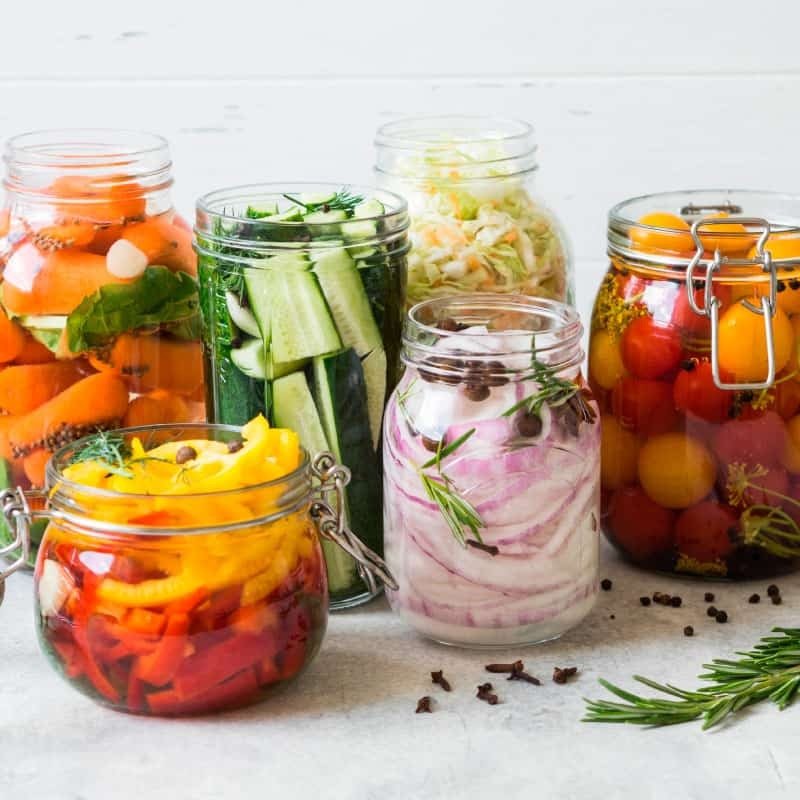
So, why are fermented foods becoming so popular again? The answer lies in their unique flavors, potential health benefits, and growing interest in gut health and natural nutrition.
What Are Fermented Foods?
Fermentation is a natural process in which beneficial microorganisms such as bacteria and yeast break down sugars and starches in food. This process not only helps preserve food but also creates distinctive flavors, aromas, and textures.
Some of the most popular fermented foods include:
- Yogurt
- Kefir
- Kimchi
- Sauerkraut
- Miso
- Tempeh
- Pickles (naturally fermented)
- Kombucha
These foods have been enjoyed for generations in countries such as Korea, Japan, Germany, India, and many others.
Growing Interest in Gut Health
One of the biggest reasons fermented foods are trending is the increasing awareness of gut health. The digestive system is home to trillions of microorganisms that play a role in digestion, metabolism, and overall well-being.
Some fermented foods contain live microorganisms, often called probiotics, which may support a healthy gut microbiome when consumed as part of a balanced diet. However, not all fermented foods contain live cultures by the time they are eaten, as some are pasteurized or processed after fermentation.
As more people learn about the connection between gut health and overall wellness, fermented foods have gained widespread attention.
Rich in Flavor and Variety
Fermentation creates bold, complex flavors that are difficult to achieve through other cooking methods.
Kimchi offers spicy and tangy notes, sauerkraut delivers a pleasant sourness, while miso adds deep umami flavor to soups and sauces. Kombucha combines slight sweetness with refreshing acidity.
These unique taste profiles allow home cooks and chefs to experiment with exciting new recipes while adding depth to everyday meals.
A Natural Preservation Method
Long before refrigerators existed, fermentation was one of the most effective ways to preserve food.
The process extends shelf life by creating an environment where harmful microorganisms struggle to grow. This traditional preservation technique remains valuable today, particularly for reducing food waste and making seasonal ingredients last longer.
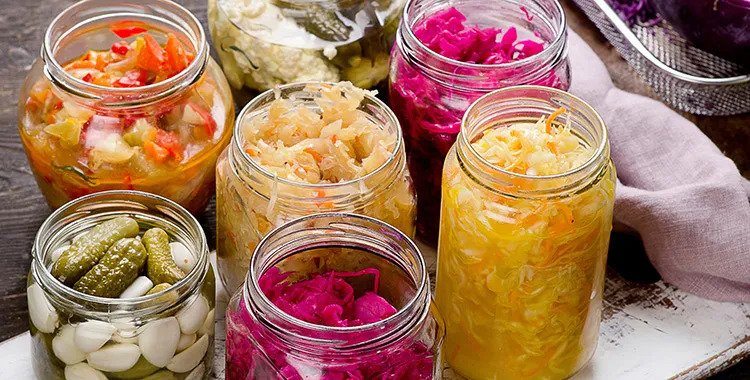
Its sustainability has contributed to renewed interest among environmentally conscious consumers.
Fermented Foods Fit Modern Diets
Many fermented foods align well with popular dietary patterns, including vegetarian, vegan, and whole-food diets.
Foods such as tempeh, kimchi, miso, and naturally fermented vegetables provide flavorful options for those looking to include more plant-based ingredients in their meals. Their versatility makes them suitable for salads, grain bowls, sandwiches, soups, and stir-fries.
Social Media Has Sparked Curiosity
Platforms like Instagram, TikTok, and YouTube have introduced millions of people to homemade fermentation.
From sourdough bread baking to DIY kombucha and kimchi recipes, creators are sharing tutorials that inspire viewers to experiment in their own kitchens. This online enthusiasm has transformed fermentation from an ancient technique into a modern culinary hobby.
Things to Keep in Mind
While fermented foods can be part of a healthy diet, moderation is important. Some products may be high in sodium, added sugar, or calories depending on how they are prepared.
It’s also worth remembering that fermented foods are not a cure-all. A balanced diet rich in fruits, vegetables, whole grains, lean proteins, and healthy fats remains the foundation of good nutrition.
If you have a medical condition or specific dietary concerns, consult a healthcare professional before making significant changes to your diet.
Final Thoughts
The growing popularity of fermented foods is more than just another wellness trend. It reflects a renewed appreciation for traditional cooking methods, bold global flavors, and greater awareness of the importance of gut health. From creamy yogurt and tangy sauerkraut to spicy kimchi and savory miso, fermented foods offer delicious ways to diversify your meals while connecting with culinary traditions that have stood the test of time.

Whether you’re exploring them for their unique taste, their role in preserving food, or their place in a balanced diet, fermented foods deserve their place in today’s kitchens. As interest in mindful eating continues to grow, these age-old favorites are proving that sometimes the best food trends are the ones that have been around for centuries.










Related Posts

Stay Informed With the Latest & Most Important News
Previous Post
Next Post










-
 01Udemy: Your Gateway to Skill-Based Learning in 2026
 -
 0210 Skills You Can Learn Online That May Change Your Future
 -
 03Modern Home Decor Ideas: Stylish Furniture and Accessories
 -
 04What to Look for When Booking a Private Pool for a Party
 -
 05Agoda: Making Travel Booking Simple and Affordable
 -
 06The DIY Concept: Creativity, Independence, and the Joy of Making Things Yourself
 -
 07Finland City Break Guide: Where to Stay in Helsinki, Tampere & Turku