

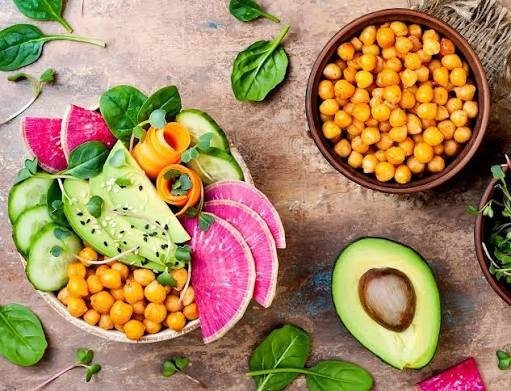
Plant-based food used to be viewed as a niche choice, often associated with strict diets or people who avoided animal products entirely. Today, that perception is changing.
Walk into a supermarket, browse a restaurant menu, or scroll through food content online, and you’re likely to find more plant-based choices than ever before. From familiar vegetables and grains to creative meat alternatives, plant-based food has become part of the mainstream food conversation.
The interesting part is that you don’t have to follow a completely plant-based diet to enjoy it.
Plant-Based Eating Is Becoming More Accessible
One of the biggest reasons plant-based food is becoming mainstream is simple: it is easier to find.
Restaurants are adding vegetarian and plant-based dishes to their menus, while supermarkets increasingly offer everything from plant-based milk and yogurt to meat alternatives and ready-to-eat meals.
This wider availability means people can experiment without completely changing their lifestyles.
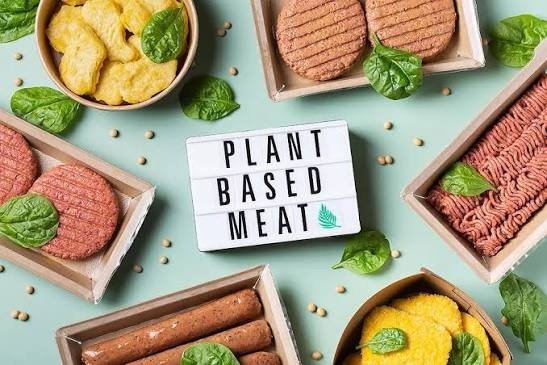
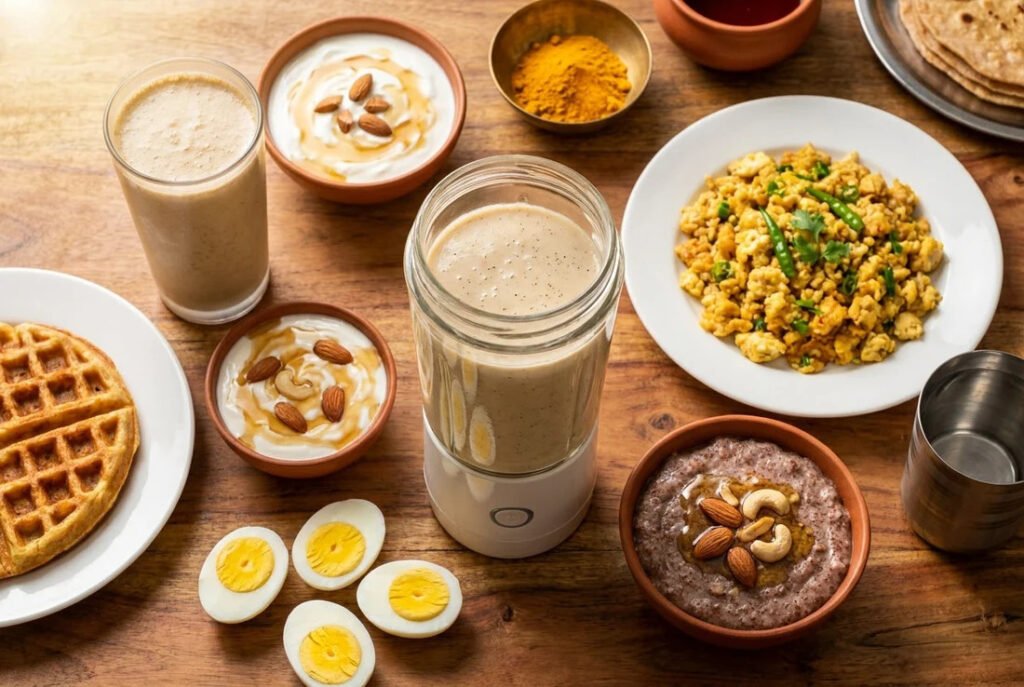
Someone might choose a plant-based breakfast one day, try a vegetarian dinner the next, or simply replace one ingredient in a familiar recipe. The options feel less restrictive because plant-based eating can fit into different lifestyles.
People Are Looking for More Variety
Modern food culture is increasingly driven by curiosity.
People want to try new flavors, cuisines, ingredients, and cooking styles. Plant-based food fits naturally into this trend because many cuisines around the world already have rich traditions of vegetable-based cooking.
Think colorful Indian curries, Mediterranean salads, Japanese tofu dishes, Mexican bean-based meals, Middle Eastern hummus and falafel, or comforting vegetable soups.
Plant-based food isn’t limited to salads. It can be flavorful, filling, creative, and surprisingly diverse.
Health and Wellness Are Part of the Conversation
Another reason people are exploring plant-based meals is their growing interest in everyday wellness.
Rather than thinking only about strict diets, many people are focusing on adding more vegetables, fruits, legumes, whole grains, nuts, and seeds to their meals.
A plant-forward approach can be a practical way to introduce more variety into everyday eating. Instead of focusing on eliminating foods, it encourages people to discover new ingredients and build meals around them.
The result can be a more colorful and interesting plate.
Sustainability Is Influencing Food Choices
Environmental awareness is also playing a role in the growing interest in plant-based food.
People are becoming more curious about where their food comes from and how their choices affect the environment. For some, eating more plant-based meals is one small lifestyle change that feels manageable.
This doesn’t necessarily mean giving up favorite foods completely. Choosing more plant-based meals throughout the week can simply become another way of making everyday eating more intentional.
Plant-Based Food Is Becoming More Creative
Perhaps the biggest change is happening in the way plant-based food is presented.
Chefs, food creators, and home cooks are showing that vegetables can be the centerpiece of a meal rather than an afterthought. Ingredients such as mushrooms, lentils, chickpeas, tofu, beans, cauliflower, and eggplant are being transformed into exciting dishes.
Social media has helped accelerate this creativity. Beautiful recipes and visually appealing plant-based meals make people curious enough to try them for themselves.
Food is no longer just about following a recipe. It is also about discovering inspiration.
You Don’t Have to Choose One Label
The rise of plant-based eating also reflects a broader shift in how people think about food.
Instead of following rigid categories, many people are creating eating habits that work for their individual needs and preferences. Some are vegetarian, some vegan, while others simply want to eat more plant-based meals.
There is no requirement to adopt a particular label.
You can start with something as simple as adding more vegetables to dinner, trying a lentil-based recipe, switching up your breakfast, or discovering a new plant-based cuisine.
A More Flexible Future for Food
Plant-based food is becoming mainstream because it is no longer about one particular type of eater.
It represents variety, experimentation, wellness, creativity, and flexibility. As more people discover how enjoyable plant-based meals can be, the category continues to move beyond the idea of being an alternative.
Ultimately, the future of food may not be about choosing between plant-based and traditional eating. It may simply be about having more delicious choices on the table.










Related Posts


Stay Informed With the Latest & Most Important News
Previous Post
Next Post












-
 01How to Launch a Website Without Technical Skills
 -
 02edX: Learn New Skills and Advance Your Career Online
 -
 03Bus Travel vs Train Travel in the USA: Which Is More Affordable?
 -
 04The Clean Canvas: Inside the Growing Demand for Natural & Premium Skincare
 -
 05How AARP Helps Older Adults Navigate Everyday Life With Valuable Resources and Support
 -
 06Explore Bucket-List Destinations with Malaysia Airlines
 -
 07Why Boden Is a Go-To Brand for Timeless Women’s Fashion