


Somewhere right now, a parent in Chennai is waiting for money sent from their son in London three days ago. The bank said five business days. It’s been four. Nobody can say exactly where the funds are — only that they’re somewhere in the network, passing through a chain of correspondent banks that each take their cut, run their compliance checks, and pass the envelope along to the next institution in the relay.
That’s not a 1995 problem. That’s how a significant portion of international money still moves in 2026 — slowly, opaquely, and expensively.
But increasingly, it isn’t the only way. And the gap between the old system and the new one has never been wider or more obvious.
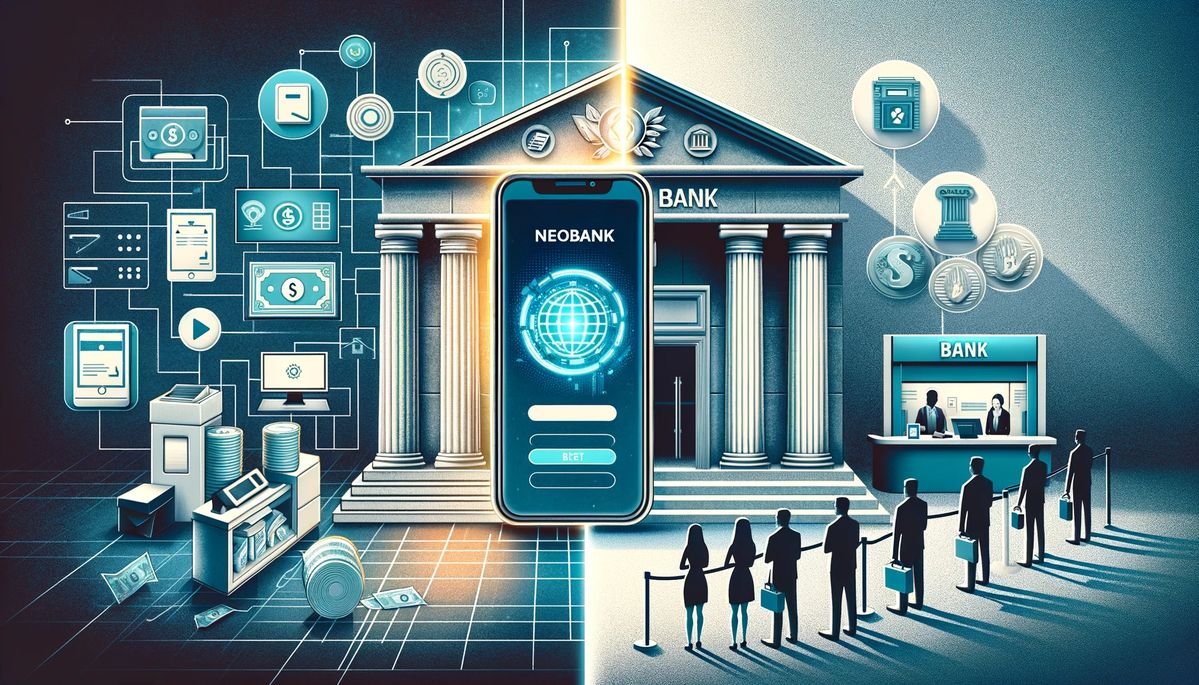
What the traditional system actually costs
Before understanding what digital banking tools have changed, it’s worth being clear about what they’re replacing — because the full cost of a traditional international wire transfer is rarely what it looks like on the surface.
Major retail banks charge between $15 and $50 for outgoing international wires. The receiving institution often adds another $10 to $25 just to accept the transfer. If the funds travel through correspondent banks — which most international SWIFT transfers do — each intermediary can quietly deduct $10 to $30 from the transfer amount. And sitting underneath all of this, invisible to most senders, is the exchange rate markup: traditional banks routinely apply 2 to 4 percent above the actual mid-market rate on currency conversion. On a $5,000 transfer, that markup alone can cost $200 before a single fee is counted.
Then there’s the time. International wires typically take three to five business days depending on routing complexity. Miss a bank cutoff on a Friday afternoon? The payment doesn’t move until Monday. Run into a public holiday in an intermediary country? Add another day. For anyone managing payroll, supplier payments, or family remittances on a schedule, this unpredictability is not a minor inconvenience — it’s a cash flow problem with real consequences.
The digital difference is structural, not cosmetic
What fintech platforms and digital banking tools have changed isn’t simply speed. It’s the architecture of how money moves.
Traditional banks route international payments through correspondent banking networks — a web of relationships between institutions where each handoff introduces delay, cost, and opacity. Digital-first platforms bypass much of this by using local payment rails instead. When a user sends money from the UK to India through a modern platform, the funds don’t necessarily cross borders at all in the traditional sense. The platform holds balances in both currencies and settles locally at each end — moving money domestically on both sides while the conversion happens in between. The result is a transfer that looks international but settles with the speed and cost of a domestic payment.
The numbers that come out of this model are striking. Over 65% of global remittance transactions are now conducted via digital platforms. The global digital remittance market is projected to hit $33.6 billion in 2026, growing at a pace that makes the traditional remittance industry look stationary. And digital banking users worldwide surpassed 3.9 billion in 2025 — a user base built not by replacing trust, but by offering something the old system genuinely couldn’t: transparency, speed, and a fee structure that doesn’t punish the recipient for existing.
The tools that are actually doing the work
The platforms driving this shift operate differently from each other, but share a common philosophy: make the transfer cost visible before you send, not invisible until the money arrives.
Multi-currency accounts let users hold balances in multiple currencies simultaneously — receiving USD from a US client, holding EUR for European payments, and converting to INR when the rate is favourable, all without triggering an international transfer at each step. This alone eliminates a layer of conversion fees that would otherwise compound across every transaction.
Real-time payment rails — UPI in India, PIX in Brazil, FedNow in the US, Faster Payments in the UK — have given digital platforms a domestic settlement infrastructure that didn’t exist a decade ago. The global average cost of sending money internationally has fallen from over 8% in the early 2010s to around 6% in 2025. It’s still above the United Nations’ target of 3%, but the trajectory is clear, and the platforms pushing hardest toward that target are all digital-first.
AI-powered compliance and fraud detection has also compressed another traditional source of delay: manual KYC checks and regulatory screening that once added hours or days to transfer timelines now happen in seconds, with accuracy rates that exceed human review.

What this means for the person sending and receiving
The practical change is simple: money moves faster, the fees are visible upfront, and the exchange rate is honest. For the family waiting on a remittance, for the business paying an overseas supplier, for the freelancer waiting on an invoice — that combination matters enormously.
The parent in Chennai waiting on funds from London doesn’t need a lesson in correspondent banking. They need the money to arrive when it was supposed to, in the amount that was sent.
Digital banking tools are increasingly delivering exactly that. Not because the system got lucky — but because enough people built something better than what already existed, and enough people chose to use it.
Have you switched from a traditional bank transfer to a digital platform for international payments? The difference in fees alone tends to change minds quickly — share your experience below.










Related Posts


Stay Informed With the Latest & Most Important News
Previous Post
Next Post











-
 01Why More People Are Investing in Performance Running Shoes in 2026
 -
 0210 Thoughtful Gift Ideas for Every Special Occasion
 -
 03From Idea to Online Brand: The 2026 Blueprint for Building a High-Converting Website
 -
 04Healthy Meal Delivery Ideas for Busy Professionals
 -
 05How Namecheap Helps Small Businesses Build an Online Presence
 -
 06Shutterstock Unlimited: A Smarter Way to Power Your Creative Projects
 -
 07Beyond the Basics: Essential Dog Accessories and Grooming Tools for 2026