

Not too long ago, the path to creating a professional record was guarded by an elite, high-cost gatekeeping system. If an artist wanted to capture a high-quality sound, they had to lease space in a commercial recording facility. These traditional studios were massive operations, housing multi-million-dollar mixing consoles, cavernous acoustic rooms, and walls of specialized outboard gear. Because studio time was billed at astronomical hourly rates, music production was a high-stakes, pressure-cooker environment where only well-funded label artists could afford to play.
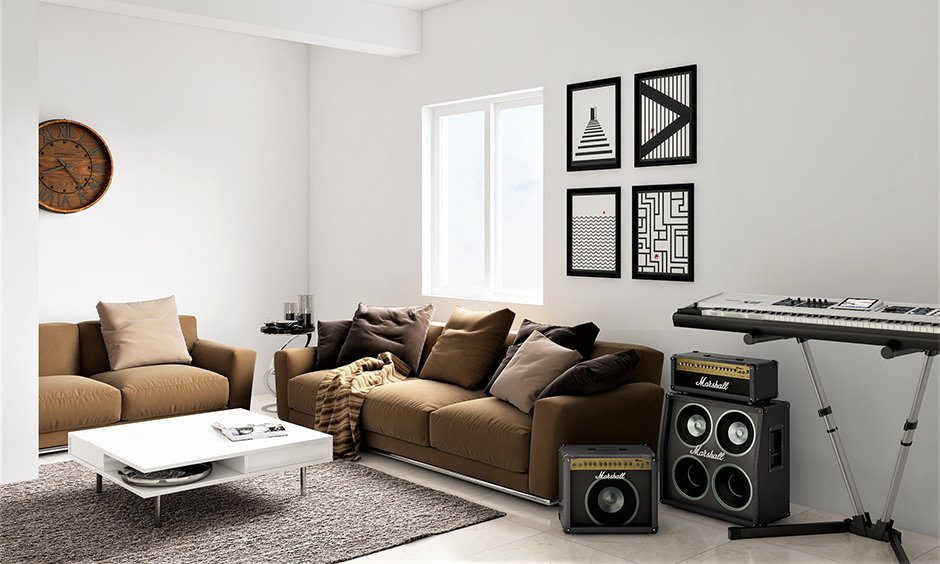
Today, that commercial monopoly has been completely dismantled. Walk into a modern producer’s space, and you are likely to find a streamlined setup sitting on a bedroom desk: a laptop, an audio interface, a pair of studio monitors, and a condenser microphone. The rise of the high-fidelity home studio has democratized music creation, shifting the industry from a corporate hierarchy into an open, decentralized landscape. Here is how home studios are permanently rewriting the rules of modern music production.
1. Reclaiming Time: The Death of the Hourly Clock
The most profound impact of the home studio is the complete elimination of financial time pressure. In a commercial studio, the clock is an omnipresent enemy. Artists often felt rushed to deliver a performance or wrap up a mix before their budget ran out, which frequently stifled spontaneous experimentation and creative risk-taking.
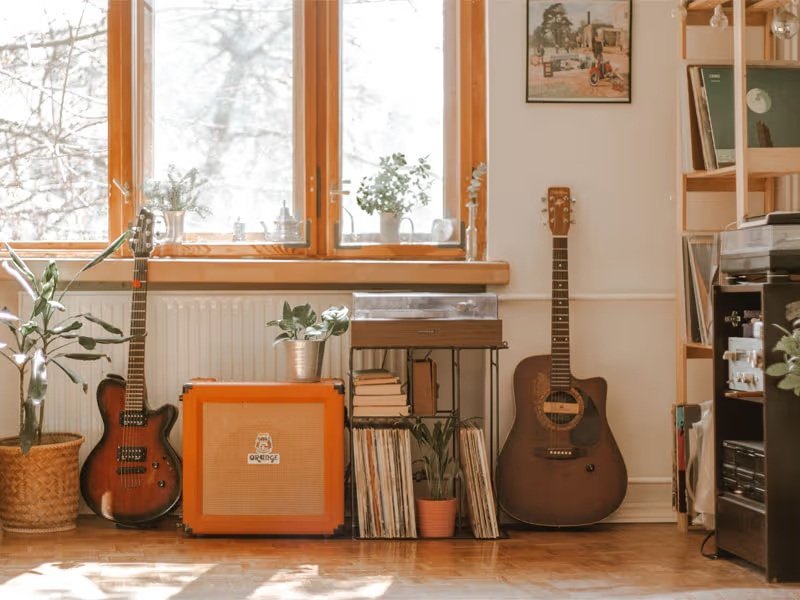
A home studio flips this dynamic entirely by offering infinite time. When the cost of ownership is reduced to a one-time equipment investment, the studio becomes a low-stress laboratory. An artist can spend three days perfecting the texture of a single synthesizer patch, record twenty different vocal takes at 3:00 AM in their pajamas, or completely scrap a song arrangement and start over without facing a financial penalty. This absolute freedom allows for deeper creative exploration, leading to highly idiosyncratic, boundary-pushing sonics that rarely emerge from rigid, time-constrained environments.
2. The Power of the “All-in-One” Bedroom Producer
In the traditional recording era, music production was defined by a strict division of labor. A project required a distinct songwriter, an arranger, a recording engineer, a mixing engineer, and a producer—each specializing in a single phase of the sonic pipeline.
[Traditional Studio] ──> Songwriter ──> Engineer ──> Producer ──> Mixing (High Cost)
[Modern Home Studio] ──> The All-in-One Bedroom Producer (Infinite Creative Time)
The home studio environment, powered by modern Digital Audio Workstations (DAWs) like Ableton Live, Logic Pro, and FL Studio, has collapsed these roles into a single entity: the “all-in-one” bedroom producer. Today’s creators write the melody, program the drums, engineer the vocal tracking, and mix the final master all within the same software ecosystem. This consolidation has radically accelerated the speed of music creation. A song conceived in a bedroom morning session can be fully produced, polished, and uploaded to global streaming platforms by nightfall, bypassing months of traditional label bureaucracy.
3. Sonic Democratization and the New Lo-Fi Aesthetic
Historically, “good” music production was judged strictly by an absolute standard of pristine, clinical clarity. Commercial studios spent decades trying to eliminate every ounce of background noise, room reflection, and analog imperfection.
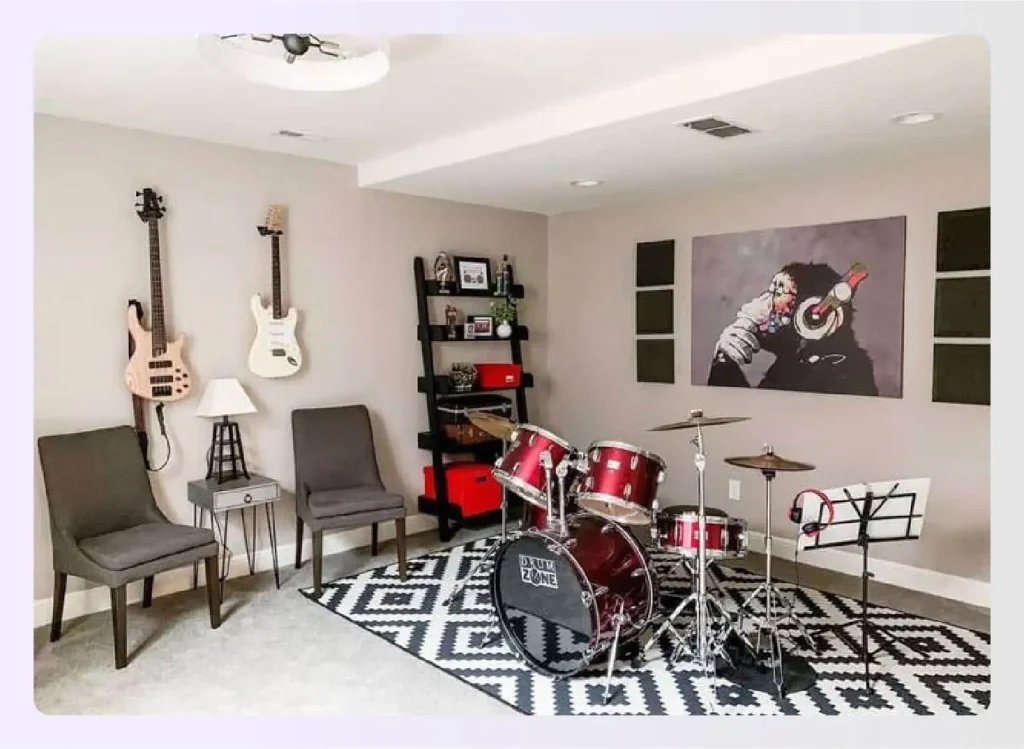
However, because home studios inherently operate in imperfect acoustic environments—like carpeted bedrooms or spare closets—creators began to embrace, rather than hide, these sonic quirks. This reality birthed a massive cultural shift in taste. The warm hiss of a cheap microphone, the ambient room bleed of a vocal track, and the unpolished textures of home gear have been elevated from “technical errors” to highly sought-after artistic choices. Genres like lo-fi hip-hop, bedroom pop, and indie electronic music are defined entirely by the intimate, unpolished aesthetic of the home studio. Audiences no longer demand sterile perfection; they crave the raw, human authenticity of a track recorded in a real living space.
Final Thoughts: Mindset Over Equipment
Ultimately, the home studio revolution has proven a fundamental truth about creativity: the quality of the music is dictated by the perspective of the creator, not the price tag of the gear. The democratization of technology has leveled the playing field, making it entirely possible for a kid with a used laptop to craft a chart-topping hit that competes directly with the biggest legacy studios in the world. By removing the financial barriers to entry and giving artists the space to create on their own terms, home studios haven’t just changed how music is produced—they have given the world a richer, more diverse, and profoundly more authentic sonic landscape.










Related Posts



Stay Informed With the Latest & Most Important News
Previous Post
Next Post












-
 01The Ultimate Guide to the Best Cat Food Brands for Indoor Cats in 2026
 -
 02The Core Toolkit: Essential Gear Every Music Creator Should Consider in 2026
 -
 03Essential Skills Every Professional Needs for Success in 2024
 -
 04Why Zelle & Modern Payment Apps Are Becoming Essential for Everyday Spending
 -
 05Sonder vs Vacasa: Why Vacation Rentals Are Replacing Traditional Hotel Stays
 -
 06Best Hotel Booking Tips to Get the Lowest Prices Every Time
 -
 07Beyond the Stripes: Why Fly Condor Airlines for Your Next Big Escape