

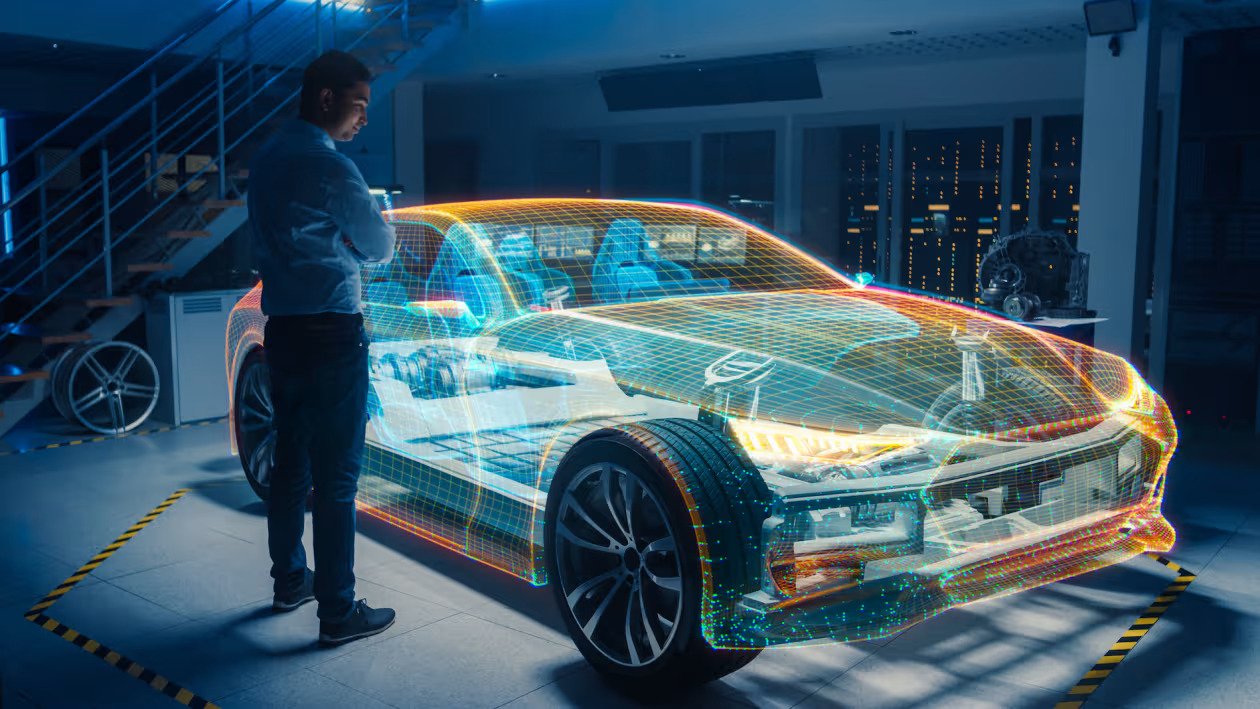
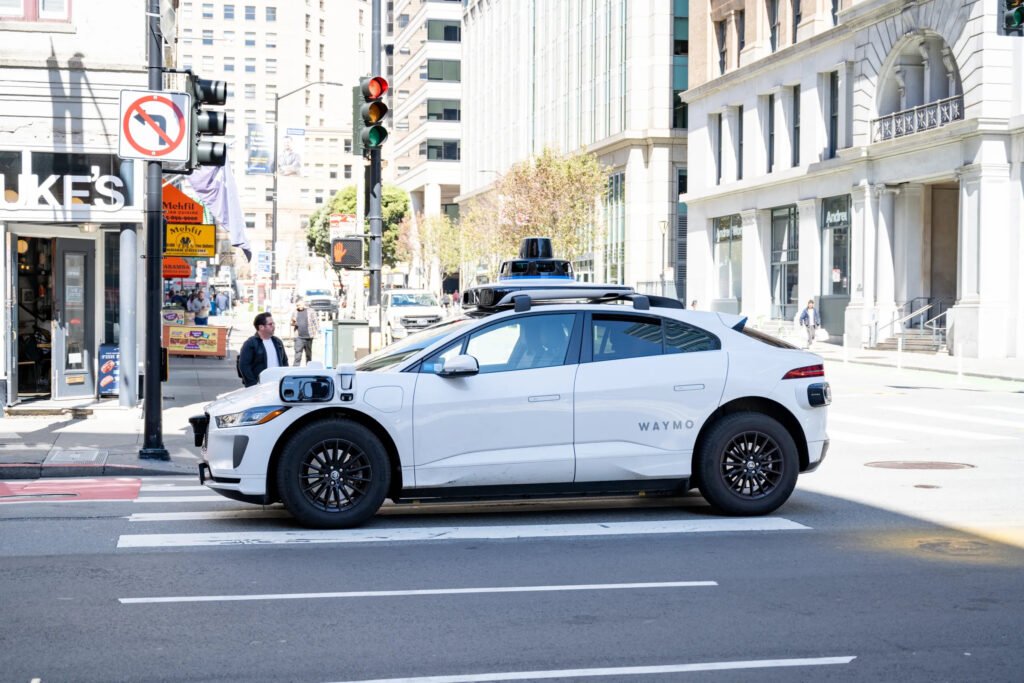
The automobile industry has changed dramatically over the past decade. Cars are no longer just machines used for transportation; they have become smart, connected, and highly advanced. Modern vehicles now come equipped with innovative technologies that improve safety, comfort, convenience, and driving experience. Many automobile companies such as Tesla, BMW, Toyota, and Mercedes-Benz are introducing smart features that make cars more intelligent than ever before.
These smart technologies are transforming how people drive and interact with their vehicles.
Advanced Driver Assistance Systems (ADAS)
One of the most important smart features in modern cars is Advanced Driver Assistance Systems, commonly known as ADAS. These technologies are designed to assist drivers and reduce the risk of accidents.
Features such as lane departure warning, adaptive cruise control, automatic emergency braking, and blind spot monitoring help drivers stay safe on the road. For example, if a car unintentionally drifts out of its lane, the system alerts the driver or even corrects the steering automatically.
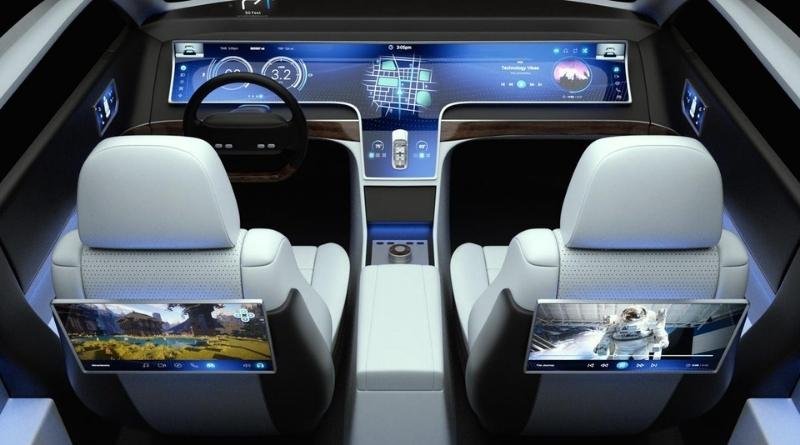
ADAS technologies are becoming increasingly common in modern vehicles and play a major role in improving road safety.
Touchscreen Infotainment Systems
Another popular smart feature in modern cars is the touchscreen infotainment system. These systems combine entertainment, navigation, and communication into a single interface.
Drivers can easily control music, phone calls, GPS navigation, and vehicle settings through the touchscreen. Many cars also support smartphone connectivity features like Apple CarPlay and Android Auto, allowing users to access apps, maps, and messages directly from the car’s display.
This technology makes driving more convenient and helps drivers stay connected while on the road.
Voice Control Technology
Voice control is another smart feature that is becoming increasingly popular in modern vehicles. Instead of manually operating buttons or screens, drivers can control various functions using voice commands.
For example, drivers can ask the car to play music, make phone calls, adjust air conditioning, or provide navigation directions. This reduces distractions and allows drivers to keep their hands on the steering wheel and eyes on the road.
Many luxury cars now include advanced voice assistants that function similarly to smartphone virtual assistants.
Smart Parking Assistance
Parking can sometimes be challenging, especially in crowded cities. Modern cars now include smart parking assistance systems that help drivers park easily and safely.
These systems use sensors and cameras to detect available parking spaces and guide the vehicle during the parking process. Some cars can even park themselves automatically with minimal driver input.
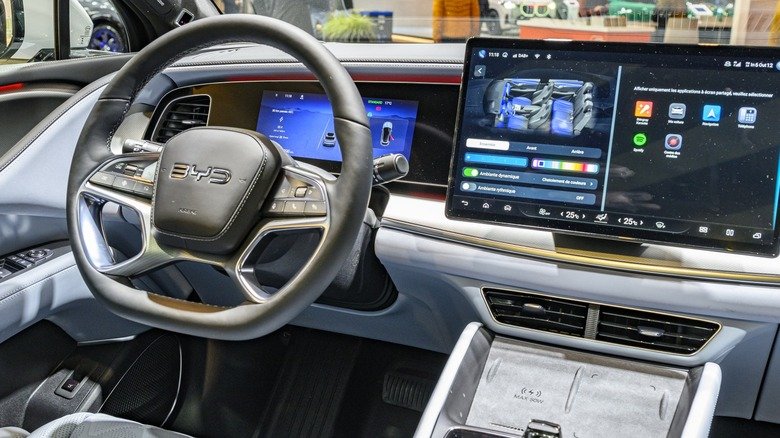
Features like 360-degree cameras and parking sensors make it easier to avoid obstacles and prevent minor accidents while parking.
Keyless Entry and Push-Button Start
Traditional car keys are gradually being replaced by smart key systems. Keyless entry allows drivers to unlock their cars automatically when they approach the vehicle with the key fob in their pocket or bag.
Once inside the car, the engine can be started using a simple push-button start instead of inserting a key into the ignition. This feature adds convenience and modern functionality to everyday driving.
Connected Car Technology
Modern cars are also becoming connected devices. Many vehicles now offer internet connectivity, allowing them to communicate with smartphones and other digital systems.
Connected car technology enables features such as remote vehicle tracking, remote locking and unlocking, vehicle diagnostics, and real-time traffic updates. Drivers can even control certain car functions through mobile apps.
This technology helps improve vehicle management and provides greater control over the driving experience.
Conclusion
Smart features in modern cars have completely transformed the way people drive and interact with their vehicles. Technologies such as advanced driver assistance systems, touchscreen infotainment systems, voice control, smart parking, keyless entry, and connected car technology are making cars safer, more comfortable, and more convenient.
As technology continues to advance, future cars will likely become even smarter, with more automation and intelligent systems. The integration of smart technology in automobiles is not only improving the driving experience but also shaping the future of transportation.










Stay Informed With the Latest & Most Important News
Previous Post
Next Post












-
 01The Bedroom Revolution: How Home Studios Are Changing Modern Music Production
 -
 02Spectacular Photos of Nature from the World’s Most Scenic Spots
 -
 03Best Out of Waste in the Kitchen: Turning Scraps into Smart Solutions
 -
 04The Core Toolkit: Essential Gear Every Music Creator Should Consider in 2026
 -
 05How Digital Banking Tools Are Simplifying Global Money Transfers
 -
 06A Journey to Sri Lanka: The Pearl of the Indian Ocean
 -
 07Why Freelancers Are Switching to Smarter International Payment Solutions