
Best Ways to Travel in Europe
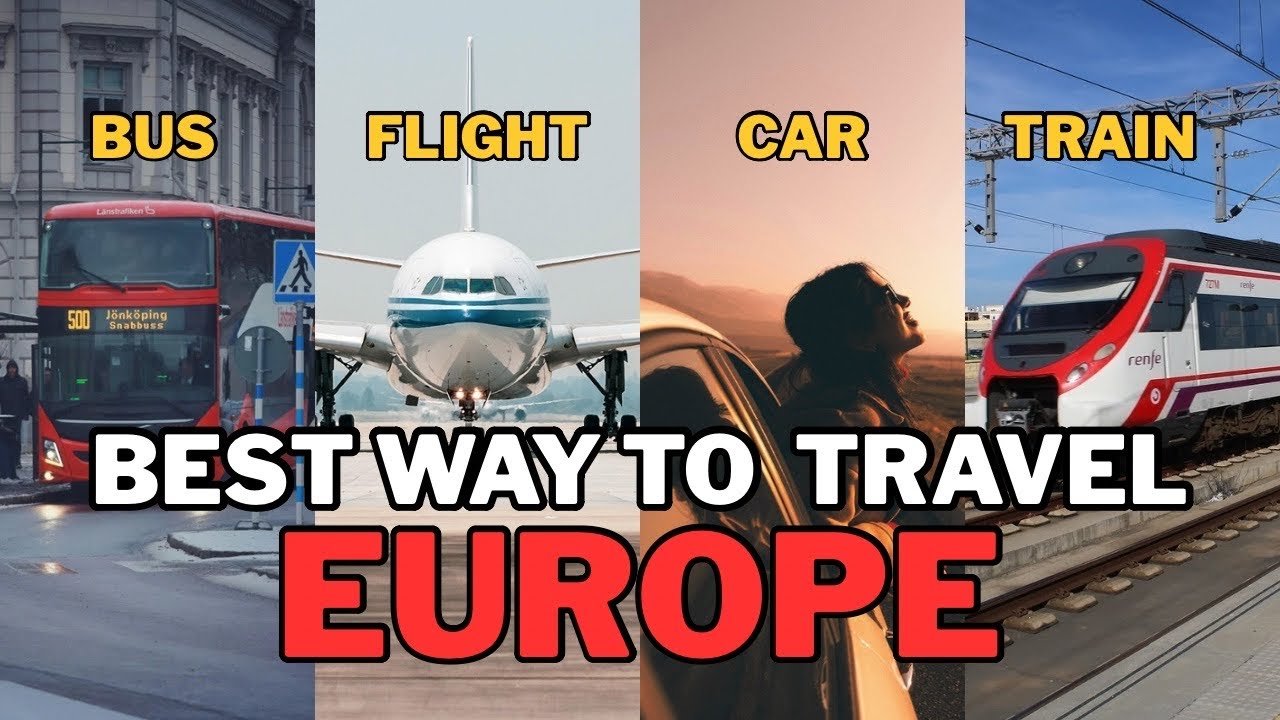
Europe is one of the most exciting continents for travelers because of how easily you can move between cities and countries. In just a few hours, you can travel from one culture to another, explore historic landmarks, enjoy different cuisines, and experience unique lifestyles. Thanks to its well-developed transportation system, traveling across Europe is convenient and efficient. The three most popular ways to travel between European destinations are trains, buses, and flights. Each option has its advantages depending on your budget, time, and travel style.
Understanding the differences between these options can help you plan a smoother and more enjoyable European trip.
Train Travel: Comfortable and Scenic
Train travel is often considered the best way to explore Europe. The continent has one of the most advanced railway networks in the world, connecting major cities and even small towns. High-speed trains allow travelers to reach their destinations quickly while enjoying scenic views along the journey.
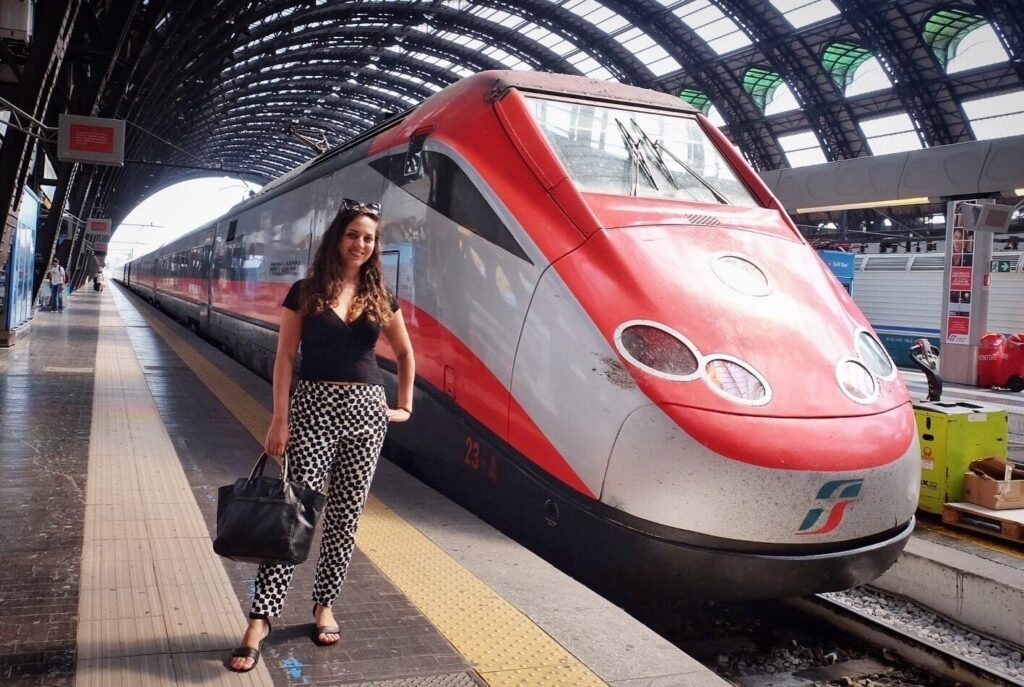
One of the biggest advantages of trains is convenience. Most train stations are located in city centers, making it easier to reach hotels, attractions, and restaurants without additional transportation. Travelers also avoid long airport security lines and baggage restrictions.
Another benefit of train travel is comfort. Modern trains offer spacious seating, onboard cafes, charging ports, and Wi-Fi. Travelers can move around freely during the journey and enjoy the landscape outside their window.
However, train tickets can sometimes be expensive, especially if booked at the last minute. Booking in advance or purchasing rail passes can help reduce costs significantly.
Bus Travel: Budget-Friendly Option
For travelers on a tight budget, buses are often the most affordable way to travel in Europe. Bus companies operate extensive routes across the continent, connecting major cities as well as smaller towns.
Although bus journeys are usually slower than trains or flights, they can be significantly cheaper. Many modern buses provide comfortable seats, air conditioning, free Wi-Fi, and charging ports, making long journeys more manageable.
Bus travel is especially popular among students, backpackers, and budget travelers who want to explore Europe without spending too much money on transportation.
Another advantage is that buses often operate overnight routes, allowing travelers to save on accommodation costs while reaching their destination the next morning.
The main drawback of buses is travel time. Depending on the distance, journeys can take several hours longer compared to trains or flights.
Flights: Fastest for Long Distances
Flights are the fastest way to travel between distant European cities. With the rise of budget airlines, flying has become more affordable than ever. Travelers can often find cheap flight deals that cost less than train tickets.
Flights are particularly useful for long-distance routes, such as traveling from Spain to Eastern Europe or from Italy to Northern Europe. Instead of spending an entire day on a train or bus, travelers can reach their destination in just a few hours.
However, flying also involves additional steps such as airport security checks, early arrival requirements, and travel from airports to city centers. Budget airlines may also charge extra fees for baggage and seat selection.
Because of these factors, flights are best suited for longer distances rather than short trips between nearby cities.
Comparing the Options
Each travel option offers different benefits depending on the situation. Trains provide a balance between comfort and speed, making them ideal for medium-distance travel. Buses are the best option for travelers who want to save money and do not mind longer travel times. Flights are the fastest choice for long-distance travel across Europe.

Many experienced travelers combine these options during their trip. For example, they may take trains between nearby cities, use buses for budget travel, and choose flights for longer distances.
Conclusion
Europe offers one of the most efficient transportation networks in the world, making it easy to explore multiple destinations in a single trip. Whether you choose trains, buses, or flights, each option provides a unique travel experience.
Trains offer comfort and scenic journeys, buses provide the most affordable transportation, and flights save time for long-distance travel. By understanding the advantages of each option and planning carefully, travelers can choose the best way to move across Europe and enjoy an unforgettable adventure in 2026.










Related Posts



Stay Informed With the Latest & Most Important News
Previous Post
Next Post
Previous Post

Next Post











-
 01How to Book Cheap Airport Lounge Access Before Your Next Flight
 -
 02Best Outdoor Adventure Gear for Camping, Hiking & Fishing in 2026
 -
 03Le guide ultime des projets de rénovation de la maison en 2026
 -
 04Secure Digital Payment Solutions for Modern Online Businesses
 -
 05Dymocks: The Ultimate Gift Guide for Book Lovers
 -
 06Eco-Friendly Home Improvement Ideas: Build a Greener, Smarter Living Space
 -
 07Top Tips to Stay Motivated and Avoid Burnout While Working Remotely