

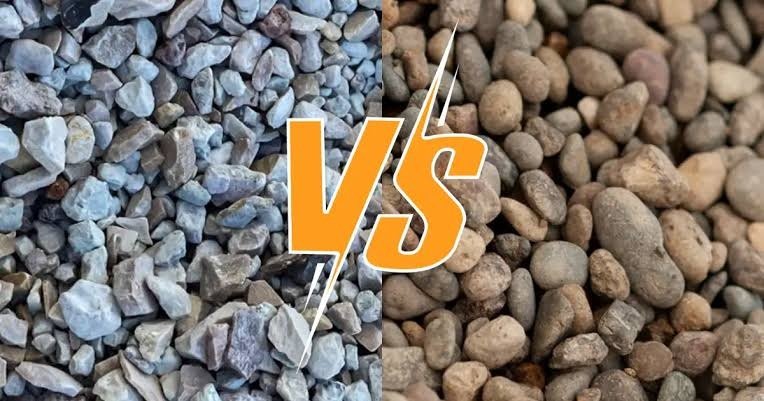
Choosing the right aggregate is an important part of any landscaping, construction, or home improvement project. Gravel and crushed stone are two popular materials used for driveways, pathways, drainage systems, garden beds, and building foundations. Although they may look similar at first glance, their differences in shape, texture, stability, and drainage can affect how well they perform.
Understanding these differences will help you select the material that suits your project’s requirements, appearance, and budget.
What Is Gravel?
Gravel is a naturally occurring aggregate made up of small rock fragments. It is commonly formed through weathering and erosion, with water and other natural processes gradually breaking down larger rocks. As a result, gravel particles often have rounded or relatively smooth edges.
Gravel is available in different sizes, colours, and compositions, depending on its source. It is frequently used for decorative landscaping, garden paths, driveways, and drainage applications.
One of gravel’s biggest advantages is its natural appearance. Rounded stones can create an attractive finish around flower beds, outdoor seating areas, and walkways. However, because the particles do not always interlock tightly, some types of gravel may shift under heavy traffic.
What Is Crushed Stone?
Crushed stone is manufactured by mechanically breaking larger rocks into smaller pieces. Common source materials include limestone, granite, and other durable rock types. The crushing process produces angular particles with rough edges.
These angular shapes help the stones fit together and create a more stable surface when properly compacted. Crushed stone is therefore widely used in road construction, building foundations, concrete production, and driveway bases.
Different grades are available for different purposes. Larger pieces may provide structural support, while smaller crushed aggregates and stone dust can help create a compact, relatively even base.
Gravel vs Crushed Stone: Key Differences
1. Shape and Texture
The most noticeable difference is particle shape. Gravel generally has rounded or smoother edges, while crushed stone has angular, irregular surfaces.
Gravel is often preferred when appearance and comfortable walking surfaces are priorities. Crushed stone is typically more suitable when the material needs to lock together and provide a firm foundation.
2. Stability and Compaction
Crushed stone usually offers better interlocking because of its angular particles. When placed in suitable layers and compacted correctly, it can create a stable base for driveways, patios, and construction projects.
Gravel can also work well for driveways and pathways, but loose particles may move under repeated vehicle or foot traffic. The right particle size and a properly prepared base can help improve performance.
3. Drainage Performance
Both materials can support drainage, but the results depend on particle size, grading, fines content, and installation.
Clean, uniformly sized gravel often allows water to pass through the spaces between stones. Crushed stone can also provide effective drainage when the selected grade contains limited fine particles.
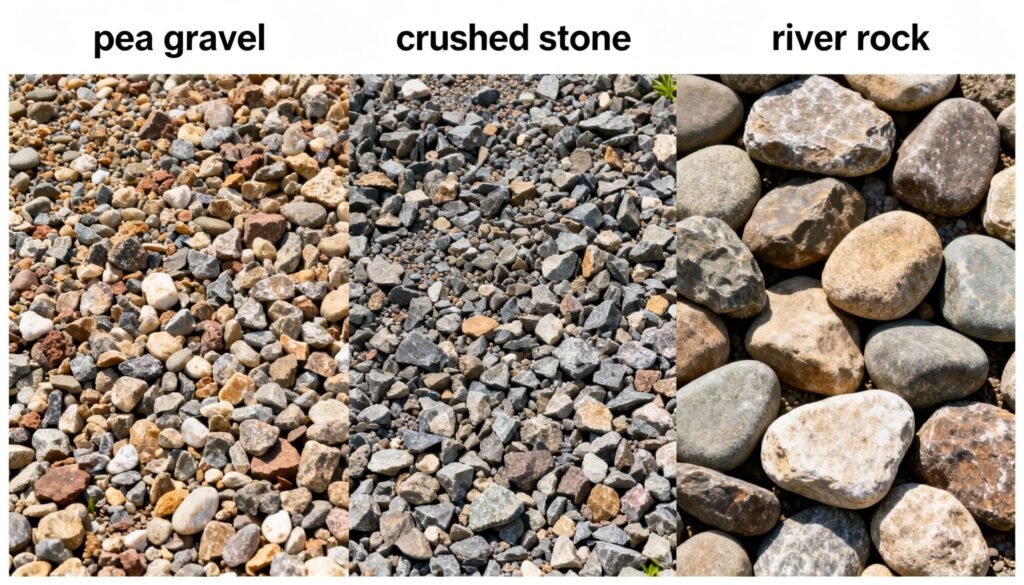
For drainage trenches or French drains, choose an appropriate clean aggregate and follow the project’s drainage specifications rather than selecting material based on its name alone.
4. Appearance and Landscaping
Gravel is a popular choice for decorative landscaping because its natural colours and rounded shapes can complement gardens and outdoor spaces.
Crushed stone offers a more rugged, structured appearance. It can work well beneath pavers, along construction edges, or in contemporary landscape designs.
Consider the overall style of your outdoor space when choosing between the two.
5. Cost and Availability
The cost of gravel and crushed stone varies according to location, material type, quantity, delivery distance, and local supplier rates. Neither option is always cheaper.
Compare delivered prices rather than material prices alone. You should also account for excavation, base preparation, edging, compaction equipment, and future maintenance when estimating your total project cost.
Which Material Should You Choose?
Choose gravel for decorative garden areas, natural-looking paths, and suitable drainage applications. Crushed stone is generally a stronger choice for compacted driveway bases, foundations, and other projects requiring structural stability.
For some installations, using both materials makes sense: crushed stone can provide a firm base, while gravel creates an attractive finished surface.
Final Thoughts
Gravel and crushed stone each offer practical benefits, but the best choice depends on how the material will be used. Consider stability, drainage, appearance, maintenance, and total installation costs before purchasing.
If your project involves a foundation, retaining structure, or engineered drainage system, consult the relevant specifications or a qualified professional. Choosing the right aggregate from the beginning can improve durability, reduce maintenance, and help your project deliver lasting results.










Related Posts



Stay Informed With the Latest & Most Important News
Previous Post
Next Post












-
 01Fashion Trends Around the World
-
 02Active Learning vs. Passive Learning: Which Is Better?
-
 03How to Find Affordable Train Tickets Across the UK
-
 04Antarctica Beyond the Ice: A Traveler’s Guide to the White Continent
-
 05Use OpenArt AI to Visualise Your Next DIY Project
-
 06From Idea to App: How Emergent Is Simplifying Software Development
-
 07The Dual Pillars of Radiant Skin: The Vital Roles of Hydration and Nourishment