
Stand or Sit? Standing Desk vs. Traditional Desk: Which One Is Better for Remote Work?

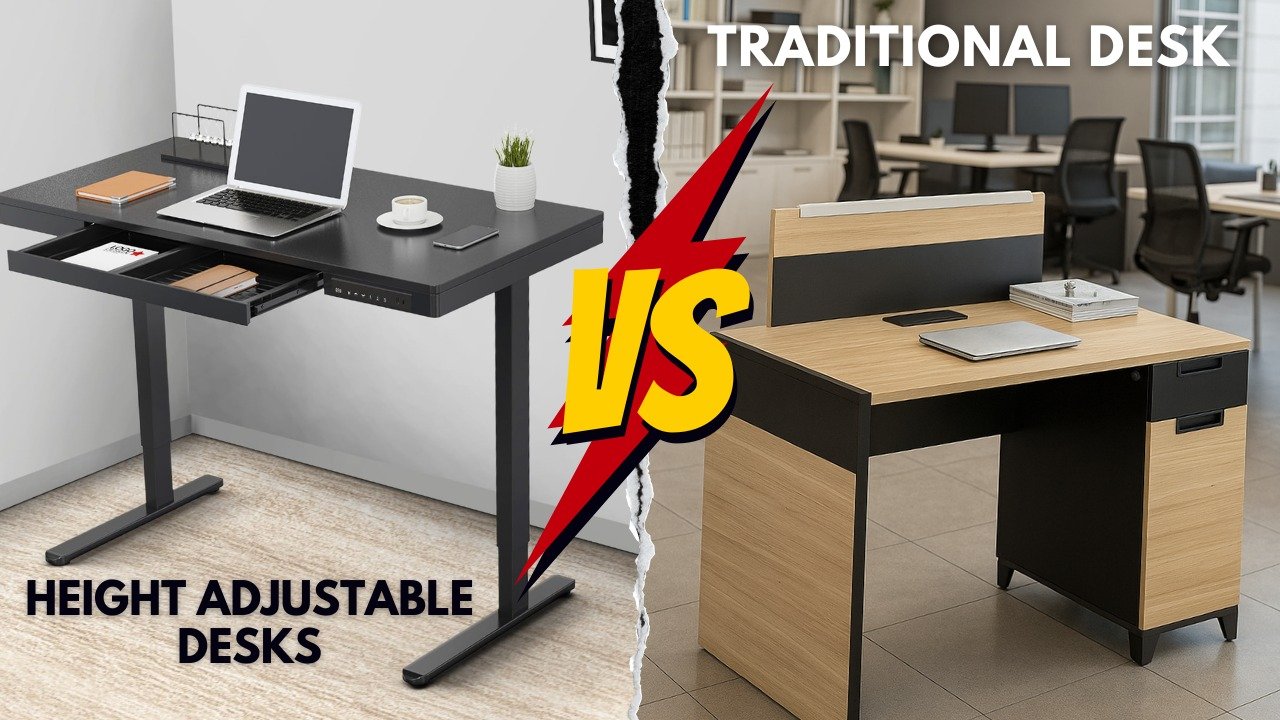
Remote work has transformed the modern workplace, making the home office an essential part of daily life. As people spend long hours working from home, choosing the right desk has become more important than ever. Two of the most popular options are standing desks and traditional desks. While both serve the same basic purpose, they offer different benefits depending on your work style, comfort, and health goals.
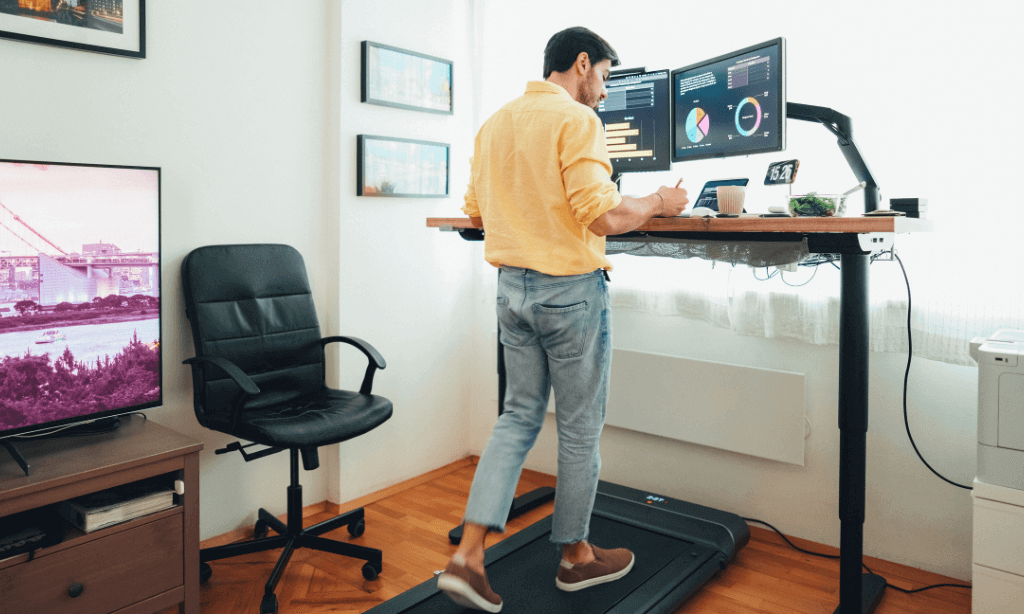
So, which one is better for remote work? Let’s compare the two to help you make an informed decision.
What Is a Standing Desk?
A standing desk is designed to allow users to work while standing. Many modern versions are height-adjustable, making it easy to switch between sitting and standing throughout the day. This flexibility has made standing desks increasingly popular among remote workers seeking a healthier and more active workspace.
Some models are manually adjustable, while others feature electric controls for quick height changes.
What Is a Traditional Desk?
A traditional desk is the classic workstation designed for seated work. It provides a stable surface for computers, paperwork, and office accessories and remains the most common choice for home offices.
Traditional desks are available in various sizes, materials, and styles, making them suitable for almost any workspace or budget.
Health Benefits of a Standing Desk
One of the biggest reasons people choose standing desks is to reduce the amount of time spent sitting.
Alternating between sitting and standing may help:
- Reduce prolonged sedentary time
- Improve posture
- Encourage more movement during the day
- Increase energy levels for some users
- Reduce stiffness caused by remaining seated for long periods
However, standing continuously without breaks can also cause discomfort. The greatest benefit comes from regularly changing positions rather than standing all day.
Advantages of a Traditional Desk
Traditional desks continue to be a practical and comfortable choice for many professionals.
They offer several benefits:
- Comfortable for extended computer work
- Stable work surface
- Usually more affordable
- Greater design variety
- Compatible with most office chairs
When paired with an ergonomic chair and proper posture, a traditional desk can support productive and comfortable work sessions.
Productivity and Focus
The impact of desk choice on productivity varies from person to person.

Some remote workers find that standing helps them stay alert and focused, particularly during virtual meetings or creative tasks. Others prefer sitting for activities that require intense concentration, detailed writing, or extended computer use.
An adjustable standing desk offers the flexibility to choose the most comfortable position depending on the task at hand.
Space and Budget Considerations
Traditional desks are generally more affordable and widely available. They also come in compact designs suitable for small apartments or dedicated home offices.
Standing desks, particularly electric height-adjustable models, often cost more but provide additional flexibility. Before purchasing, consider your available space, budget, and long-term work habits.
Investing in quality office furniture can improve comfort and productivity over time.
Creating an Ergonomic Workspace
Regardless of which desk you choose, proper ergonomics are essential.
For both standing and traditional desks:
- Position the monitor at eye level.
- Keep elbows at roughly 90 degrees while typing.
- Place feet flat on the floor or on a footrest.
- Use an ergonomic keyboard and mouse if needed.
- Take short movement breaks every hour.
A well-designed workstation often has a greater impact on comfort than the desk itself.
Which Desk Is Right for You?
The best desk depends on your individual needs.
A standing desk may be ideal if you:
- Want greater flexibility throughout the day.
- Prefer alternating between sitting and standing.
- Spend long hours working from home.
- Want to encourage more movement.
A traditional desk may be the better choice if you:
- Primarily work while seated.
- Have a limited budget.
- Prefer a simple, stable setup.
- Already use an ergonomic chair and workstation.
Many remote workers find that a height-adjustable desk offers the best of both worlds by supporting both sitting and standing positions.
Final Thoughts
The debate between standing desks and traditional desks isn’t about declaring one the universal winner. Both options can support a productive and comfortable remote work experience when used correctly.
The key is to create a workspace that encourages good posture, regular movement, and ergonomic habits. Rather than sitting or standing all day, experts generally recommend changing positions throughout the day, stretching regularly, and taking short walking breaks. By choosing a desk that fits your work style and combining it with healthy habits, you can build a home office that supports both productivity and long-term well-being.










Related Posts



Stay Informed With the Latest & Most Important News
Previous Post
Next Post











-
 01The Sensorial Shift: Discover the Latest Trends in Beauty, Skincare, and Fragrances
 -
 02Celebrities Making Headlines with Climate Activism and Awareness
 -
 03Klook vs Sonder: Why Travelers Are Choosing Flexible Online Booking Platforms
 -
 04The Ultimate Skincare Routine for Every Skin Type
 -
 05Find the Best Hotel Deals on Booking.com: A Complete Guide
 -
 06How to Become Fluent in a Foreign Language Through Daily Practice
 -
 07Healthy Meal Delivery Ideas for Busy Professionals