
The Pace of Modern Life: How Running Culture Is Rewriting the Rules of Fashion and Fitness

Not too long ago, running was widely viewed as a form of solitary penance. It was a sport defined by lonely morning miles, worn-out t-shirts, and a grueling “no pain, no gain” mentality. If you saw someone sprinting down a city street in technical gear, you safely assumed they were training for a marathon or running late for a bus.
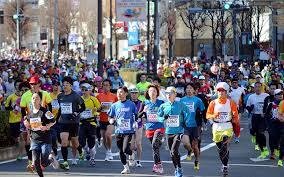
Today, that insular, purely functional world has completely cracked open. Running has undergone a massive cultural glow-up, transforming from a basic cardiovascular workout into a dominant, highly social lifestyle movement. Walk into any metropolitan coffee shop on a Saturday morning, and you will see the evidence: crowds of people socializing in aerodynamic sunglasses, premium running vests, and thick-soled performance shoes. Running culture has officially leaked into our everyday lives, permanently shifting how we dress, how we socialize, and how we approach personal fitness. Here is how the sport is redefining modern lifestyle architecture.
1. The Death of Athleisure and the Rise of “Performance Chic”
For the past decade, the casual clothing market was dominated by traditional athleisure—think comfortable sweatpants and basic yoga leggings designed primarily for lounging. However, modern style has shifted toward what trend forecasters call “performance chic.” Consumers are bypassing purely cozy fabrics in favor of highly technical, elite-grade running apparel engineered for the elements.
This aesthetic evolution is anchored in a philosophy of urban preparedness. City dwellers are trading classic denim and structured jackets for moisture-wicking windbreakers, water-resistant technical shells, and split-shorts with built-in utility pockets. The color palette has also matured; the neon highlights of the early 2000s have been replaced by sophisticated, muted earth tones—like slate grey, olive green, espresso, and warm sand. This allows a runner to transition seamlessly from a 5K time trial to a casual business meeting or a lunch date without looking out of place. You are no longer just dressing for comfort; you are dressing with athletic intent.
2. The Super-Trainer as the Ultimate Footwear Icon
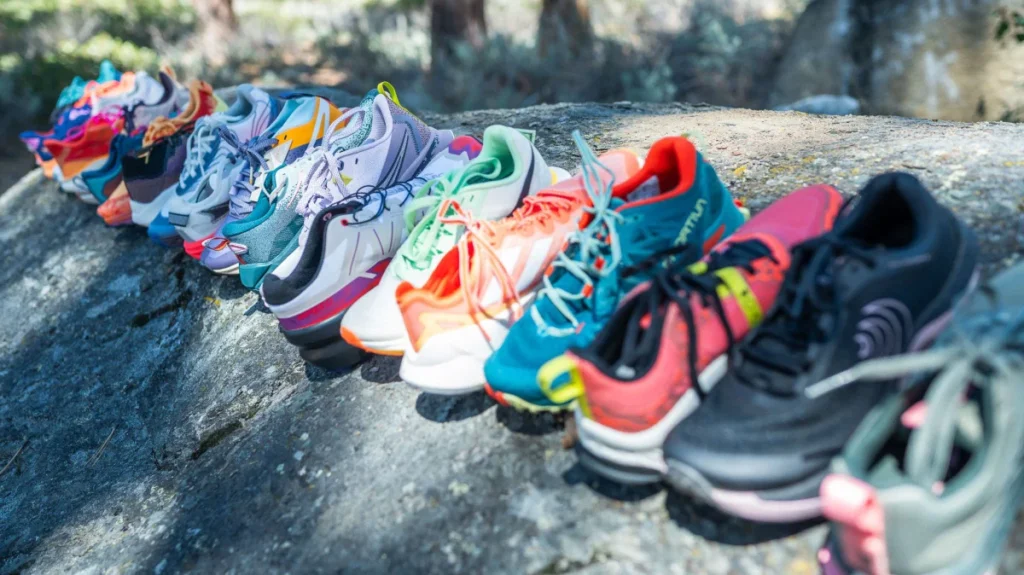
The most obvious intersection of running and fashion is happening at ground level. Premium performance running shoes—specifically “super trainers” featuring massive stacks of high-energy-return foam—have completely overtaken the lifestyle footwear market.

[Traditional Sneaker] ──> Heavy, flat, purely aesthetic.
[Modern Super Trainer] ──> High-stack foam, ergonomic rock, all-day joint recovery.
Brands like Hoka, On, ASICS, and Salomon are no longer restricted to specialized track shops; they are definitive street-style staples worn with everything from tailored suits to casual summer dresses. This shift isn’t just about looks; it is about biological luxury. Once everyday consumers experience the plush cushioning and ergonomic “rocker” geometry of a shoe designed to absorb hundreds of miles of asphalt impact, flat-soled lifestyle sneakers simply cannot compete. Choosing a running shoe has become an investment in daily joint health and all-day comfort.
3. Fitness Reframed: From Lonely Miles to Social Ecosystems
Beyond the wardrobe, running culture has completely upended the fitness landscape by turning a traditionally solitary sport into the ultimate community builder.
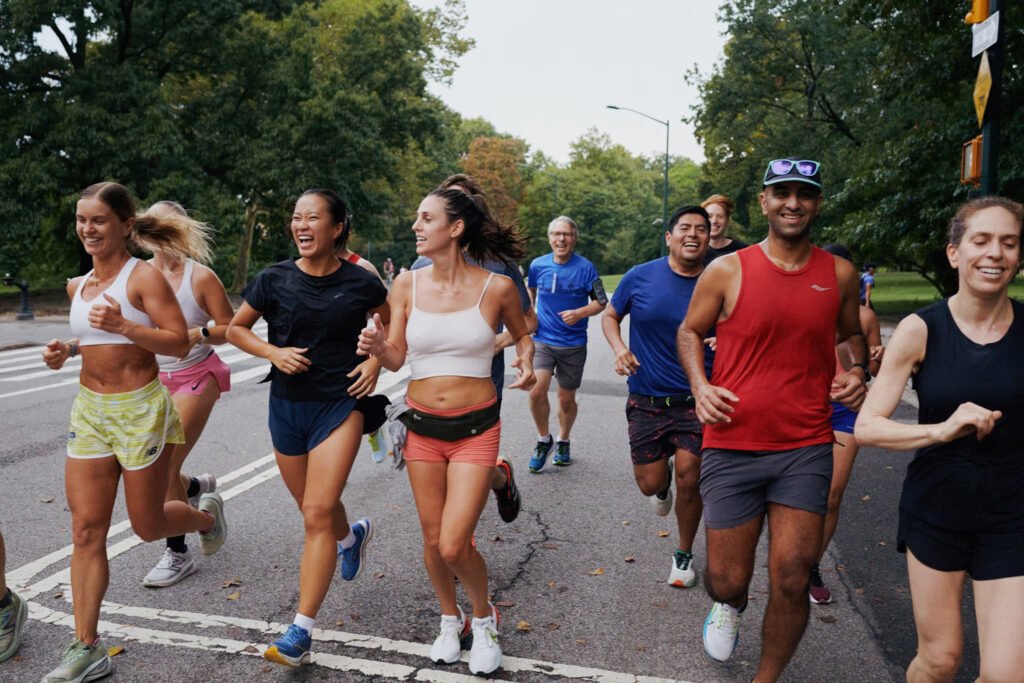
For a new generation of fitness enthusiasts, local run clubs have effectively replaced bars, nightclubs, and traditional networking events. These groups are structured entirely around inclusivity, offering various pace groups that cater to casual “hobby joggers” just as much as competitive athletes. Tech platforms like Strava have turned daily workouts into social media feeds, where sharing your route, pace, and post-run coffee spot is a central part of the ritual. Fitness is no longer an isolated chore to check off in a dark gym; it is a collaborative, outdoor ecosystem centered on mental health, mutual encouragement, and social connection.
Final Thoughts: Movement as a Lifestyle
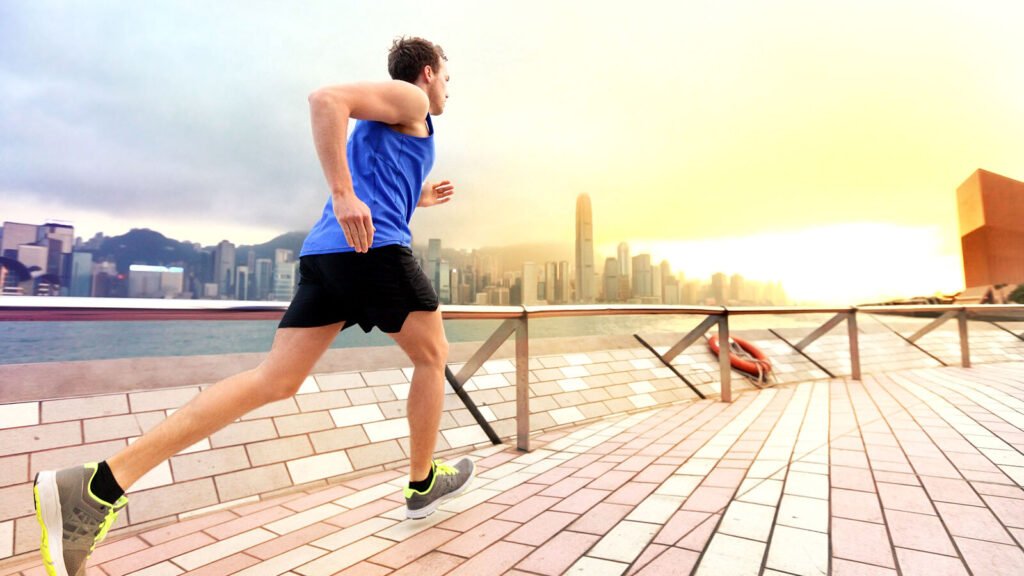
Ultimately, the runaway success of running culture proves that modern consumers are looking for absolute versatility. We live in a fast-paced world where the boundaries between work, fitness, and socializing are constantly blurring. By embracing the gear, the footwear, and the community of the running world, we aren’t just participating in a transient style trend. We are adopting a practical, high-utility toolkit that keeps us moving comfortably, looking sharp, and staying connected to the world around us.










Related Posts
Stay Informed With the Latest & Most Important News
Previous Post
Next Post












-
 01How to Find Reliable Wholesale Suppliers for Your Online Store
 -
 02Latest Food Trends in 2026
 -
 03How to Build a Professional Website from Scratch in 2026
 -
 04edX: Learn New Skills and Advance Your Career Online
 -
 05Best Personal Loan Apps & Platforms in 2026
 -
 06How Time in Nature Boosts Mental Health and Reduces Stress
 -
 0715 Elegant Date Night Outfit Ideas That Never Go Out of Style