
Best Out of Waste in the Kitchen: Turning Scraps into Smart Solutions


In today’s world, reducing waste and living sustainably has become more important than ever. One of the easiest places to start is our kitchen. Every day, households throw away vegetable peels, fruit scraps, leftover food, and other materials that could still be useful. The concept of “best out of waste” encourages us to reuse and repurpose these items creatively instead of discarding them. By adopting a few simple habits, we can reduce food waste, save money, and contribute to a healthier environment.
Understanding Kitchen Waste
Kitchen waste mainly consists of food scraps such as vegetable peels, fruit skins, seeds, leftover food, and expired ingredients. Many people consider these items useless and throw them away without realizing their potential. In reality, a large portion of kitchen waste can be reused in cooking, gardening, cleaning, or even home décor.
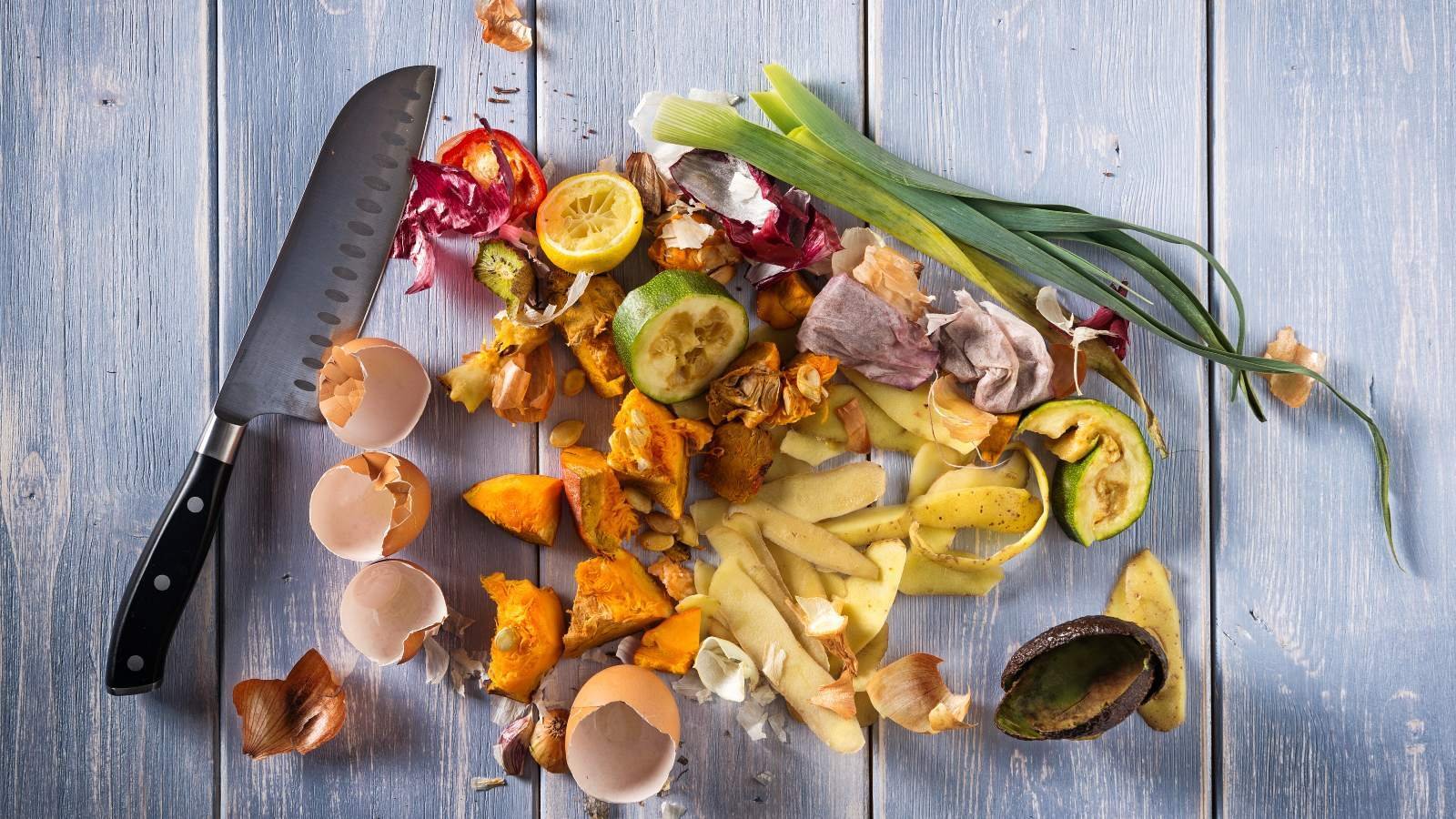
Making the best out of kitchen waste not only reduces garbage but also encourages creativity and resourcefulness in daily life.
Creative Ways to Reuse Kitchen Waste
1. Vegetable Peels for Broth
Vegetable peels from potatoes, carrots, onions, and garlic can be used to prepare a nutritious homemade vegetable broth. Instead of throwing them away, collect the peels in a container and boil them with herbs and spices. This broth can be used as a base for soups, curries, and sauces, adding both flavor and nutrients.
2. Fruit Peels for Natural Cleaners
Fruit peels, especially from citrus fruits like oranges and lemons, can be turned into natural cleaning solutions. When soaked in vinegar for a few days, these peels create a powerful homemade cleaner that can be used to clean kitchen counters, sinks, and appliances. It is an eco-friendly alternative to chemical cleaning products.
3. Compost for Gardening
One of the most popular ways to reuse kitchen waste is composting. Vegetable scraps, fruit peels, tea leaves, and coffee grounds can be turned into organic compost. This compost acts as a natural fertilizer for plants and improves soil quality in home gardens. Composting also helps reduce the amount of waste sent to landfills.
4. Leftover Food Transformation
Leftover food can often be turned into completely new dishes. For example, leftover rice can be used to make fried rice, rice pancakes, or rice pudding. Extra vegetables can be added to omelets, sandwiches, or wraps. By being creative in the kitchen, leftovers can become delicious meals instead of waste.
5. DIY Kitchen Decorations
Certain kitchen items can also be used for creative decoration. Glass jars from sauces or pickles can be cleaned and reused as storage containers or flower vases. Egg cartons can be used for planting seedlings, while bottle caps can be turned into small craft items. These simple ideas help reduce waste while adding creativity to your home.
Benefits of Reducing Kitchen Waste
Practicing “best out of waste” in the kitchen has several benefits. First, it reduces the amount of garbage produced in households, which helps protect the environment. Food waste in landfills produces harmful gases such as methane, which contributes to climate change.
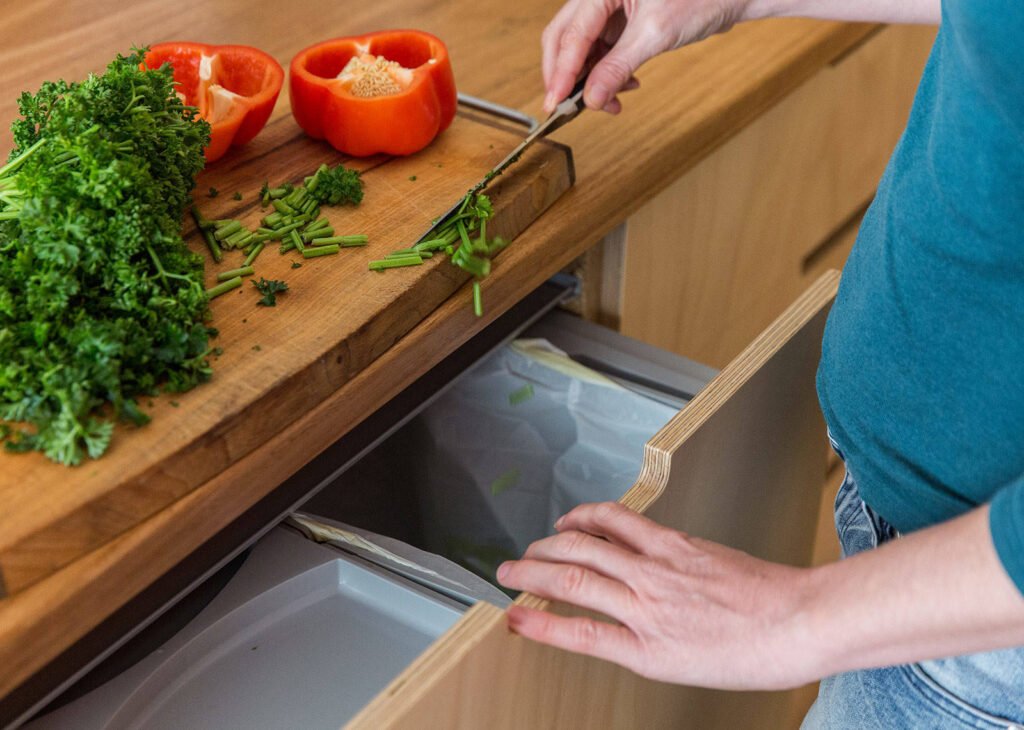
Second, reusing kitchen scraps helps save money. When ingredients are fully utilized, households spend less on groceries and waste fewer resources.
Third, it encourages sustainable living habits. When people become more aware of how much food they waste, they start planning meals better and using ingredients more efficiently.
Encouraging Sustainable Kitchen Practices
To successfully reduce kitchen waste, families can start by planning meals, storing food properly, and using leftovers creatively. Small steps such as separating biodegradable waste for composting and reusing containers can make a big difference over time.
Teaching children about waste reduction and involving them in recycling or composting activities can also help build environmentally responsible habits for the future.
Conclusion
Making the best out of kitchen waste is a simple yet powerful way to live sustainably. By reusing vegetable peels, transforming leftovers, composting scraps, and creating useful items from discarded materials, households can significantly reduce waste. These small actions not only benefit the environment but also promote creativity and mindful living. Ultimately, turning kitchen waste into something useful proves that with a little imagination, what seems like waste can become a valuable resource.










Related Posts



Stay Informed With the Latest & Most Important News
Previous Post
Next Post
Previous Post

Next Post











-
 01The Art of Romanticizing Your Everyday Life: Finding Joy in the Ordinary
 -
 02Stand or Sit? Standing Desk vs. Traditional Desk: Which One Is Better for Remote Work?
 -
 03Common Language Learning Mistakes and How to Avoid Them
 -
 04Comment créer un espace de vie extérieur parfait
 -
 05Vrbo vs Airbnb: Which Vacation Rental Platform Should You Choose?
 -
 06Why Eurostar Is Still the Best Way to Travel from London to Paris
 -
 07Online Clothing Shopping: Convenience, Choice, and the Future of Fashion