
Eco-Friendly Home Improvement Ideas: Build a Greener, Smarter Living Space

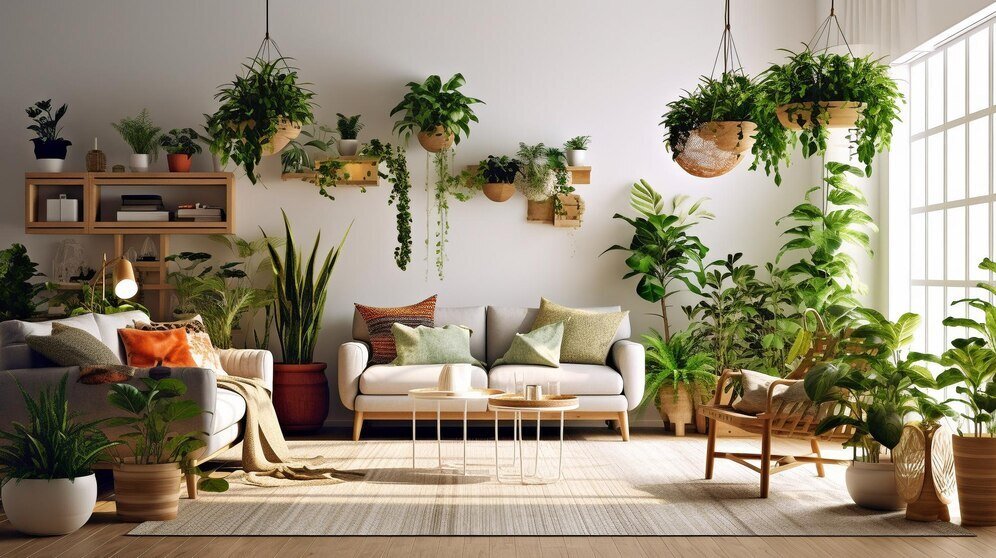
Sustainability is no longer just a trend — it’s a lifestyle choice that is transforming how we design, renovate, and maintain our homes. Eco-friendly home improvement focuses on reducing environmental impact, conserving energy, and creating healthier living spaces. The good news? You don’t need a massive renovation budget to make meaningful changes. Small, conscious upgrades can significantly improve your home’s efficiency and sustainability.
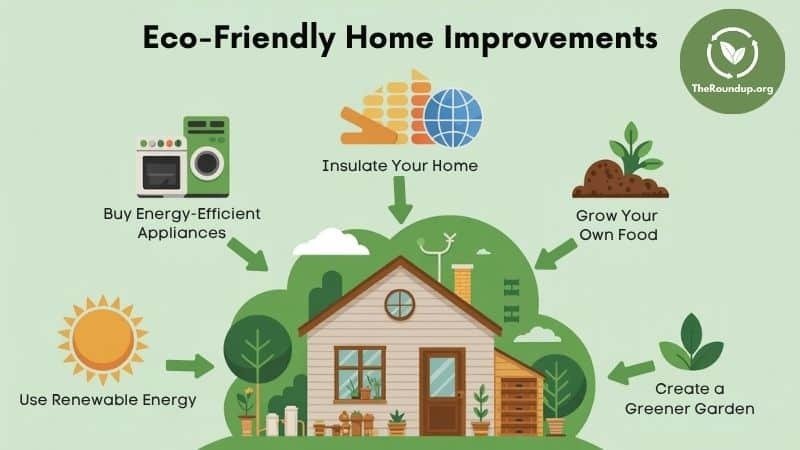
Here are practical and impactful eco-friendly home improvement ideas to help you build a greener, smarter living space.
1. Upgrade to Energy-Efficient Lighting
One of the simplest ways to reduce your carbon footprint is by switching to LED lighting. LED bulbs use significantly less energy than traditional incandescent bulbs and last much longer, which means fewer replacements and less waste. Smart lighting systems that automatically adjust brightness or switch off when not in use can further reduce electricity consumption.
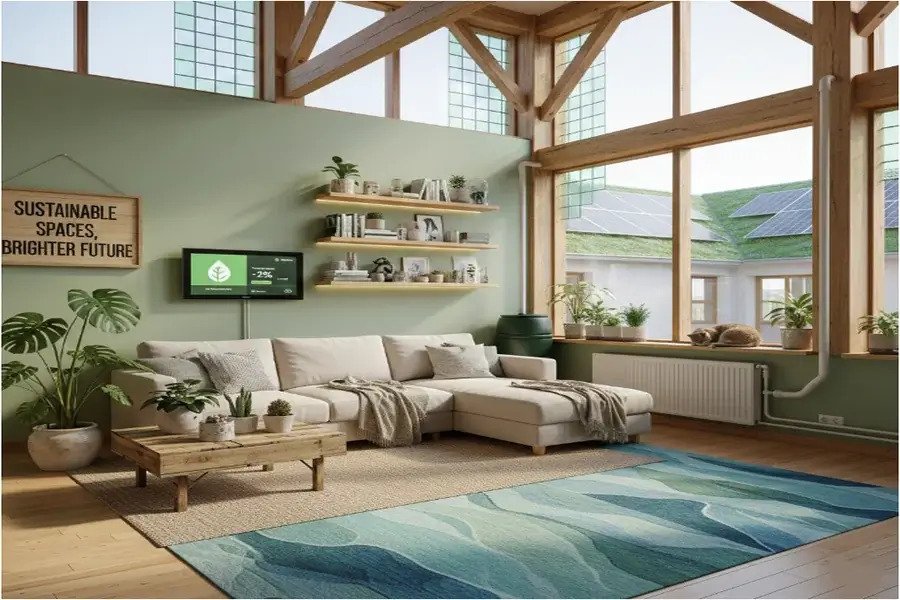
This small change can lower your utility bills while also reducing overall energy demand.
2. Install Solar Panels or Solar Lighting
Solar energy is one of the most powerful renewable energy sources available for homeowners. Installing rooftop solar panels can significantly reduce reliance on grid electricity and lower monthly energy costs. Even if full solar installation isn’t feasible, you can start small with solar-powered outdoor lights, garden lamps, or pathway lighting.
Solar upgrades not only reduce emissions but also increase long-term property value.
3. Improve Insulation and Seal Air Leaks
Heating and cooling systems account for a large portion of household energy consumption. Poor insulation and air leaks force HVAC systems to work harder, wasting energy and money. Adding proper insulation to walls, attics, and floors helps maintain indoor temperatures efficiently.
Sealing gaps around windows and doors with weather stripping or caulking prevents energy loss and improves comfort year-round. This upgrade is affordable yet highly effective.
4. Choose Sustainable Building Materials
When renovating, opt for eco-friendly materials such as bamboo flooring, reclaimed wood, recycled metal, or low-VOC (volatile organic compound) paints. Bamboo, for example, grows much faster than traditional hardwood, making it a renewable alternative.
Low-VOC paints improve indoor air quality by reducing harmful emissions. Sustainable materials not only benefit the environment but also create a healthier home environment for your family.
5. Upgrade to Water-Efficient Fixtures
Water conservation is a critical part of eco-friendly living. Installing low-flow showerheads, dual-flush toilets, and water-efficient faucets can significantly reduce water usage without compromising performance.
You can also consider rainwater harvesting systems to collect and reuse water for gardening or cleaning purposes. These changes help conserve natural resources and lower water bills.
6. Invest in Energy-Efficient Appliances
Modern appliances are designed to consume less electricity and water. When replacing old refrigerators, washing machines, or air conditioners, look for energy-efficient models with high performance ratings. Although the upfront cost may be slightly higher, the long-term savings and reduced environmental impact make it worthwhile.
Energy-efficient appliances also reduce greenhouse gas emissions associated with power generation.
7. Create a Green Outdoor Space
Transforming your outdoor area into a sustainable space can make a big difference. Plant native species that require less water and maintenance. Start a small kitchen garden to grow herbs and vegetables, reducing reliance on packaged produce.
Composting organic waste is another effective way to reduce landfill contribution while creating nutrient-rich soil for your garden.
8. Embrace Smart Home Technology
Smart thermostats, motion sensors, and automated systems help monitor and optimize energy use. A smart thermostat can adjust temperatures based on your schedule, ensuring energy is not wasted when you’re away from home.
Technology-driven efficiency is becoming a key component of sustainable living.
The Bigger Picture
Eco-friendly home improvement is not about perfection — it’s about progress. Every sustainable choice, no matter how small, contributes to a larger environmental impact. Beyond cost savings, these improvements create healthier indoor spaces, increase property value, and promote responsible living.
As climate awareness grows, green homes are becoming the future of modern living. By making thoughtful upgrades today, you’re not only enhancing your home but also contributing to a more sustainable world for generations to come.










Stay Informed With the Latest & Most Important News
Previous Post
Next Post












-
 01How to Book Cheap Airport Lounge Access Before Your Next Flight
 -
 02Best Outdoor Adventure Gear for Camping, Hiking & Fishing in 2026
 -
 03Le guide ultime des projets de rénovation de la maison en 2026
 -
 04Secure Digital Payment Solutions for Modern Online Businesses
 -
 05Dymocks: The Ultimate Gift Guide for Book Lovers
 -
 06Eco-Friendly Home Improvement Ideas: Build a Greener, Smarter Living Space
 -
 07Top Tips to Stay Motivated and Avoid Burnout While Working Remotely