

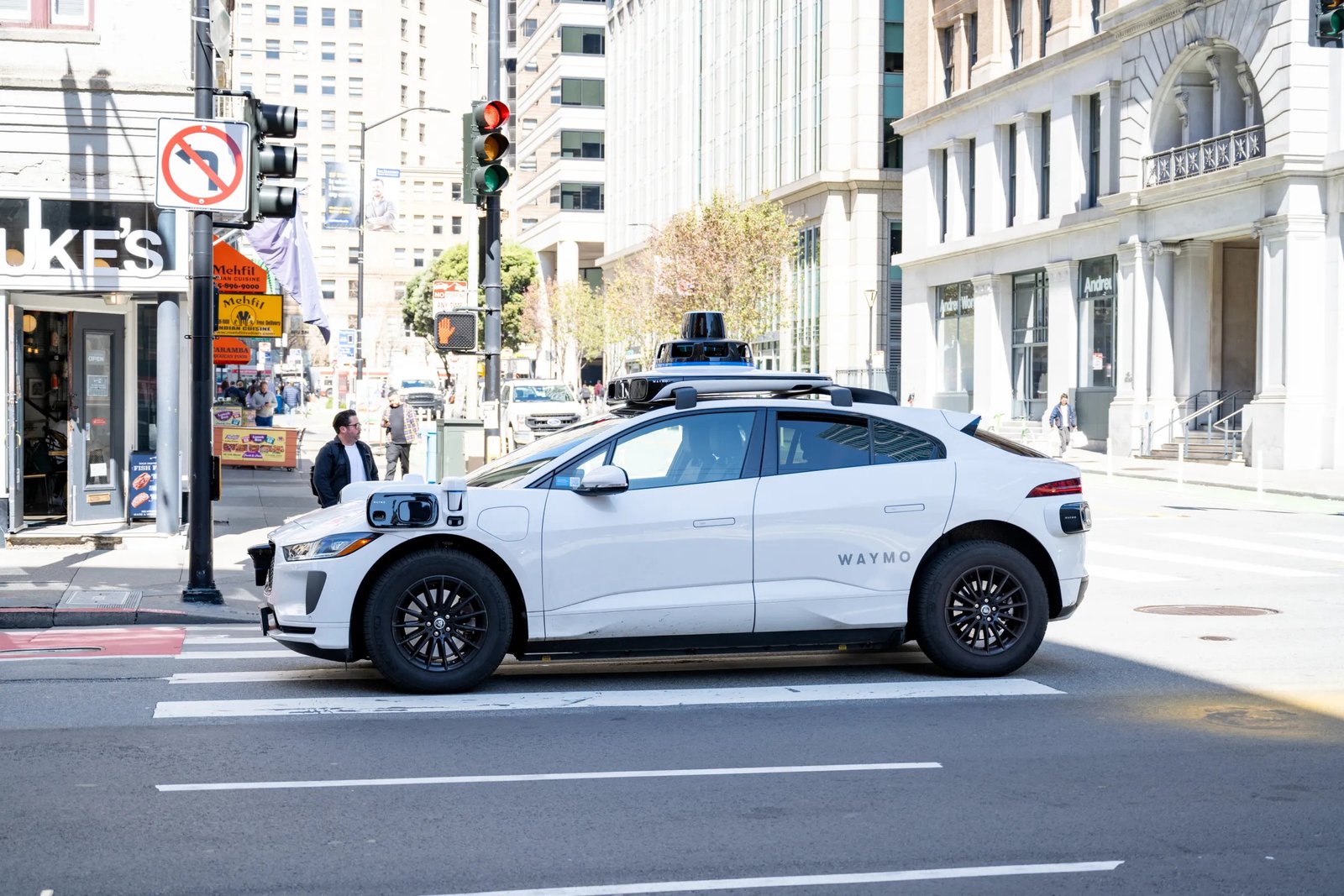
The idea of cars driving themselves once belonged to the world of science fiction. Today, it is rapidly becoming a reality. Self-driving cars, also known as autonomous vehicles, are transforming the automotive industry and redefining the future of transportation. With advancements in artificial intelligence (AI), sensors, and machine learning, companies around the world are racing to develop vehicles that can navigate roads safely without human intervention.
What Are Self-Driving Cars?
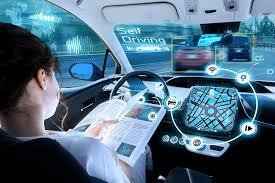
Self-driving cars are vehicles equipped with advanced technologies that allow them to operate with little or no human input. These cars use a combination of cameras, radar, lidar sensors, GPS, and AI-powered software to detect surroundings, interpret traffic conditions, and make driving decisions. The goal is to reduce human error, which is a leading cause of road accidents globally.
Companies like Tesla, Waymo, and General Motors are investing heavily in autonomous driving technology. While fully autonomous vehicles are still under development, many modern cars already feature semi-autonomous systems such as adaptive cruise control, lane-keeping assistance, and automatic emergency braking.
Benefits of Autonomous Vehicles
One of the most significant advantages of self-driving cars is improved road safety. Since most accidents are caused by human mistakes—such as distracted driving, speeding, or fatigue—removing human error could dramatically reduce collisions and fatalities.
Autonomous vehicles also promise greater convenience. Commuters could use travel time more productively, whether working, reading, or relaxing. For elderly individuals and people with disabilities, self-driving cars offer increased independence and mobility.
Traffic efficiency is another potential benefit. Self-driving cars can communicate with each other and respond instantly to changing road conditions. This could reduce traffic congestion, optimize fuel usage, and lower emissions, contributing to a cleaner environment.
Challenges and Concerns
Despite the promising future, self-driving cars face several challenges. Safety remains the biggest concern. Autonomous systems must be able to handle complex and unpredictable road situations, such as poor weather conditions, sudden obstacles, and human-driven vehicles.
Legal and regulatory issues also pose hurdles. Governments must create policies that address liability in case of accidents involving autonomous vehicles. Questions such as who is responsible—the driver, the manufacturer, or the software developer—still need clear answers.
Cybersecurity is another important concern. Since self-driving cars rely heavily on software and internet connectivity, they could be vulnerable to hacking. Ensuring strong security systems is essential to protect passengers and data.
The Role of Artificial Intelligence
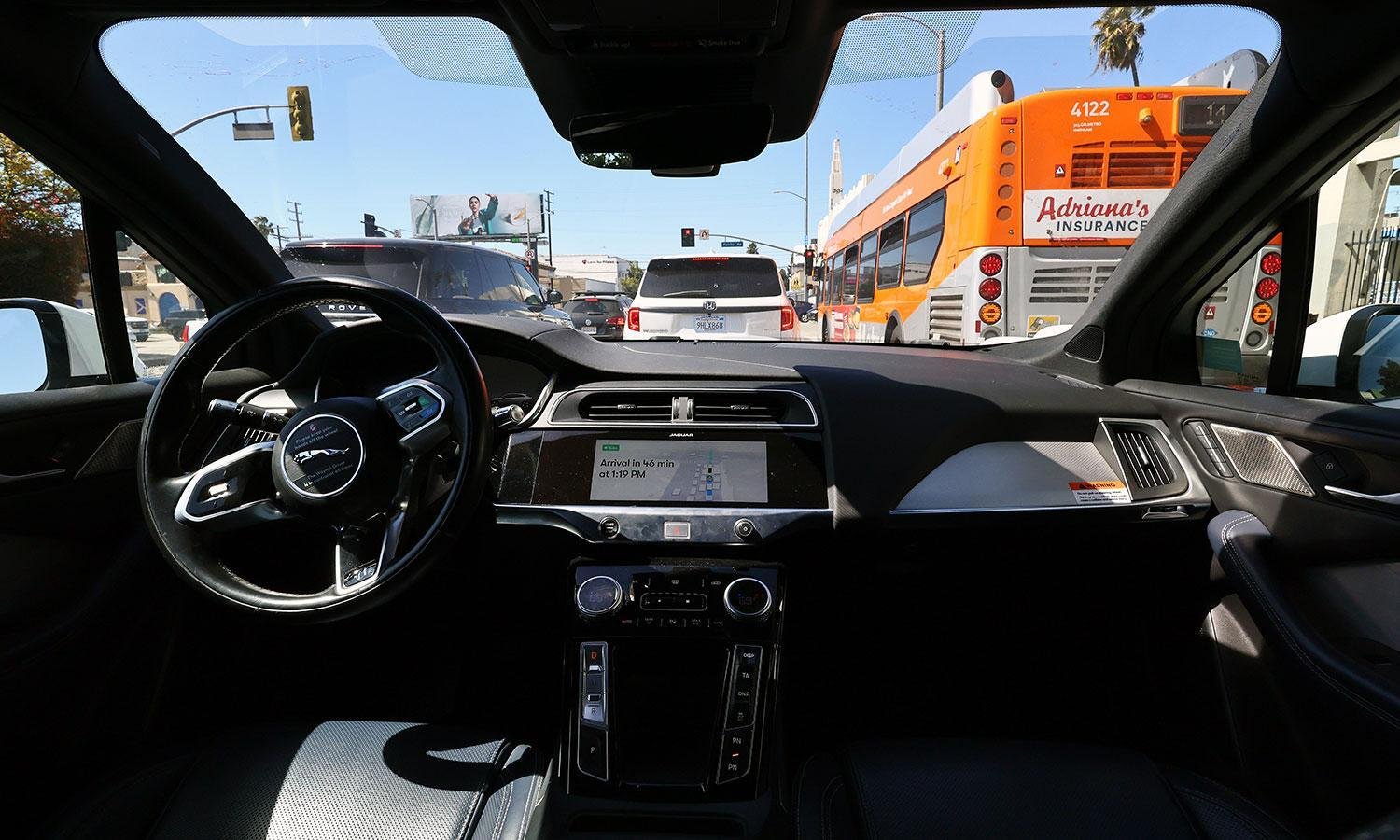
Artificial intelligence is the backbone of autonomous vehicles. AI systems process massive amounts of data from sensors in real time, allowing the car to make split-second decisions. Machine learning algorithms continuously improve performance by analyzing driving patterns and road scenarios.
As AI technology becomes more advanced, self-driving systems are expected to become safer and more reliable. Continuous software updates may also enhance vehicle capabilities without requiring new hardware.
Economic and Social Impact
The rise of self-driving cars could reshape industries beyond automotive manufacturing. Ride-sharing services may shift toward autonomous fleets, reducing transportation costs. Delivery services could use self-driving vans for faster and more efficient logistics.
However, automation may also impact employment, especially for professional drivers such as truckers and taxi drivers. Governments and businesses will need to prepare for workforce transitions through reskilling and new job opportunities in technology and vehicle maintenance.
What Lies Ahead?
While fully autonomous cars may still take years to become mainstream, progress is accelerating. Pilot programs and real-world testing are already underway in various cities worldwide. As technology improves and regulations evolve, self-driving cars could become a common sight on roads.
In conclusion, the future of self-driving cars is filled with both promise and challenges. With advancements in AI, safety systems, and infrastructure, autonomous vehicles have the potential to make transportation safer, more efficient, and more accessible. Although obstacles remain, the journey toward a driverless future is well underway—and it may redefine how we move in the decades to come.










Related Posts

Stay Informed With the Latest & Most Important News
Previous Post
Next Post











-
 01Essential Skills Every Professional Needs for Success in 2024
 -
 02Bringing the ’70s Back: How to Renovate with Retro Flair (Without Looking Dated)
 -
 03How Learning New Skills Can Change Your Life
 -
 04Top PDF Editing Tools (Adobe Acrobat vs Alternatives)
 -
 05Beyond the Stripes: Why Fly Condor Airlines for Your Next Big Escape
 -
 06Best Out of Waste in the Kitchen: Turning Scraps into Smart Solutions
 -
 07The Manufacturing of Robots: From Concept to Intelligent Machines