

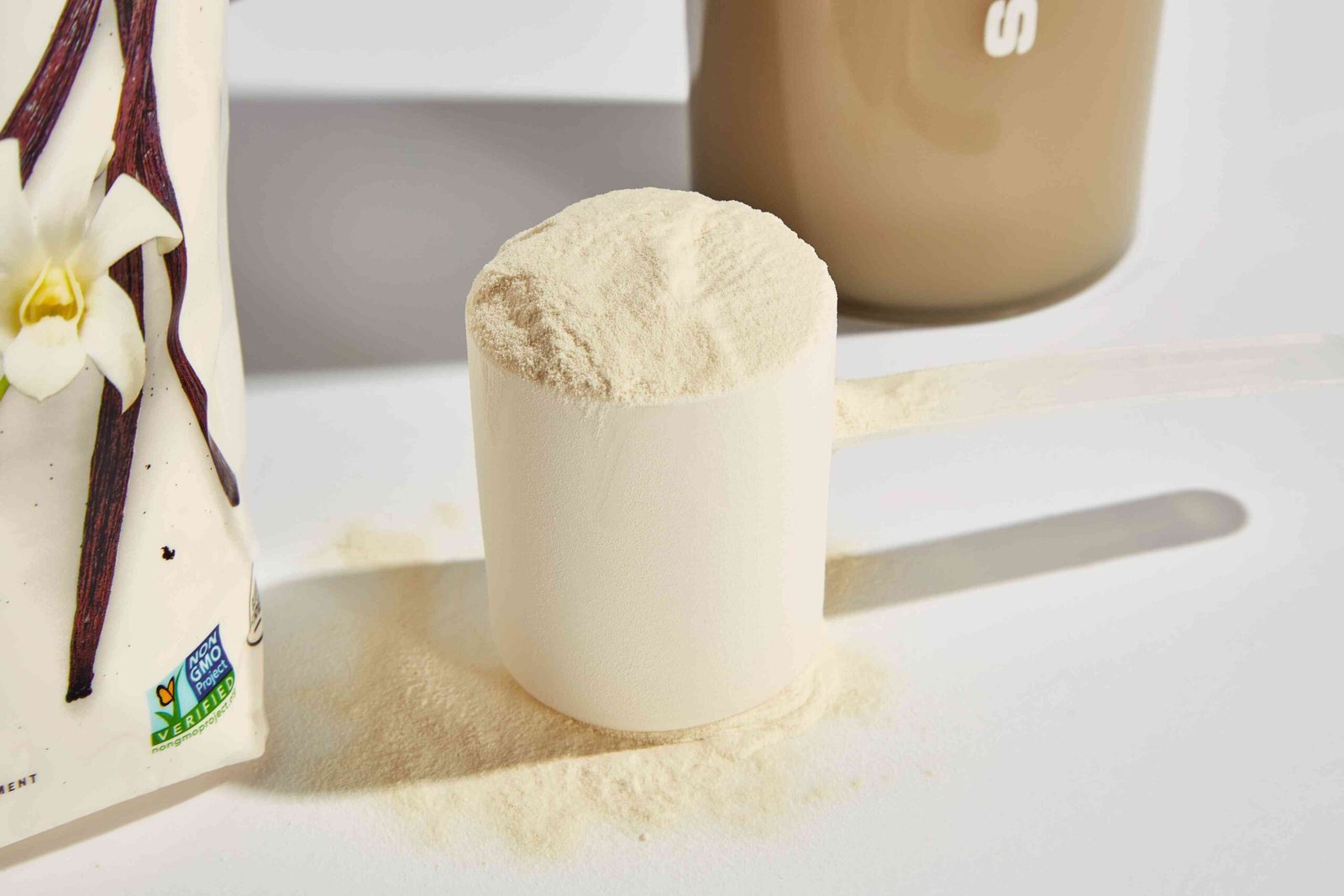
Whether you want to build muscle, improve workout recovery, or maintain a balanced diet, protein plays an important role in supporting your fitness journey. While whole foods should remain the foundation of your nutrition, protein powder can offer a convenient way to increase your daily protein intake.
With so many options available, choosing the right product can feel confusing. Whey, casein, soy, and plant-based blends all have different characteristics. Understanding your goals, dietary preferences, and nutritional requirements can help you find a protein powder that works for you.
1. Identify Your Fitness Goals
Before purchasing protein powder, consider what you want to achieve.
If your goal is muscle growth, adequate daily protein combined with consistent resistance training can support muscle development. Whey, soy, and other complete protein sources can be useful options.
If you want to maintain muscle while losing body fat, choose a protein powder that fits your overall calorie intake and provides sufficient protein per serving. Protein can help you feel satisfied, but fat loss still depends on your overall energy balance.

For general fitness and recovery, focus on meeting your daily protein requirements through a combination of meals and supplements. Protein powder is a convenient addition, not a replacement for a balanced diet.
2. Understand Different Types of Protein Powder
Different protein sources suit different preferences and needs.
Whey protein: Derived from milk, whey is a complete protein containing all nine essential amino acids. It is available as concentrate, isolate, and hydrolysate. Concentrate generally contains more lactose and other milk components, while isolate typically contains a higher proportion of protein.
Casein protein: Another milk-derived protein, casein digests more slowly than whey. Some people prefer it as an evening snack or when they want a more substantial protein serving.
Soy protein: A plant-based option that provides all nine essential amino acids. It can be a suitable choice for vegetarians and people avoiding dairy.
Pea and blended plant proteins: Pea, rice, and other plant proteins can help meet protein needs. Blends may combine different sources to provide a more balanced amino acid profile.
Choose the type that suits your dietary requirements, digestion, taste, and budget.
3. Check the Nutrition Label Carefully
The product label provides important information about what you are buying. Look at the protein content per serving rather than relying only on the size of the scoop.
Also review calories, added sugars, fats, serving size, and the ingredient list. Some flavoured powders contain sweeteners or additional ingredients that may not suit everyone.
Compare products using the same serving size wherever possible. A product with a larger scoop does not necessarily provide more protein per gram of powder.
If you have lactose intolerance, check the lactose content and consider whether whey isolate or a suitable plant-based alternative works better for you.
4. Look for Quality and Third-Party Testing
Supplement quality matters because labels alone do not always provide a complete picture of product quality.
Whenever possible, choose manufacturers that provide transparent ingredient information and independent testing for identity, purity, and contaminants. Certifications from recognised third-party testing programmes can offer additional reassurance, although availability varies by country.
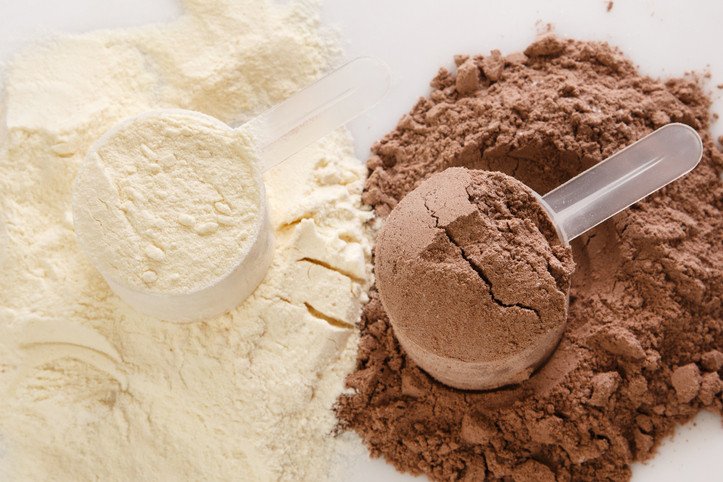
Avoid products making unrealistic promises, such as guaranteeing rapid muscle growth or dramatic weight loss. Supplements cannot replace appropriate training, sufficient sleep, and consistent nutrition.
5. Match Protein Powder to Your Diet
Your eating habits should guide your choice. Vegetarians may prefer whey, casein, soy, or plant-based blends, depending on whether they consume dairy. People following vegan diets should select products made entirely from plant sources.
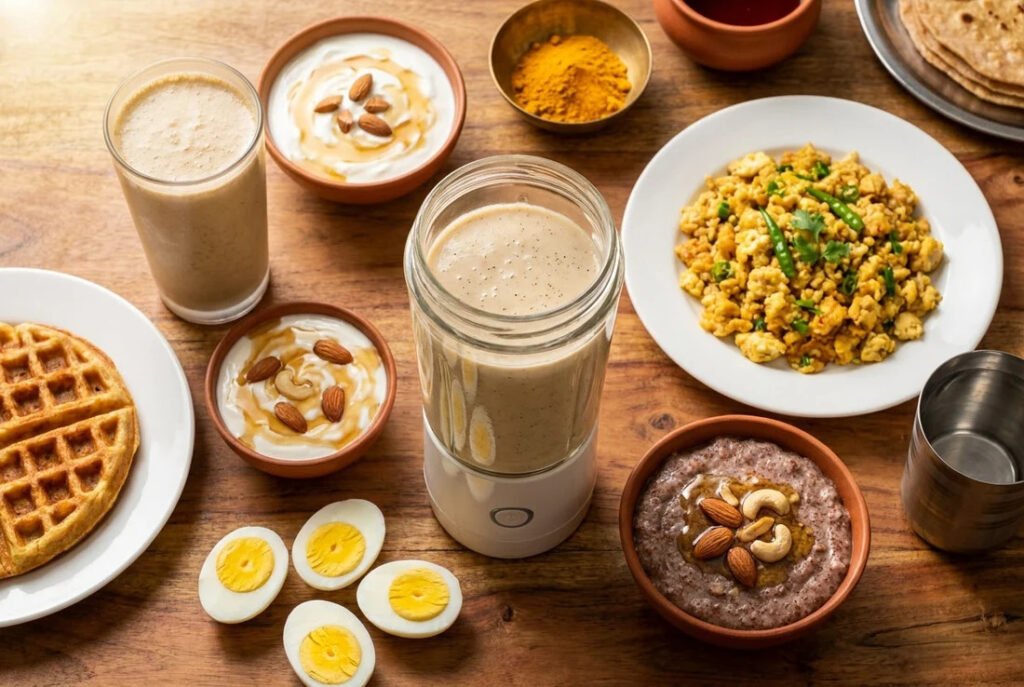
You can also increase protein intake through everyday foods such as lentils, beans, tofu, paneer, Greek yogurt, eggs, and milk, depending on your dietary preferences.
For most healthy adults who exercise regularly, total daily protein intake matters more than choosing a particular powder or taking it at an exact time. A common range for people doing regular fitness training is approximately 1.4–2.0 grams of protein per kilogram of body weight per day, although individual needs vary.
6. Consider Taste, Price, and Convenience
Even a nutritionally suitable protein powder may not be useful if you dislike its taste or find it difficult to digest. Start with a smaller pack when possible and compare the cost per serving that meets your protein needs.
You can mix protein powder with water, milk, or a smoothie, or add it to suitable recipes. Follow the manufacturer’s serving instructions and remember that extra ingredients also contribute calories and nutrients.
Final Thoughts
The best protein powder is one that supports your fitness goals, meets your dietary needs, and fits comfortably into your budget. Compare protein content, ingredients, quality testing, and digestibility before choosing a product.
Most importantly, treat protein powder as a convenient supplement rather than a shortcut. Consistent training, balanced meals, adequate hydration, and quality sleep remain essential for long-term fitness progress.










Related Posts


Stay Informed With the Latest & Most Important News
Previous Post
Next Post











-
 01The Bedroom Revolution: How Home Studios Are Changing Modern Music Production
-
 02The DIY Concept: Creativity, Independence, and the Joy of Making Things Yourself
-
 03Le guide ultime des projets de rénovation de la maison en 2026
-
 04The Daily Wellness Essentials People Often Ignore
-
 05Best Online Marketplaces for Buying and Selling Musical Instruments
-
 06Best Car Rental Options for Your Next Road Trip
-
 07Latest Food Trends in 2026