

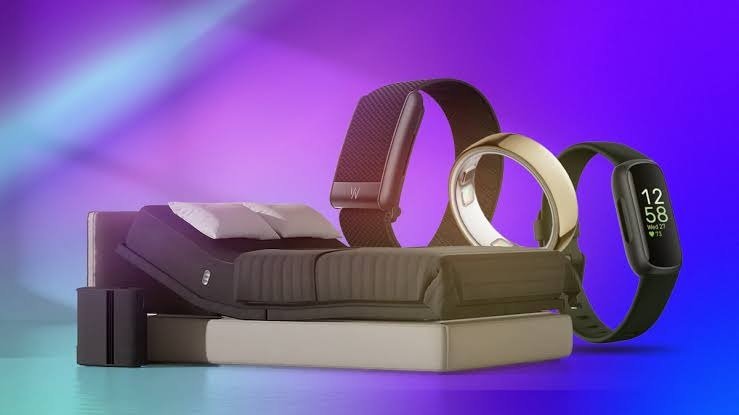
Wearable technology has evolved far beyond simple step counters. Today’s smartwatches, fitness trackers, and health-focused wearables can help users understand patterns in sleep, daily movement, workouts, and recovery. By collecting data throughout the day and night, these devices provide a convenient way to become more aware of everyday habits and make informed lifestyle choices.
Whether you’re focused on fitness, trying to improve your sleep routine, or simply want a better picture of your daily activity, next-generation wearables can make personal tracking more accessible.
Understand Your Sleep Patterns
Sleep is an important part of everyday wellbeing, yet it can be difficult to know whether your routine is actually supporting adequate rest. Modern wearable devices can monitor sleep duration and provide insights into different stages or patterns of sleep, depending on the technology used.
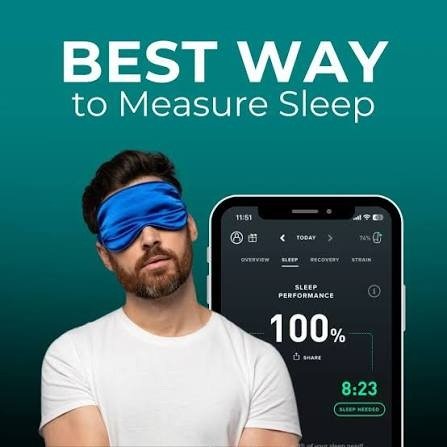
Over time, reviewing sleep data can help users identify trends. For example, you may notice that your sleep changes when you exercise later in the evening, travel, consume caffeine, or maintain a different bedtime. These insights can encourage more consistent routines.
It’s important to remember that consumer wearables are designed primarily for personal tracking and should not be treated as medical diagnostic devices.
Monitor Recovery Between Workouts
Recovery has become an increasingly important part of fitness. Training every day without considering rest can make it difficult to maintain a consistent routine.
Some next-generation wearables provide recovery-related metrics based on information such as heart-rate patterns, activity, sleep, and workout load. These insights can help users understand how their body is responding to their recent activity and decide when a lighter workout or rest day may be appropriate.
Rather than focusing on a single score, looking at changes and patterns over time can provide more useful context.
Keep Track of Daily Activity
Fitness isn’t limited to structured workouts. Walking, climbing stairs, commuting, household activities, and other everyday movements all contribute to your overall activity.
Wearables can make these habits more visible by tracking steps, distance, active periods, and other movement-related metrics. Seeing how active you are throughout the day may also encourage small changes, such as taking a short walk between work sessions or choosing stairs when practical.
Make Workouts More Data-Driven
For people who exercise regularly, wearable technology can provide additional information during workouts. Depending on the device, users may be able to track heart rate, workout duration, distance, pace, calories burned, or other exercise metrics.

This information can make it easier to monitor progress and understand how different workouts affect your activity levels. Over time, it can also help you identify patterns in training and recovery.
Look for Trends Instead of Perfect Numbers
One of the biggest benefits of wearable technology is the ability to collect data consistently. However, individual measurements can fluctuate for many reasons, and different devices may use different methods to estimate metrics.
Instead of becoming overly focused on achieving a particular number every day, use wearable data to identify broader trends. Changes over several days or weeks can be more informative than a single night’s sleep score or one unusually active day.
Choose a Wearable That Fits Your Lifestyle
With so many wearable devices available, choosing the right one depends on what you actually want to track. A smartwatch may be useful if you want notifications, workouts, and everyday functionality, while a fitness-focused wearable may appeal to someone primarily interested in activity, sleep, and recovery.
Consider battery life, comfort, app experience, compatibility with your smartphone, subscription requirements, and the metrics that matter most to you before buying.
Final Thoughts
Next-generation wearable technology can turn everyday activity into useful personal insights. By tracking sleep, recovery, workouts, and daily movement, wearables can help users better understand their routines and make more informed lifestyle decisions.
The goal isn’t to chase perfect numbers. It’s to use consistent data to recognize patterns, build healthier habits, and understand how your daily choices influence your overall routine.










Related Posts



Stay Informed With the Latest & Most Important News
Previous Post
Next Post











-
 01What to Wear to a Job Interview in 2026
-
 02The Art of Crocheting: A Creative and Relaxing Craft
-
 03How to Choose the Perfect Flowers and Gifts for Every Celebration
-
 04Best Beach Destinations Around the World
-
 05Healthy Foods That Actually Taste Great
-
 06The Digital Storefront Playbook: Why Your 2026 Website Is Your Biggest Growth Lever
-
 07The Wellness Shift: How Modern Lifestyles Are Driving the Wellness Product Boom