The Wellness Shift: How Modern Lifestyles Are Driving the Wellness Product Boom


If you were to step back a few decades and look at the global consumer landscape, the term “wellness” barely existed in our everyday vocabulary. Health was a reactive concept—something you only thought about when you were actively sick, injured, or visiting a doctor’s office. The retail market reflected this: you bought medicine when you had a cold, and you bought basic groceries to fill your pantry.
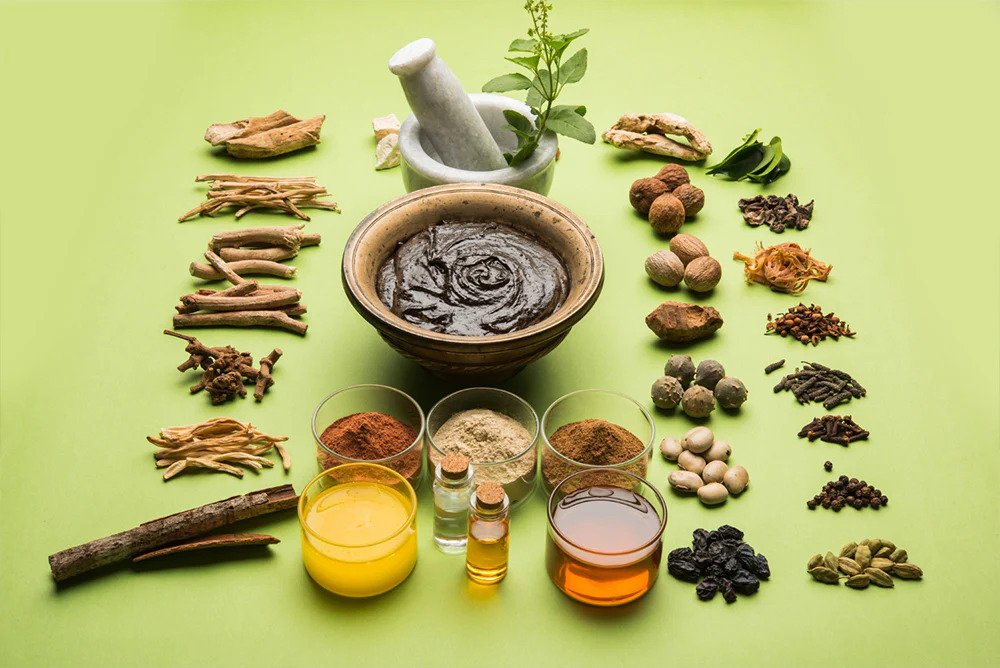
Today, that reactive model has been completely obliterated. Walk down any retail aisle or scroll through any e-commerce platform, and you will find an explosion of wellness products: blue-light-blocking glasses, adaptogenic mushroom coffees, ergonomic desk setups, wearable sleep trackers, and air-purifying indoor plants. Wellness is no longer a niche hobby; it is a multi-trillion-dollar global industry. This massive surge in interest isn’t a random marketing trend. It is a direct, defensive reaction to the unique stressors and structural realities of modern daily life. Here is how our changing lifestyles are fueling the wellness product boom.
1. The Digital Overload and the Rise of “Tech-Defense” Products
The most profound shift in the modern lifestyle is our near-total integration with digital screens. The average professional now spends upwards of eight to ten hours a day staring at laptops, smartphones, and tablets for work, only to transition to televisions and gaming consoles for evening entertainment.
This unprecedented level of screen time has introduced entirely new physical and cognitive ailments into the human experience, from chronic digital eye strain and disrupted circadian rhythms to “tech neck” and mental fatigue. Because consumers cannot simply abandon their digital tools—which are mandatory for their livelihoods—they are turning to wellness products as a critical line of defense. This has created massive, high-intent markets for items like blue-light-filtering eyewear, ergonomic office chairs, standing desks, and ambient red-light therapy devices designed to mitigate the biological tax of a highly plugged-in life.
2. Chronic Stress and the Automation of Calm
Modern life moves at a hyper-accelerated, always-on pace. The blurred boundaries of remote work mean that professionals are accessible via email and messaging apps twenty-four hours a day. We are constantly processing information, navigating urban noise pollution, and managing packed schedules.
When stress becomes a chronic, baseline state rather than an occasional event, our bodies suffer. Recognizing that they lack the time for extended, week-long spa retreats or hours of daily meditation, modern consumers are looking for ways to automate calm within their existing routines. This lifestyle reality has driven the massive popularity of functional wellness products. Consumers are replacing their standard morning coffee with jitter-free mushroom elixirs infused with Lion’s Mane and Ashwagandha to manage cortisol. They are buying high-end essential oil diffusers, weighted blankets, and acoustic sound machines to artificially engineer a peaceful environment at home, effectively buying back the relaxation that modern life strips away.
3. From Reactive Healthcare to Proactive Lifespan Optimization
In the past, aging and physical decline were accepted as completely inevitable, linear processes. However, the modern lifestyle is highly informed by an unprecedented access to scientific information. Thanks to health podcasts, medical creators, and accessible longevity research, the average consumer is incredibly well-educated on concepts like metabolic health, cellular aging, and inflammation.
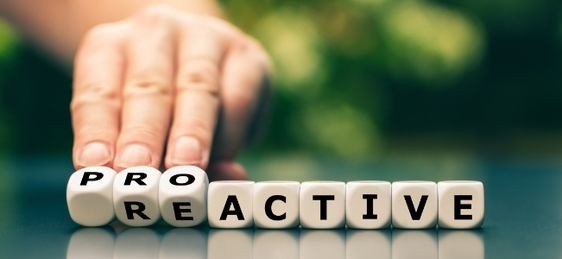
This democratization of health data has caused a massive psychological shift from reactive healthcare to proactive lifespan optimization. People no longer want to wait for a diagnosis to change their habits; they want to optimize their vitality right now. This mindset shift has completely supercharged the market for targeted wellness products. Consumers are actively purchasing continuous glucose monitors to track their real-time metabolic responses, high-potency probiotics to optimize their microbiome, and advanced home water filtration systems. We are investing in our long-term health capital today to ensure we can withstand the long-term demands of modern life tomorrow.
Final Thoughts: Product as a Tool for Reclamation
Ultimately, the skyrocketing interest in wellness products is an authentic reflection of a society trying to reclaim its balance. The modern lifestyle offers incredible conveniences, digital connectivity, and career opportunities, but it also demands a heavy biological price. Wellness products have become the accessible, everyday tools that allow us to negotiate that price. By consciously integrating these items into our daily routines, we aren’t just participating in a consumer trend—we are building a practical, personalized toolkit to stay healthy, focused, and resilient in a fast-moving world.










Related Posts


Stay Informed With the Latest & Most Important News
Previous Post
Next Post












-
 01The Art of Romanticizing Your Everyday Life: Finding Joy in the Ordinary
 -
 02Stand or Sit? Standing Desk vs. Traditional Desk: Which One Is Better for Remote Work?
 -
 03Common Language Learning Mistakes and How to Avoid Them
 -
 04Comment créer un espace de vie extérieur parfait
 -
 05Vrbo vs Airbnb: Which Vacation Rental Platform Should You Choose?
 -
 06Why Eurostar Is Still the Best Way to Travel from London to Paris
 -
 07Online Clothing Shopping: Convenience, Choice, and the Future of Fashion