

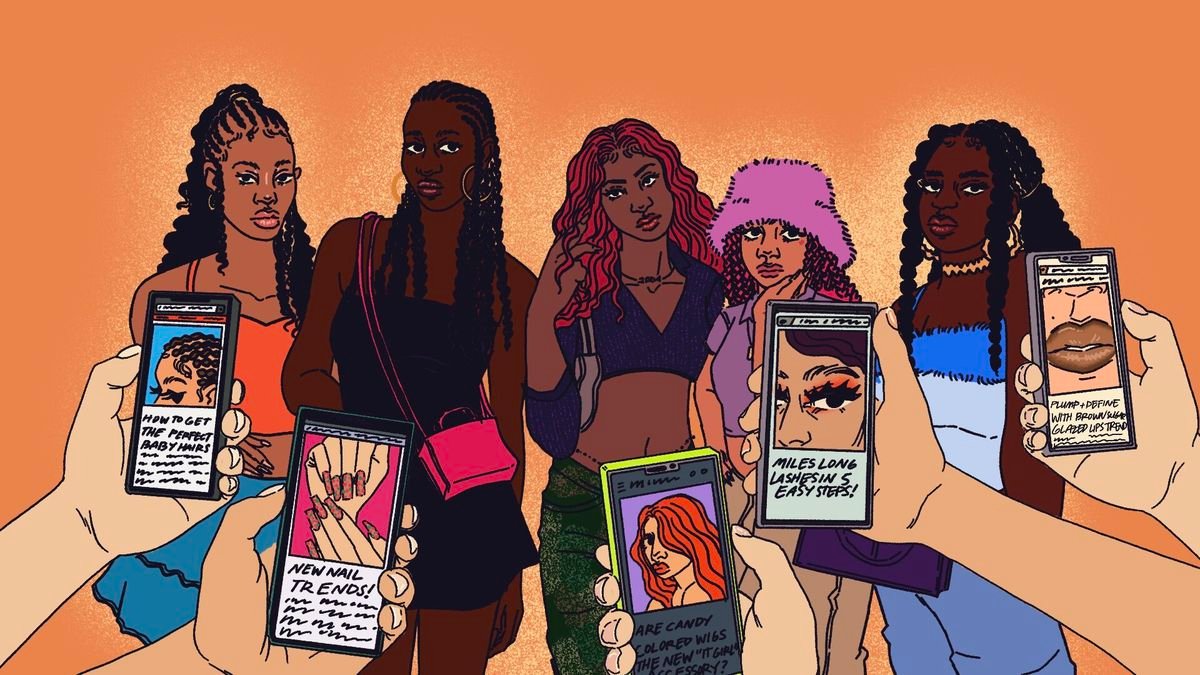
In the digital age, social media has become one of the most powerful forces shaping fashion trends around the world. Platforms like Instagram, TikTok, and Pinterest have transformed the way people discover, share, and adopt new styles. Unlike the past, when fashion trends were mainly dictated by designers and fashion magazines, today anyone with a smartphone and creativity can influence global fashion.
Social media has created a space where fashion is more accessible, interactive, and fast-moving than ever before.
Faster Spread of Fashion Trends
One of the biggest ways social media influences fashion is by spreading trends rapidly. In the past, fashion trends often took months or even years to reach the public. Designers would showcase new collections during fashion weeks, and magazines would later promote those styles.

Today, a trend can go viral overnight. When influencers or celebrities post pictures or videos wearing a certain outfit, millions of followers see it instantly. As a result, people around the world start adopting the same style within days.
For example, a viral TikTok fashion challenge or an Instagram outfit post can quickly turn a simple clothing item into a global trend.
Role of Influencers and Content Creators
Fashion influencers play a major role in shaping modern trends. These individuals build large audiences by sharing outfit ideas, styling tips, and fashion inspiration online. Many followers trust their recommendations more than traditional advertisements.
Influencers often collaborate with fashion brands to promote new clothing lines. When followers see their favorite influencer wearing a certain brand or style, they are more likely to purchase similar items. This type of marketing is called influencer marketing, and it has become a major strategy for fashion companies.
Unlike traditional models, influencers represent diverse body types, cultures, and personal styles, which makes fashion feel more relatable to everyday people.
Democratization of Fashion
Social media has also made fashion more democratic. In the past, fashion trends were mainly controlled by designers, fashion houses, and luxury brands. Now anyone can showcase their personal style online.
People from different backgrounds, cultures, and countries can share their outfits and creative ideas with a global audience. This has encouraged individuality and diversity in fashion.
For example, street style photography and everyday fashion posts often inspire designers and brands. In many cases, trends now start with ordinary people rather than fashion runways.
Rise of Micro-Trends
While social media spreads trends quickly, it also leads to the rise of micro-trends—short-lived fashion styles that become popular for a brief period before disappearing.
Platforms like TikTok especially contribute to this phenomenon. A specific clothing item or aesthetic may trend for a few weeks before being replaced by a new one. This rapid cycle encourages constant experimentation with fashion.
However, it also contributes to the rise of fast fashion, where clothing brands quickly produce trendy items to meet online demand.
Impact on Fashion Brands
Fashion brands closely monitor social media to understand consumer preferences and emerging trends. By analyzing posts, hashtags, and engagement data, brands can identify which styles are gaining popularity.
Many brands now launch collections directly through social media campaigns. Instead of relying only on traditional advertising, they create interactive content such as styling videos, live streams, and influencer collaborations.
Social media also allows brands to communicate directly with customers, receive feedback, and build stronger relationships with their audience.
Challenges and Criticism
Despite its positive influence, social media has also raised concerns within the fashion industry. The rapid trend cycle can encourage overconsumption and contribute to environmental problems associated with fast fashion.

Additionally, constant exposure to idealized fashion images may create unrealistic beauty standards or pressure people to keep up with ever-changing trends.
As a result, many influencers and brands are now promoting sustainable fashion and encouraging consumers to make thoughtful clothing choices.
Conclusion
Social media has revolutionized the fashion industry by making trends more accessible, diverse, and interactive. Platforms like Instagram, TikTok, and Pinterest allow trends to spread quickly and give individuals the power to influence global fashion.
While it has created opportunities for creativity and self-expression, it also challenges the industry to promote sustainability and responsible consumption. Ultimately, social media continues to shape the future of fashion, proving that style is no longer controlled by a few designers but influenced by millions of voices worldwide.










Related Posts

Stay Informed With the Latest & Most Important News
Previous Post
Next Post












-
 01How to Save More on Flights and Hotels with Trip.com
 -
 02The Latest AI Trends Shaping Technology and Everyday Life
 -
 03How Digital Banking Tools Are Simplifying Global Money Transfers
 -
 04Classic Handbag Styles Every Woman Should Own
 -
 05Why Plant-Based Food Is Becoming More Mainstream
 -
 06Healthy Meal Delivery Ideas for Busy Professionals
 -
 07Looking for a Better Phone Plan? Key Features to Consider Before Switching