
The Automotive Industry: Driving Innovation and Shaping the Future of Mobility

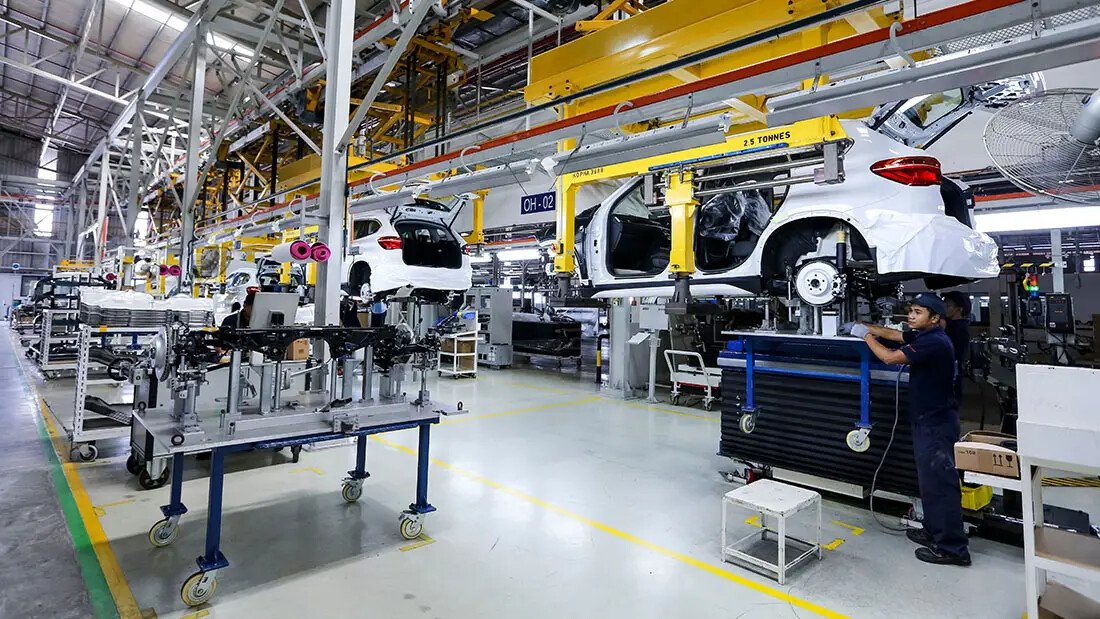
The automotive industry has long been a symbol of innovation, freedom, and technological progress. From the invention of the first gasoline-powered car to today’s electric and autonomous vehicles, the world of automobiles continues to evolve at a rapid pace. As consumer expectations shift and environmental concerns grow, the automotive sector is redefining how people move, connect, and experience transportation.

A Brief Look at Automotive Evolution
The automotive journey began in the late 19th century with simple mechanical designs focused solely on mobility. Over time, cars became faster, safer, and more comfortable. Features such as seatbelts, airbags, power steering, and automatic transmissions transformed vehicles from luxury items into everyday necessities. Today, modern automobiles are sophisticated machines that blend engineering, software, and design.
Technology Driving Modern Vehicles
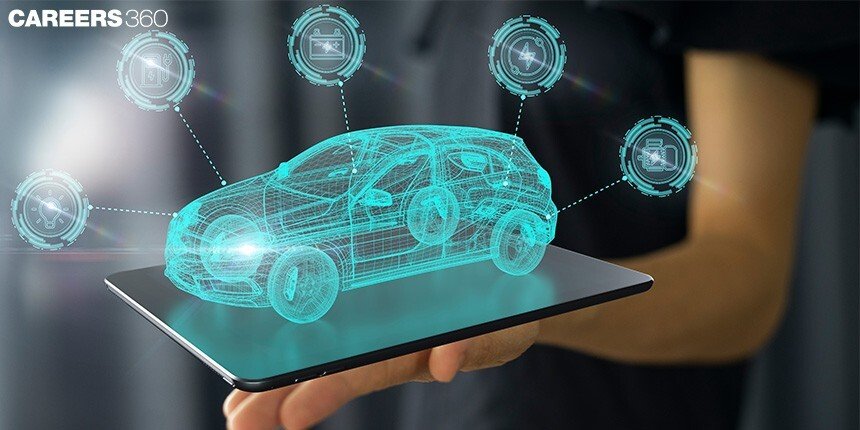
Technology is at the heart of the modern automotive industry. Advanced driver-assistance systems (ADAS) like lane-keeping assist, adaptive cruise control, and automatic emergency braking are improving road safety and reducing accidents. Touchscreen dashboards, digital instrument clusters, and connected infotainment systems have turned cars into smart, mobile living spaces.
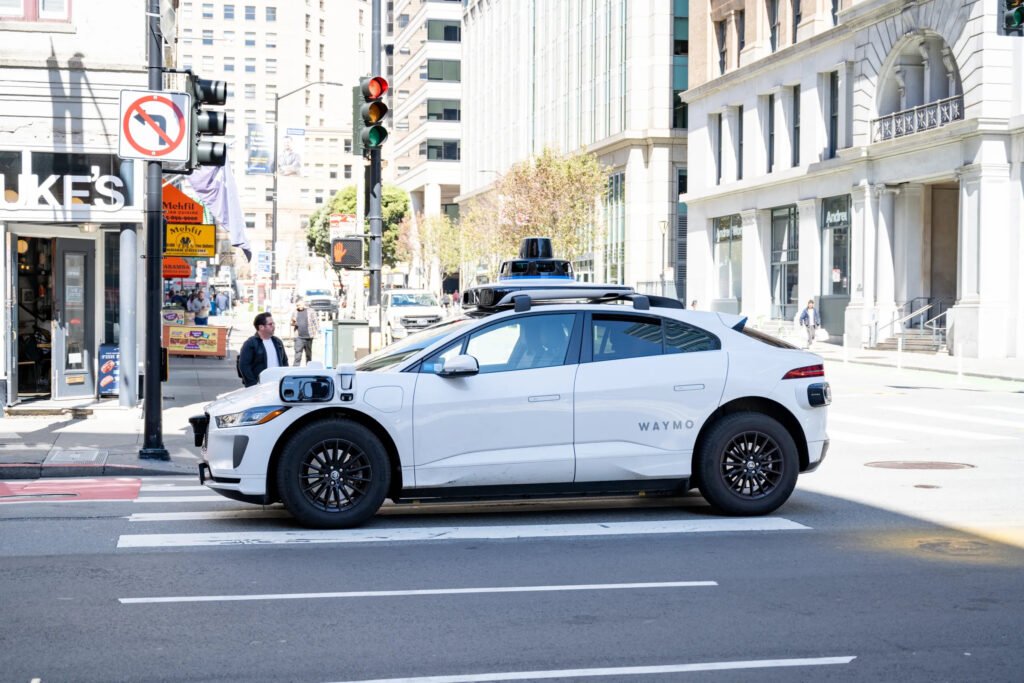
Artificial intelligence and sensors are also paving the way for autonomous driving. While fully self-driving cars are still being tested and refined, semi-autonomous features are already changing how drivers interact with their vehicles. These innovations aim to reduce human error and make transportation safer and more efficient.
The Rise of Electric Vehicles
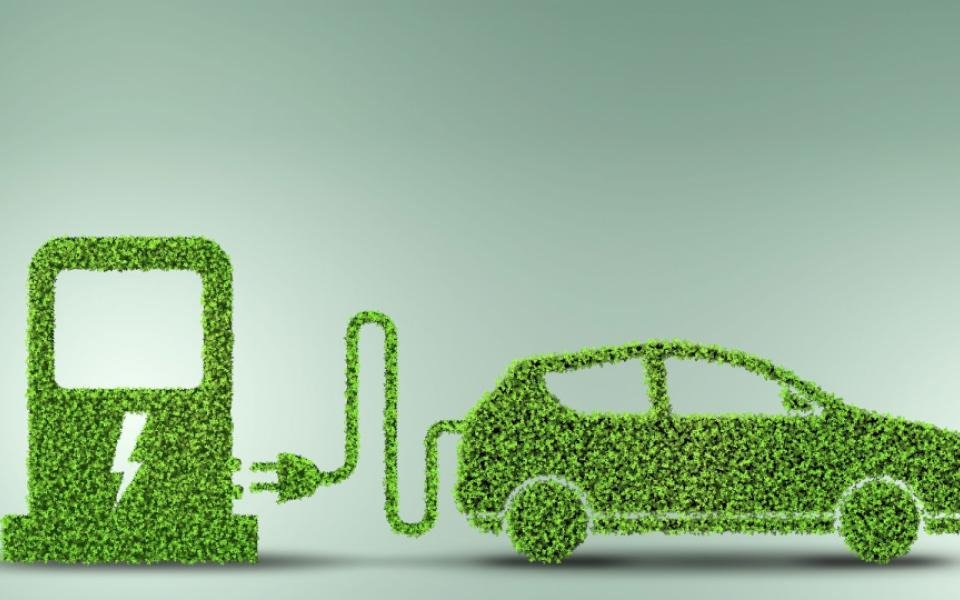
One of the biggest shifts in the automotive world is the move toward electric vehicles (EVs). Concerns over climate change, fuel costs, and emissions regulations have accelerated the adoption of EVs globally. Electric cars produce zero tailpipe emissions and offer lower operating costs compared to traditional internal combustion engines.
Automakers are heavily investing in battery technology to improve driving range, reduce charging time, and make EVs more affordable. Governments are also supporting this transition through incentives, charging infrastructure development, and stricter emission standards. As a result, electric vehicles are quickly becoming a mainstream choice rather than a niche option.
Sustainability and Environmental Responsibility
Beyond electrification, the automotive industry is embracing sustainability in other ways. Manufacturers are exploring eco-friendly materials, recycling programs, and energy-efficient production processes. Lightweight materials such as aluminum and carbon fiber help improve fuel efficiency, while sustainable interiors made from recycled fabrics and plant-based materials reduce environmental impact.
Automakers are also focusing on reducing waste and carbon footprints throughout the supply chain. This shift reflects growing consumer demand for responsible and environmentally conscious brands.
Changing Consumer Preferences
Today’s car buyers value more than just performance and design. Connectivity, safety, fuel efficiency, and sustainability play a major role in purchasing decisions. Many consumers are also embracing flexible ownership models, such as car subscriptions and ride-sharing services, which are reshaping traditional vehicle ownership.
The rise of urbanization has increased demand for compact cars and efficient mobility solutions, while SUVs and crossovers remain popular for their versatility and comfort. Automakers must balance these diverse preferences while staying competitive in a crowded market.
The Future of the Automotive Industry
Looking ahead, the automotive industry is set to experience even greater transformation. Electric and hybrid vehicles will continue to dominate new releases, while autonomous driving technology becomes more refined. Smart cities and connected infrastructure will further integrate vehicles into digital ecosystems, enabling smoother traffic flow and enhanced safety.
The future of automotive mobility is not just about cars—it’s about creating cleaner, smarter, and more accessible transportation systems for everyone.
Final Thoughts
The automotive industry stands at a crossroads of innovation and responsibility. As technology advances and sustainability becomes a priority, vehicles are evolving into more than just modes of transport. They are becoming intelligent, eco-friendly companions designed to meet the needs of a changing world. Whether through electric power, smart features, or new mobility models, the automotive sector continues to drive the future forward.










Related Posts

Stay Informed With the Latest & Most Important News
Previous Post
Next Post
Previous Post

Next Post











-
 01The Ultimate New Pet Parent Checklist: Must-Have Essentials for a Smooth Start
 -
 02The EV Revolution: How Electric Cars Are Taking Over the Roads
 -
 03The Automotive Industry: Driving Innovation and Shaping the Future of Mobility
 -
 04How Learning New Skills Can Change Your Life
 -
 05Fresh & Fragrant: Simple Ways to Make Your Home Smell Amazing
 -
 06Lean, Mean, and Digital: Office Essentials and Productivity Guides for Small Businesses
 -
 07The Skills-First Economy: How Udemy is Architecting Your Career Future