
Artificial intelligence is changing the way people approach creativity. What once required advanced artistic skills, expensive software, or hours of editing can now be explored through simple text prompts and AI-powered tools. OpenArt AI is one platform that brings these possibilities together, allowing users to experiment with visual ideas and turn them into engaging creations. From artwork and illustrations to entertainment content, there are plenty of ways to explore your imagination.
Create Original Digital Artwork
One of the most obvious ways to use OpenArt AI is to create digital artwork. You can describe a scene, mood, character, or artistic style and use AI to turn the concept into a visual. Whether you prefer colorful illustrations, realistic compositions, fantasy landscapes, or abstract artwork, experimenting with different prompts can produce a wide range of results.
This makes AI art useful for both beginners looking to explore creativity and experienced creators searching for inspiration.
Design Characters and Imaginary Worlds
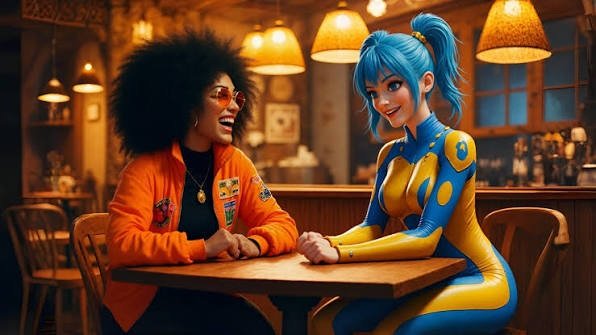
If you enjoy storytelling, OpenArt AI can help bring fictional ideas to life. You can create characters with distinctive appearances, clothing, personalities, and environments. You can also experiment with entire imaginary worlds, from futuristic cities and magical kingdoms to mysterious underwater landscapes.
Character creation can be especially useful for writers, game enthusiasts, and digital storytellers who want a visual reference for their ideas before developing them further.
Make Social Media Content
Creating fresh visual content for social media can take considerable time. AI tools can make the creative process easier by helping generate eye-catching concepts for posts, campaigns, mood boards, and other digital content.
For example, creators can experiment with themed visuals for Instagram posts, YouTube thumbnails, Pinterest content, or promotional graphics. Different styles and compositions can also be tested quickly, making it easier to find a visual direction that fits a particular audience.
Bring Storytelling to Life
AI-generated visuals can add another dimension to storytelling. Writers can create illustrations inspired by scenes from their stories, while content creators can develop visuals that support videos, presentations, or digital narratives.
Imagine writing a short fantasy story and creating an image of its central character, designing a setting for an important scene, or visualizing a dramatic moment. These images can make creative projects feel more immersive and help audiences connect with the story.
Experiment With Entertainment Ideas
Creativity does not always have to be serious. OpenArt AI can also be used for fun and entertainment. You can generate humorous concepts, unusual characters, imaginative scenarios, fictional posters, or playful visual experiments.
For instance, you might imagine a superhero version of an everyday object, create a fictional movie poster, or design a completely unexpected combination of characters and settings. The ability to quickly turn unusual ideas into visuals makes experimentation part of the entertainment.
Create Personalized Visual Projects
AI art can also be used for personal projects. You might create a unique birthday concept, an invitation illustration, a personalized poster, or artwork inspired by a favorite hobby. These projects can feel more meaningful because they are based on your own ideas rather than a generic template.
The creative process can also be iterative. If the first result does not match your vision, you can adjust the prompt, change details, and try another direction until the concept feels right.
Explore Creativity Without Traditional Skills
Perhaps the biggest advantage of platforms like OpenArt AI is accessibility. You do not need to be an experienced illustrator or designer to start experimenting. A clear idea and willingness to explore can be enough to produce interesting visual results.
That does not mean every creation will be perfect on the first attempt. Learning how to describe ideas, refine prompts, and make creative choices remains an important part of the process. AI becomes a tool that supports imagination rather than replacing it.
Final Thoughts
From digital artwork and character design to social media content, storytelling, and entertainment, OpenArt AI offers numerous ways to experiment with visual creativity. Whether you are creating for work, a personal project, or simply for fun, AI-generated art can turn ideas that exist only in your imagination into something you can see and share.
The best results often come from experimentation, so start with an idea, explore different possibilities, and see where your creativity takes you.










Related Posts
Stay Informed With the Latest & Most Important News
Previous Post
Next Post










-
 01The Skills-First Economy: How Udemy is Architecting Your Career Future
-
 02How to Book Cheap Airport Lounge Access Before Your Next Flight
-
 03How Learning New Skills Can Change Your Life
-
 04Smart Travel Planning: How to Find Better Flight Deals With Skyscanner
-
 05The Psychology of Clothing: What Your Outfit Says About You
-
 06Krisp: Making Online Meetings Clearer, Smarter, and More Productive
-
 07Stunning Photos Capture Nature’s Beauty from Around the World