
7 Design Resources Every Small Business Should Use to Create Professional Marketing Content

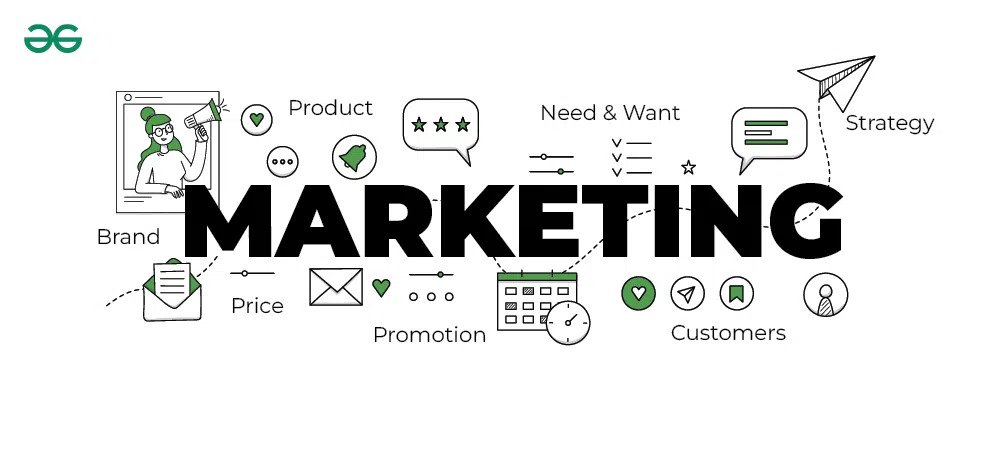
In today’s digital-first world, visual content plays a crucial role in attracting customers and building brand recognition. Whether you’re promoting products on social media, sending email newsletters, designing presentations, or creating advertisements, high-quality visuals can make your business appear more professional and trustworthy.

Fortunately, you don’t need a large budget or an in-house design team to produce eye-catching marketing materials. A wide range of online design resources makes it easier than ever for small businesses to create polished content. Here are seven essential design resources every small business should consider.
1. Graphic Design Platforms
Online graphic design platforms allow users to create professional visuals without advanced design experience. With customizable templates, drag-and-drop editors, and brand kits, these tools make designing social media posts, business cards, flyers, presentations, and brochures simple.
These platforms are ideal for entrepreneurs who want professional-looking content while saving time and design costs.
2. Stock Photo Libraries
High-quality images can instantly improve the appearance of your marketing materials. Stock photo websites offer thousands of professional photographs covering business, lifestyle, technology, food, travel, fashion, and many other industries.
Using authentic, relevant visuals helps your content look more engaging and credible than relying on generic or low-resolution images.
When choosing photos, select images that match your brand personality and resonate with your target audience.
3. Icon and Illustration Collections
Icons and illustrations make complex information easier to understand while adding visual appeal to presentations, websites, blogs, and infographics.
Whether you’re explaining a process, highlighting product features, or designing marketing materials, professionally designed icons create a clean and modern appearance.
Consistent icon styles also strengthen overall brand identity.
4. Font Resources
Typography has a significant impact on how people perceive your brand. The right font can communicate professionalism, creativity, elegance, or friendliness.
Many online font libraries provide free and premium typefaces suitable for logos, websites, advertisements, and printed materials.
When selecting fonts, focus on readability and consistency. Using just two or three complementary fonts throughout your marketing content creates a cohesive brand image.
5. Color Palette Generators
Color plays a powerful role in branding and customer recognition.
Online color palette tools help businesses discover harmonious color combinations that reflect their brand personality. Whether you want a bold, energetic look or a calm, minimalist style, these resources simplify the process of choosing colors that work well together.
Using consistent brand colors across websites, advertisements, and social media builds stronger visual recognition.
6. Video Editing Tools
Video has become one of the most effective forms of digital marketing. Short promotional videos, product demonstrations, tutorials, and customer testimonials often generate higher engagement than static images.
User-friendly video editing platforms allow businesses to create professional-looking videos using templates, transitions, animations, captions, and music—even without prior editing experience.
High-quality videos can significantly increase your visibility across social media and digital advertising campaigns.
7. Brand Asset Management Tools
As businesses grow, keeping logos, fonts, templates, and marketing materials organized becomes increasingly important.

Brand asset management tools help teams store and access approved design files from one central location. This ensures consistency across every marketing campaign, whether content is being created by employees, freelancers, or agencies.
Maintaining consistent branding helps build trust and strengthens your company’s professional image.
Tips for Creating Better Marketing Designs
No matter which design resources you use, following a few best practices can improve your marketing materials:
- Keep layouts clean and uncluttered.
- Use high-quality images and graphics.
- Maintain consistent colors and fonts.
- Prioritize readability over excessive decoration.
- Design with your target audience in mind.
- Optimize visuals for both desktop and mobile viewing.
Simple, well-organized designs often have a greater impact than overly complicated ones.
Final Thoughts
Professional marketing content doesn’t require expensive software or years of design experience. By using the right design resources—from graphic design platforms and stock photo libraries to font collections, video editors, and branding tools—small businesses can create visually appealing content that captures attention and builds customer trust.
The key is consistency. Establish a recognizable visual identity, use high-quality assets, and focus on delivering clear, engaging messages across every platform. With today’s accessible design tools, even the smallest business can produce marketing materials that look polished, professional, and ready to compete in a crowded marketplace.










Related Posts


Stay Informed With the Latest & Most Important News
Previous Post
Next Post












-
 01How to Find the Best Hotel Deals Without Overpaying
 -
 02Celebrities Making Headlines with Climate Activism and Awareness
 -
 03How to Avoid Burnout in a Busy World: Practical Strategies for a Healthier, Happier Life
 -
 04London to Paris by Train: The Complete Travel Guide
 -
 05Stand or Sit? Standing Desk vs. Traditional Desk: Which One Is Better for Remote Work?
 -
 06The Health Benefits of Drinking Coffee: Why Your Daily Cup May Be Good for You
 -
 077 Design Resources Every Small Business Should Use to Create Professional Marketing Content