Wholesale vs. Dropshipping: Which Business Model Is Better for Growing Retail Brands?


Starting an online retail business has never been more accessible, thanks to business models like wholesale and dropshipping. Both allow entrepreneurs to sell products online without manufacturing them, but they differ significantly in terms of inventory management, investment, profit margins, and scalability. Choosing the right model depends on your business goals, budget, and long-term growth strategy.
If you’re planning to launch or expand a retail brand, understanding the strengths and challenges of each approach can help you make an informed decision.
What Is Wholesale?
Wholesale is a business model in which retailers purchase products in bulk from manufacturers or distributors at discounted prices. The retailer stores the inventory and sells individual items directly to customers at a profit.
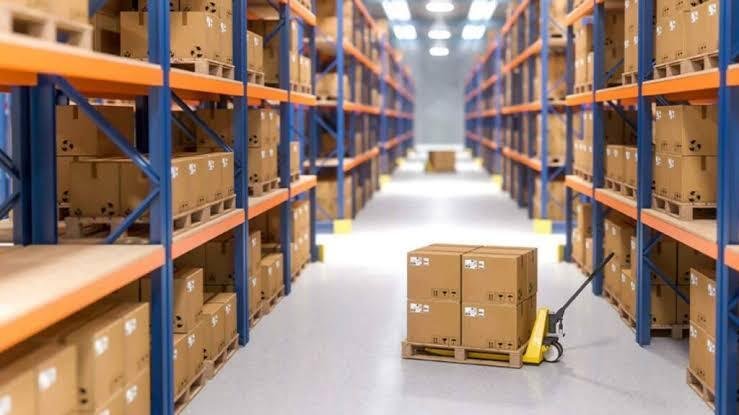
Because products are purchased in larger quantities, the cost per item is usually lower, allowing businesses to enjoy healthier profit margins.
Advantages of Wholesale
Buying inventory in bulk offers several benefits:
- Lower cost per product
- Higher profit margins
- Better control over inventory
- Faster shipping to customers
- Opportunity for custom branding and packaging
Wholesale is often preferred by businesses that want to build a recognizable brand and provide a consistent customer experience.
Challenges of Wholesale
Wholesale also comes with responsibilities.
Retailers need to invest in inventory upfront, arrange storage space, and manage stock levels. Unsold inventory can tie up capital, and businesses must forecast demand accurately to avoid overstocking or shortages.
What Is Dropshipping?
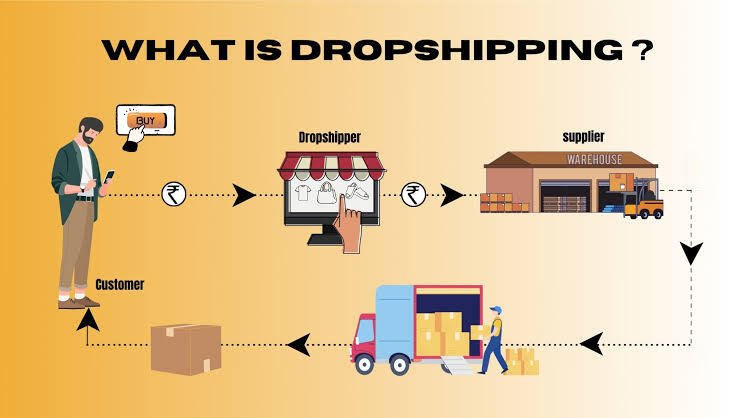
Dropshipping is a fulfillment model where retailers sell products without keeping inventory. When a customer places an order, the retailer forwards it to a supplier, who then ships the product directly to the customer.
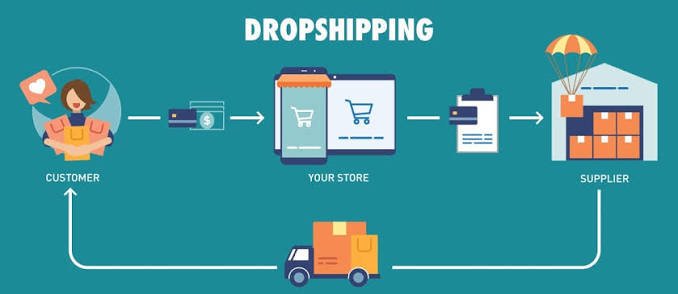
This eliminates the need to purchase stock in advance or manage warehouse operations.
Advantages of Dropshipping
Dropshipping has become popular because it offers a low-risk way to start an online business.
Key benefits include:
- Low startup costs
- No inventory management
- No warehouse expenses
- Wide product selection
- Easy to test new markets and products
Entrepreneurs can launch a store with minimal investment and expand their product catalog without purchasing inventory.
Challenges of Dropshipping
Despite its convenience, dropshipping has several limitations.
Because many retailers may sell identical products from the same suppliers, competition is often intense. Profit margins are usually lower than wholesale, and businesses have limited control over shipping speed, packaging, and product quality.
Customer satisfaction may also be affected if suppliers experience delays or inventory shortages.
Comparing Wholesale and Dropshipping
When choosing between these models, consider the following factors:
Startup Investment
- Wholesale requires a larger upfront investment.
- Dropshipping allows you to start with relatively low capital.
Inventory
- Wholesale businesses manage and store inventory.
- Dropshipping businesses rely on suppliers to handle stock.
Profit Margins
- Wholesale generally offers higher profit margins.
- Dropshipping often provides lower margins due to supplier pricing.
Shipping
- Wholesale enables faster shipping because products are stored locally.
- Dropshipping shipping times depend on supplier location and fulfillment speed.
Brand Control
- Wholesale offers greater control over packaging, branding, and customer experience.
- Dropshipping provides limited opportunities for customization.
Which Model Is Better for Growing Retail Brands?
The answer depends on your business objectives.
If you’re testing a new business idea or have limited startup funds, dropshipping can be an excellent way to enter the market with minimal financial risk. It allows you to experiment with different product categories before committing to inventory.
However, if your goal is to build a long-term retail brand with stronger customer loyalty, higher profit margins, and greater control over product quality, wholesale is often the better choice. Owning your inventory enables faster fulfillment, customized packaging, and a more consistent brand experience.
Many successful businesses even combine both models—using dropshipping to test new products while stocking their best-selling items through wholesale purchasing.
Final Thoughts
Both wholesale and dropshipping offer valuable opportunities for online retailers, but each comes with unique advantages and challenges. Wholesale is ideal for businesses seeking higher margins, better brand control, and long-term growth, while dropshipping provides a flexible, low-cost way to start selling online.
Before choosing a business model, evaluate your budget, operational capabilities, and future goals. The right decision isn’t about which model is universally better—it’s about selecting the one that aligns with your vision for your retail brand. With careful planning and a customer-focused approach, either model can become the foundation of a successful e-commerce business.










Related Posts
Stay Informed With the Latest & Most Important News
Previous Post
Next Post












-
 01Top 15 Trending Products Everyone Is Buying Right Now
 -
 02Dangerous Destinations: Where You Might Want to Rethink Travel Plans in 2026
 -
 03Seasonal Home Cleaning and Maintenance Guide: Keep Your Home in Top Shape All Year
 -
 04Vrbo vs Airbnb: Which Vacation Rental Platform Should You Choose?
 -
 05Best Drinks to Boost Immunity Naturally
 -
 06Top Flight Booking Hacks Every Traveler Should Know in 2026
 -
 07Winter Skincare Essentials: How to Keep Your Skin Healthy in Cold Weather