

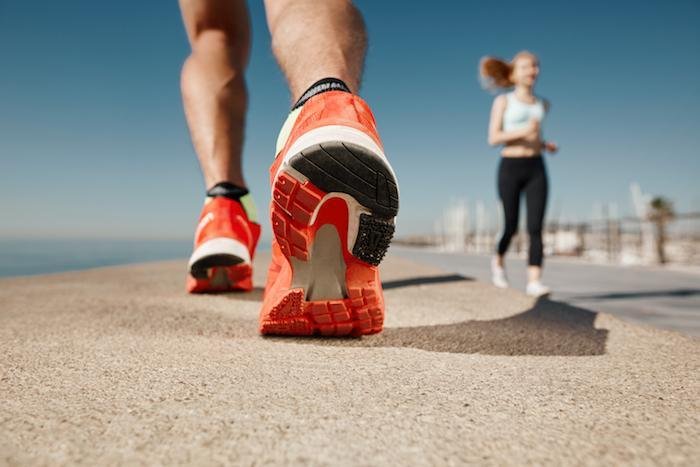
There was a time when buying a new pair of running shoes was a simple, five-minute task. You walked into a sporting goods store, picked a color you liked, made sure your toes weren’t cramped, and headed straight to the cash register. The options were uniform, the foam was basic, and the stakes felt relatively low.

In 2026, walking into a running boutique or browsing an e-commerce site can feel like stepping into a high-tech physics laboratory. The shelves are packed with wild geometries, varying “stack heights,” nitrogen-infused foams, and hidden stabilization technologies. With premium shoes routinely crossing the $150 to $200 mark, making a blind purchase is an expensive gamble that can lead to chronic blisters, joint fatigue, or shin splints. To find the perfect match for your feet and your fitness goals, here are the essential factors you must consider before buying your next pair.
1. Understand Your Terrain: Road, Trail, or Hybrid?
Before you even look at a shoe’s cushioning or brand name, you need to be deeply honest about where your miles actually happen. Running shoes are highly specialized tools engineered for specific surfaces, and using them on the wrong terrain drastically shortens their lifespan and compromises your safety.
- Road Shoes: Engineered for concrete, asphalt, and treadmills. They feature smooth, durable rubber outsoles and prioritize maximum shock absorption to protect your joints from repetitive, hard-surface impacts.
- Trail Shoes: Built for dirt, mud, and rocky paths. They ditch smooth rubber for aggressive, deep lugs that bite into loose terrain, and they often include protective rock plates and reinforced uppers to shield your feet from debris.
- Hybrid (Road-to-Trail) Shoes: The perfect choice if your daily route transitions from neighborhood sidewalks to light park trails. They feature toned-down lugs that don’t feel awkward on hard pavement but still offer reliable grip on loose soil.
2. Cushioning Categories: Maximum Stack vs. Ground Feel
The modern running landscape is currently dominated by “maximalist” shoes—super-sized trainers featuring massive blocks of ultra-plush foam beneath the foot. However, more cushioning isn’t automatically better for every runner; it is a matter of personal biomechanics and preference.
[Maximalist / High Stack]  ──> Maximum shock absorption, saves legs, dampens road feel.
[Minimalist / Low Stack]   ──> Maximum agility, lightweight, sharp ground feedback.
If you are a high-mileage runner, cover long distances on weekends, or struggle with joint soreness, a high-stack performance foam (like PEBA or supercritical EVA) acts as an incredible leg-saver by absorbing harsh impact forces. However, if you prefer a highly responsive, nimble ride where you can actively feel the ground, or if you primarily do fast track workouts and agility drills, a lower-profile, firmer shoe will give you the snappy turnover you crave.
3. Deciphering the Geometry: Heel-to-Toe Drop

The “heel-to-toe drop” represents the difference in height between the heel of the shoe and the forefoot, measured carefully in millimeters. This seemingly tiny structural metric dictates exactly how impact forces are distributed through your lower body.
| Drop Metric | Typical Measurement | Best For | Biomechanical Impact |
| High Drop | 8mm to 12mm | Traditional heel-strikers | Shifts impact stress upward away from the calves and Achilles, loading it into the knees and hips. |
| Low / Zero Drop | 0mm to 4mm | Midfoot or forefoot strikers | Promotes a natural, level stride, loading impact forces into the lower calves and Achilles tendon. |
If you have a history of tight calves or Achilles tendonitis, switching abruptly to a low-drop shoe can trigger immediate strain. Always check the specifications and try to stay within a few millimeters of your current comfortable footwear to avoid shocking your musculoskeletal system.
4. Throw Away Your Standard Shoe Size
The absolute golden rule of buying running shoes is to ignore your everyday casual shoe size. When you run, the repetitive forward motion causes your blood to pump and your feet to naturally swell, expanding up to half a full size over the course of a long workout. Furthermore, your toes actively splay outward to stabilize your body every time your foot strikes the ground.
Always aim for a thumb’s width of empty space between your longest toe and the very front tip of the shoe. If your toes are pressing against the material while standing still in the store, they will be bruised, blistered, and jammed by mile three. Prioritize the fit of the midfoot lockdown and ensure the heel cup completely prevents slipping, but give your toes the absolute freedom to move.
Final Thoughts: Trust Your Feet Over the Hype
Ultimately, the most expensive, highly-reviewed shoe on social media is completely useless if it doesn’t align with your unique biology. Do not buy a shoe simply because an elite athlete broke a record in it, or because the colorway perfectly matches your favorite workout gear. Focus on your terrain, understand your cushioning preferences, respect your lower-body mechanics, and prioritize structural comfort above all else. When you find a shoe that disappears on your foot, you have found the perfect training partner to carry you safely through your next hundred miles.










Related Posts



Stay Informed With the Latest & Most Important News
Previous Post
Next Post












-
 01Simple Skincare Habits That Can Help Improve Your Routine
 -
 02How Namecheap Helps Small Businesses Build an Online Presence
 -
 03Delicious Drinks You Can Make in Under 10 Minutes
 -
 04Beginner’s Guide to Fishing: Essential Gear Every Angler Needs
 -
 05How to Book the Best Travel Experiences on Viator and Save Money
 -
 06Top Flight Booking Hacks Every Traveler Should Know in 2026
 -
 07How to Pose People Who Are Not Models for Natural and Authentic Portraits