

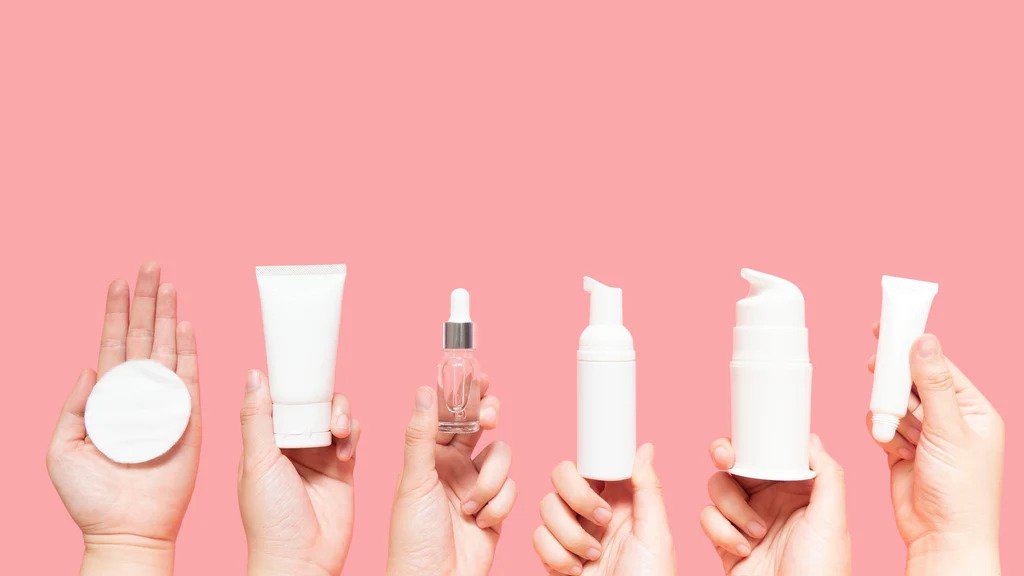
Not too long ago, a standard trip to the skincare aisle was a relatively predictable experience. The shelves were dominated by legacy pharmaceutical brands, and purchasing decisions were driven almost entirely by clinical-sounding marketing claims. Consumers looked for synthetic ingredients engineered in labs, trusting that complex chemical formulations were the only way to combat aging, clear blemishes, or achieve a radiant complexion.

Today, that clinical hegemony has been completely disrupted. Walk into any modern beauty boutique or open any digital marketplace, and you will witness a massive, structural industry shift. The contemporary consumer is aggressively bypassing generic, mass-market chemical options in favor of natural, plant-based, and premium skincare formulations. The global clean beauty market is no longer a fringe, grassroots movement; it is a driving force of the multi-billion-dollar personal care industry. This soaring demand isn’t just a passing aesthetic trend—it is a profound reflection of how modern consumers view wellness, environmental ethics, and long-term self-care. Here is what is driving the clean skincare revolution.
1. The “Ingestible Health” Realization: What Goes On, Goes In
The primary driver behind the natural skincare boom is a massive wave of consumer education regarding dermal absorption. Thanks to the democratization of dermatological data via podcasts, independent medical creators, and accessible scientific journalism, people have finally connected the dots between what they put on their bodies and how they feel inside their bodies.
The modern consumer understands that the skin is not an impenetrable shield; it is a highly porous, living organ that actively absorbs the compounds placed upon it. This realization has sparked widespread skepticism toward traditional mass-market formulations packed with synthetic parabens, phthalates, sulfates, and artificial fragrances—compounds increasingly linked to endocrine disruption, chronic skin sensitivity, and systemic inflammation. By shifting to natural alternatives that leverage cold-pressed botanical oils, herbal extracts, and marine elements, consumers are treating skincare as an extension of a clean diet. If you wouldn’t willingly ingest synthetic chemicals, why would you let your skin drink them every single morning?
2. The Rise of “Skinimalism” and Ingredient Transparency
In past years, the beauty industry pushed a narrative of excess, popularizing hyper-complicated, ten-step routines that required layering a dozen different synthetic serums. However, this approach frequently backfired, leaving consumers with compromised skin barriers, chronic redness, and chemical irritation.
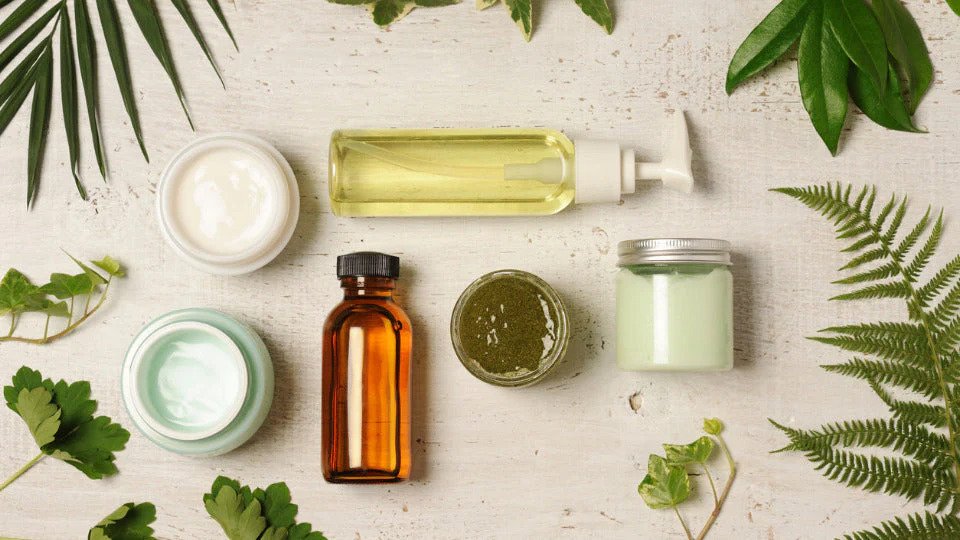
The modern response is a philosophy known as skinimalism—a return to a lean, highly intentional routine focused on maximum ingredient transparency. Premium, natural skincare brands are capitalizing on this shift by ditching confusing chemical jargon and focusing on high-potency, recognizable star ingredients. Consumers now actively look for clean, concentrated botanicals like bakuchiol (a natural, non-irritating alternative to retinol), centella asiatica (tiger grass) for barrier repair, and hyaluronic acid derived from fermented plants. Premium brands justify their value not through flashy packaging, but by proving exactly where their raw ingredients are sourced, how they are extracted, and the clean science that validates their efficacy.
3. Conscious Luxury and Environmental Synergy
The modern definition of a “premium” product has undergone a complete ethical upgrade. Historically, a luxury skincare item was defined strictly by an expensive price tag, a heavy glass jar, and a prestigious European brand name.
Today, premium status is explicitly tied to sustainability and conscious consumerism. Gen Z and Millennial buyers, who represent the core demographic driving this market, refuse to separate personal wellness from planetary health. A truly premium natural brand must offer a circular ecosystem:
- Ethical Sourcing: Utilizing fair-trade, regeneratively farmed botanicals that support local agricultural communities.
- Cruelty-Free Formulations: Guaranteeing zero animal testing across the entire supply chain.
- Sustainable Packaging: Replacing single-use plastics with biodegradable bioplastics, endlessly recyclable aluminum, or refillable glass pod systems.
For the modern consumer, paying a premium price point is a conscious investment in an ethical lifestyle, turning a daily skincare routine into an act of environmental synergy.
Final Thoughts: A New Standard of Radiance
Ultimately, the growing demand for natural and premium skincare represents a permanent evolution in consumer consciousness. We are no longer willing to sacrifice our long-term health or environmental values for a temporary cosmetic fix. By embracing high-purity botanical ingredients, demanding absolute transparency, and supporting sustainable luxury, modern consumers are rewriting the rules of the beauty industry. True radiance is no longer about masking our skin with synthetic overlays; it is about nourishing our biology from the outside in, and letting a clean, healthy canvas speak for itself.










Related Posts


Stay Informed With the Latest & Most Important News
Previous Post
Next Post











-
 01The Sensorial Shift: Discover the Latest Trends in Beauty, Skincare, and Fragrances
 -
 02Celebrities Making Headlines with Climate Activism and Awareness
 -
 03Klook vs Sonder: Why Travelers Are Choosing Flexible Online Booking Platforms
 -
 04The Ultimate Skincare Routine for Every Skin Type
 -
 05Find the Best Hotel Deals on Booking.com: A Complete Guide
 -
 06How to Become Fluent in a Foreign Language Through Daily Practice
 -
 07Healthy Meal Delivery Ideas for Busy Professionals