
The Rising Trend of Electric Bikes: Why E-Bikes Are Changing the Way We Ride


Electric bikes — commonly known as e-bikes — are no longer a niche mode of transport. What began as a quirky urban alternative has turned into a global mobility revolution, reshaping how people commute, explore cities, and even exercise. In 2026, e-bikes are more than a trend — they’re a mainstream choice powered by technology, sustainability, and changing lifestyle habits.
Let’s explore why electric bikes are booming and what this trend means for riders, cities, and the future of transportation.
🚴♂️ What Is an E-Bike?
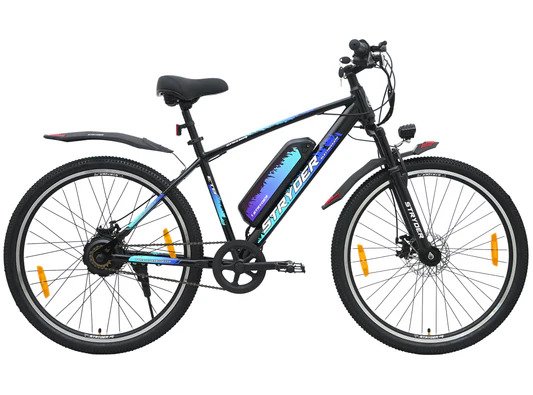
An electric bike looks like a regular bicycle but includes an integrated electric motor that assists when you pedal. Depending on the model, the motor can:
- Provide a gentle boost for hills
- Take over propulsion entirely in throttle-controlled versions
- Extend your riding range with minimal effort
Because e-bikes blend human and electric power, they make cycling accessible to a wider range of riders — from daily commuters to retirees, adventurers, and casual riders alike.
🌍 Why E-Bikes Are Taking Off
Several key forces are driving the explosive growth of electric bikes worldwide:
1. Eco-Friendly Urban Mobility
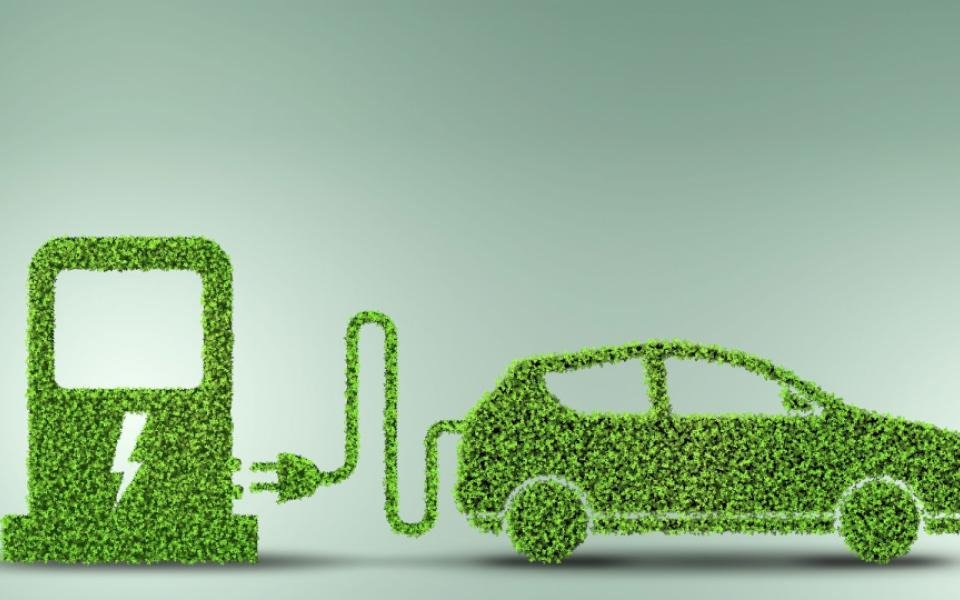
Climate change and congestion have pushed cities to embrace cleaner transport. E-bikes produce zero tailpipe emissions and require far less energy than cars or motorcycles. For short and medium commutes, they offer a sustainable alternative to fossil fuel–powered vehicles.
2. Affordable Transportation
Compared to car ownership, e-bikes are affordable to buy and maintain. Charging an e-bike costs a fraction of fueling a vehicle, and repairs are generally very reasonable. For many urban dwellers, e-bikes have become a practical solution to rising transport costs.
3. Health and Accessibility
E-bikes make cycling enjoyable for people who might shy away from traditional bikes due to:
- Hilly terrain
- Physical limitations
- Long distances
The pedal-assist feature allows riders to get exercise at their own pace while reducing strain on joints and muscles.
4. Urban Infrastructure Improvements
Cities around the world are investing in bike lanes and e-bike-friendly infrastructure. Safer streets encourage more riders to adopt electric bikes for daily travel.
📈 E-Bike Trends Shaping the Market in 2026
The e-bike industry has evolved rapidly. Here are some of the biggest trends driving the market now:
🔋 1. Better Battery Technology
Lithium-ion batteries today are lighter, longer-lasting, and faster to charge. Some high-end models now offer ranges of 70+ miles per charge, making them viable for longer commutes and weekend adventures.
🔧 2. Smart E-Bikes
Integration with technology is a major theme:
- GPS tracking
- Smartphone connectivity
- App-controlled motor settings
- Theft alarms
Smart e-bikes combine convenience with security and performance optimization.
🛴 3. Foldable and Compact Models
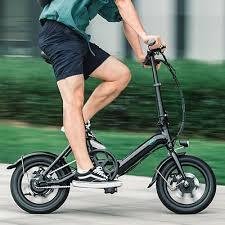
Urban commuters love foldable e-bikes that can be brought indoors, stored in small apartments, or carried onto public transport — blending flexibility with convenience.
🛍 4. Customization and Niche Designs
From cargo e-bikes for families and deliveries to adventure-ready mountain e-bikes, the market has diversified beyond basic commuters. Consumers now choose e-bikes tailored to their lifestyles.
🚧 Challenges and Solutions
Despite their popularity, electric bikes come with challenges:
Safety Concerns
With increased speed and urban use, e-bike accidents have risen in some cities. Better infrastructure and rider education are crucial for safer streets.
Regulation Variance
E-bike laws — such as speed limits and helmet requirements — differ by region. Riders must stay informed about local regulations to avoid fines or safety issues.
Battery Disposal
While batteries are efficient, disposal and recycling remain environmental concerns. Manufacturers and cities are stepping up recycling programs to manage e-waste responsibly.
🌟 The Future of E-Bikes
The e-bike trend is not slowing down — it’s accelerating. Here’s what we can expect in the coming years:
- Integration with public transit systems
- Shared electric bike programs expanding in cities
- Advances in battery tech for longer range and faster charging
- AI-optimized ride controls for personalized performance
In many places, electric bikes are already reshaping daily life. They reduce gridlock, cut emissions, and offer an active lifestyle without intimidation.
🚲 Final Thoughts
Electric bikes are more than a trend — they’re a movement toward smarter, cleaner, and healthier transportation. Whether you’re commuting to work, exploring greenways on weekends, or just seeking an eco-friendly way to get around town, e-bikes offer unmatched versatility.
As cities evolve and tech improves, e-bikes are poised to become an everyday ride for millions worldwide. The future of mobility is electric — and it’s on two wheels.










Stay Informed With the Latest & Most Important News
Previous Post
Next Post












-
 01Daily Exercises to Improve Posture and Support Spine Health
 -
 02Celebrities Making Headlines with Climate Activism and Awareness
 -
 03Spectacular Photos of Nature from the World’s Most Scenic Spots
 -
 04Best Homemade Pickles You Must Try
 -
 05From Idea to Online Brand: The 2026 Blueprint for Building a High-Converting Website
 -
 06Stunning Photos Capture Nature’s Beauty from Around the World
 -
 07Total Identity Architecture: Navigating the Next Era of Digital Defense