

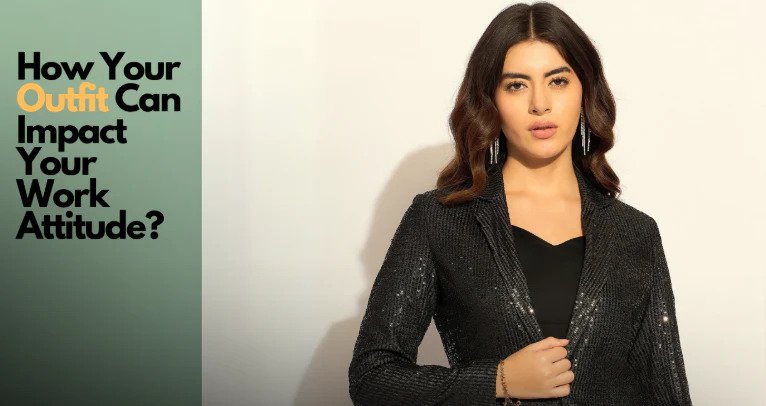
Clothing is more than just fabric stitched together to cover our bodies—it is a powerful form of self-expression. Every day, the outfits we choose send subtle messages about who we are, how we feel, and how we want the world to perceive us. The psychology of clothing explores the connection between what we wear and how it influences our mood, confidence, behavior, and even the impressions others form about us.
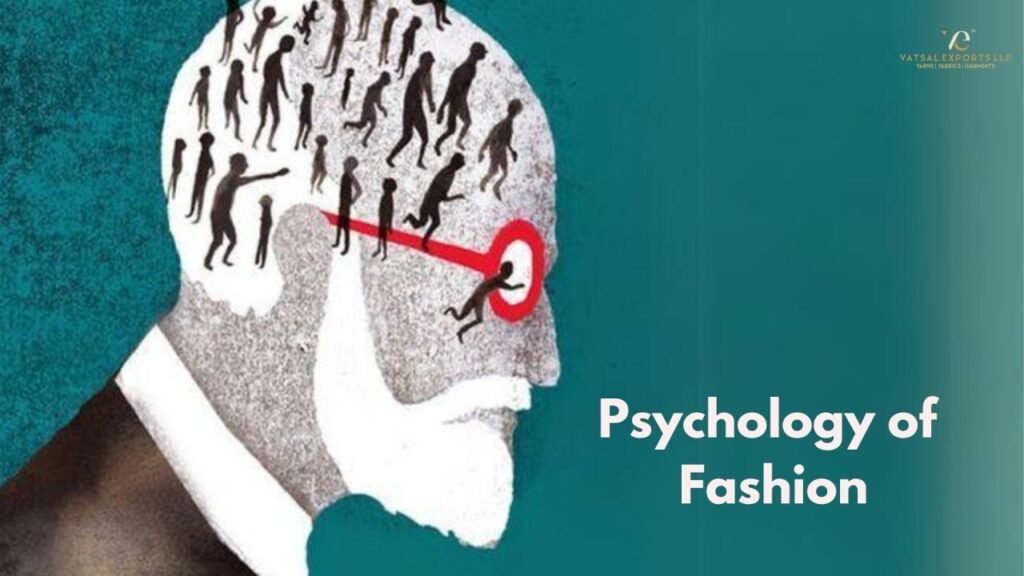
First Impressions and Silent Communication
Studies suggest that people form first impressions within seconds of meeting someone. Before we speak, our clothing often does the talking. A well-tailored suit may communicate professionalism and authority, while casual jeans and sneakers can suggest approachability and ease. Bright colors may reflect creativity and confidence, while neutral tones often signal sophistication or practicality.
Clothing acts as a visual cue. For example, uniforms create a sense of trust and structure—think of doctors, police officers, or chefs. Similarly, formal attire at a business meeting signals seriousness and competence. Even small details like accessories, footwear, or grooming contribute to the overall message.
Enclothed Cognition: Dressing the Part
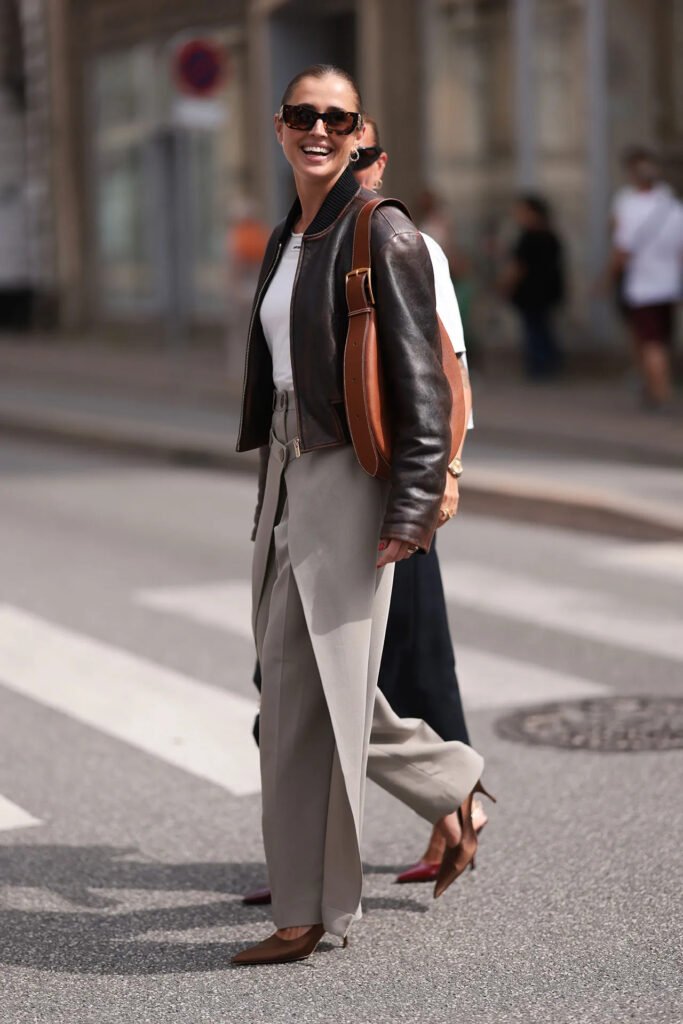
Psychologists use the term “enclothed cognition” to describe how clothing affects the wearer’s mental state. Simply put, what we wear can influence how we think and perform. When someone dresses professionally, they often feel more focused and confident. Wearing workout clothes may boost motivation to exercise. Comfortable loungewear can create a sense of relaxation.
This psychological effect explains why many people prefer to “dress for success.” When we believe our outfit aligns with our goals, our mindset shifts accordingly. A student who dresses neatly for an exam may feel more prepared, while an entrepreneur wearing formal attire during a presentation might feel more authoritative.
Clothing and Personal Identity
Our fashion choices often reflect our personality and values. Minimalists may prefer simple, clean lines and neutral colors, reflecting clarity and practicality. Creative individuals might experiment with bold patterns, unique silhouettes, or vintage pieces. Those who value sustainability may choose eco-friendly or thrifted clothing as a statement of environmental responsibility.
Clothing also helps people feel connected to certain communities or cultures. Traditional attire during festivals, team jerseys at sports events, or band T-shirts at concerts foster a sense of belonging. Through fashion, individuals express both their uniqueness and their connection to larger groups.
Mood and Emotional Expression
Have you ever noticed that you reach for certain clothes depending on your mood? On days when you feel confident, you might choose something stylish and eye-catching. During stressful or low-energy days, comfort often takes priority. Clothing can both reflect and influence emotions.

Colors play a significant role in this connection. Bright shades like yellow or red may energize and uplift, while softer tones like blue or pastel pink can create calmness. Wearing clothes that make us feel attractive or comfortable can improve self-esteem and overall mood.
Social Perception and Stereotypes
While clothing empowers self-expression, it can also lead to assumptions and stereotypes. Society often associates certain styles with specific professions, lifestyles, or social groups. This can influence how individuals are treated in professional or social settings.
For example, someone dressed formally may be perceived as more responsible, even before demonstrating their skills. On the other hand, overly casual clothing in formal environments may be misinterpreted as a lack of seriousness. Being aware of these perceptions allows individuals to make thoughtful clothing choices based on context.
The Balance Between Authenticity and Adaptation
The psychology of clothing is ultimately about balance. While it is important to dress according to occasion and environment, authenticity should not be sacrificed. The most impactful outfits are those that combine personal style with situational awareness.
Fashion does not have to be expensive or trendy to be powerful. What matters most is how clothing makes you feel. Confidence, comfort, and self-awareness shine brighter than any brand label.
Conclusion
Your outfit is more than a daily routine—it is a reflection of your identity, mood, and intentions. Clothing shapes first impressions, influences confidence, and communicates unspoken messages. By understanding the psychology behind what we wear, we can make more intentional choices that align with our personality and goals. In the end, fashion is not just about looking good—it is about feeling empowered and expressing who you truly are.










Related Posts

Stay Informed With the Latest & Most Important News
Previous Post
Next Post












-
 01The Sensorial Shift: Discover the Latest Trends in Beauty, Skincare, and Fragrances
 -
 02Celebrities Making Headlines with Climate Activism and Awareness
 -
 03Klook vs Sonder: Why Travelers Are Choosing Flexible Online Booking Platforms
 -
 04The Ultimate Skincare Routine for Every Skin Type
 -
 05Find the Best Hotel Deals on Booking.com: A Complete Guide
 -
 06How to Become Fluent in a Foreign Language Through Daily Practice
 -
 07Healthy Meal Delivery Ideas for Busy Professionals