

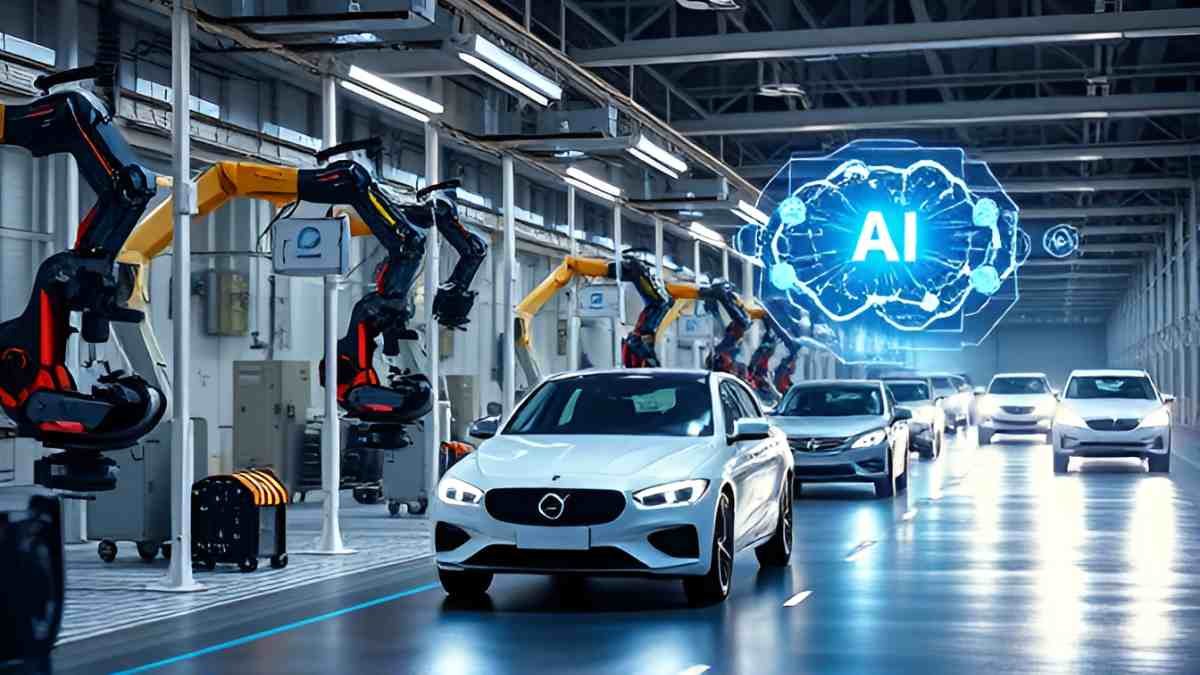
Artificial Intelligence (AI) is no longer a futuristic concept in the automotive world — it is actively transforming how vehicles are designed, manufactured, tested, and delivered. From smart robots on factory floors to predictive maintenance systems and AI-powered quality checks, the auto manufacturing industry is undergoing a digital revolution. As competition intensifies and demand for electric and autonomous vehicles grows, AI has become a critical driver of efficiency, precision, and innovation.
Smarter Production Lines
One of the most visible impacts of AI in auto manufacturing is on the production line. Traditional assembly lines relied heavily on manual labor and pre-programmed machines. Today, AI-powered robots can adapt in real time. These collaborative robots, or “cobots,” work alongside human workers to assemble parts, weld components, and install intricate systems with exceptional accuracy.
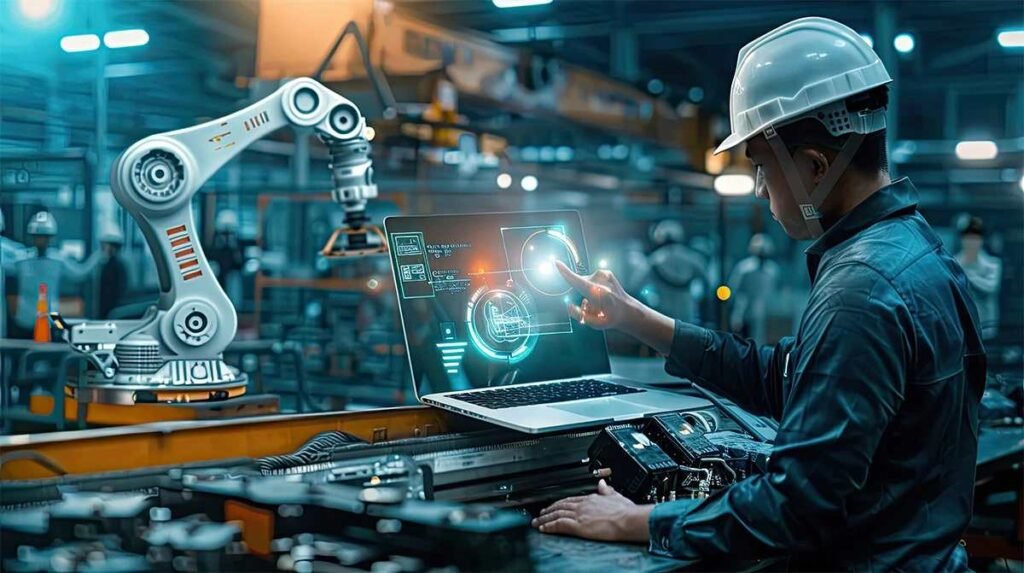
AI systems analyze data from sensors embedded in machinery to optimize workflow. They can identify bottlenecks, adjust speed, and balance workloads across stations. This leads to faster production cycles, reduced downtime, and lower operational costs. Manufacturers like Tesla, BMW, and Toyota have integrated AI-driven robotics to increase production efficiency while maintaining high safety standards.
Predictive Maintenance and Reduced Downtime
Unexpected equipment failure can cost manufacturers millions in lost production. AI helps solve this problem through predictive maintenance. By collecting and analyzing data from machines — such as vibration levels, temperature changes, and performance metrics — AI algorithms can predict when a component is likely to fail.
Instead of waiting for a breakdown, manufacturers can schedule maintenance proactively. This reduces downtime, extends equipment lifespan, and minimizes repair costs. Predictive maintenance not only saves money but also ensures smoother operations across large-scale manufacturing plants.
Enhanced Quality Control
Quality control is a critical aspect of auto manufacturing. Even a minor defect can lead to recalls, financial losses, and damage to brand reputation. AI-powered computer vision systems are now being used to inspect vehicles with extreme precision.
High-resolution cameras combined with machine learning algorithms can detect microscopic defects in paint, welding, and assembly that might be invisible to the human eye. These systems learn from thousands of images, improving accuracy over time. As a result, manufacturers can maintain consistent quality while reducing manual inspection time.
Optimized Supply Chain Management
The automotive supply chain is complex, involving thousands of parts sourced globally. AI plays a key role in managing this complexity. By analyzing market trends, demand forecasts, and logistics data, AI systems help manufacturers optimize inventory levels and supplier coordination.
During disruptions — such as raw material shortages or shipping delays — AI can quickly recommend alternative suppliers or adjust production schedules. This agility is crucial in today’s unpredictable global market. Efficient supply chain management also reduces waste and improves overall profitability.
AI in Vehicle Design and Innovation
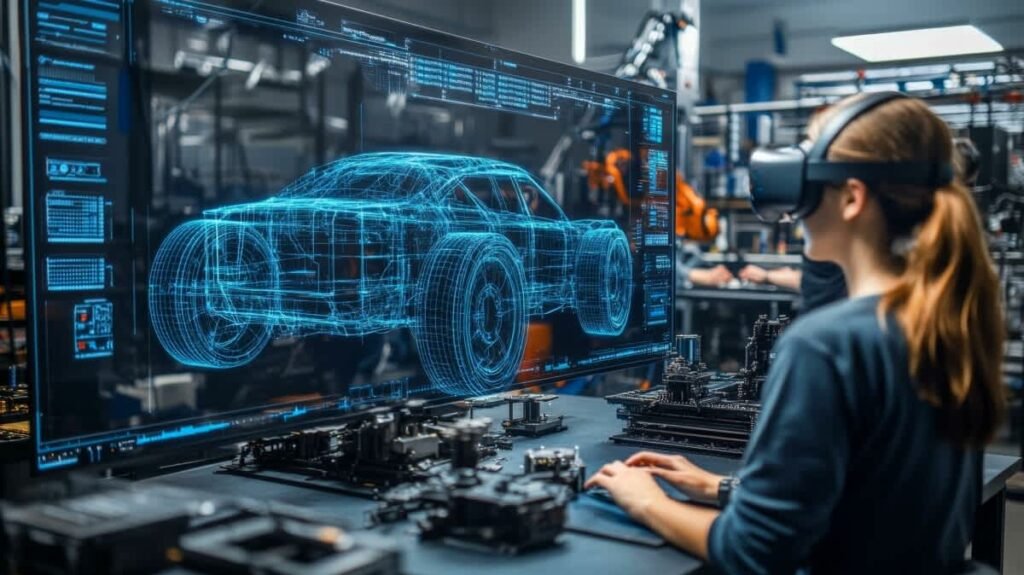
AI is not limited to manufacturing processes; it also influences vehicle design and development. Engineers use AI-powered simulation tools to test vehicle performance, aerodynamics, and safety features before physical prototypes are built. This significantly reduces development time and costs.
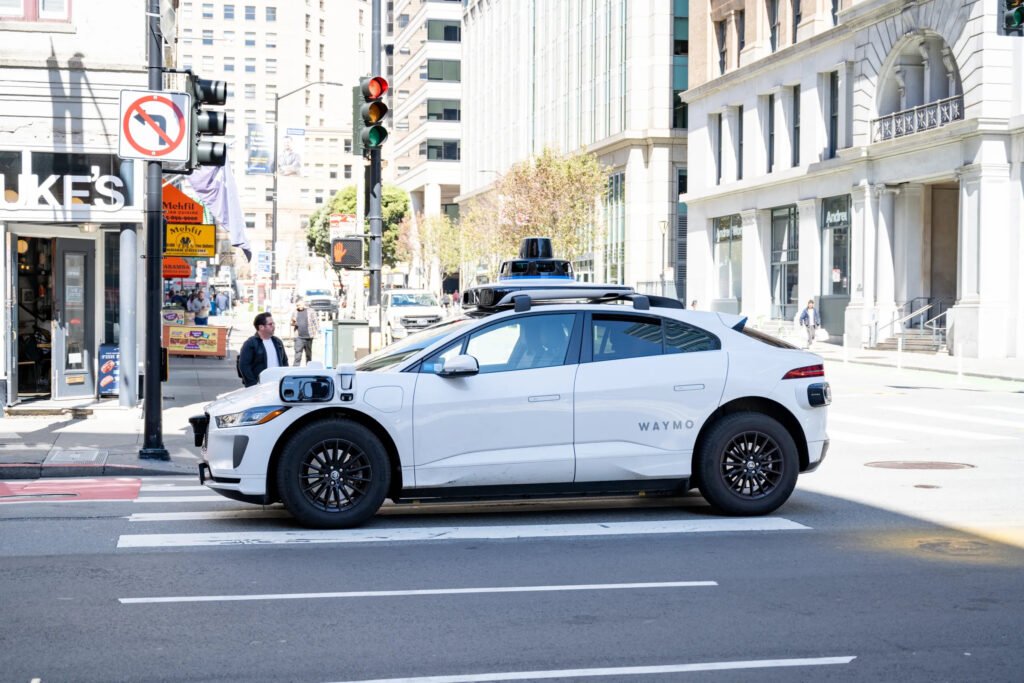
Additionally, AI accelerates the development of electric and autonomous vehicles. Machine learning models help improve battery efficiency, optimize energy consumption, and refine self-driving systems. By analyzing vast amounts of driving data, AI enhances vehicle intelligence and safety.
Workforce Transformation
While AI automates repetitive tasks, it does not eliminate the need for human workers. Instead, it transforms roles. Employees are increasingly required to manage, monitor, and collaborate with intelligent systems. This shift creates demand for new skills in data analysis, robotics programming, and AI system management.
Manufacturers are investing in upskilling programs to prepare their workforce for this digital transition. The combination of human expertise and AI precision results in a more productive and innovative manufacturing environment.
The Road Ahead
Artificial Intelligence is redefining auto manufacturing from end to end. It enhances efficiency, reduces costs, improves quality, and drives innovation in vehicle development. As electric vehicles and autonomous technologies continue to evolve, AI will become even more deeply embedded in the industry.
The future factory will be smarter, more connected, and highly adaptive — powered by data and intelligent systems. In the race toward mobility innovation, AI is not just a tool; it is the engine driving the transformation of auto manufacturing.










Related Posts

Stay Informed With the Latest & Most Important News
Previous Post
Next Post












-
 01Klook vs Sonder: Why Travelers Are Choosing Flexible Online Booking Platforms
 -
 02How to Save on Groceries Without Sacrificing Quality or Freshness
 -
 03How to Build a Better Wellness Routine in 2026
 -
 04The Future of Wearable Tech: Ray-Ban AI Glasses Explained
 -
 05Are Cities Ready for the Electric Vehicle Boom in 2024?
 -
 06Best Way to Travel London to Paris
 -
 07Hidden Travel Gems of the World: 7 Places You’ve Probably Never Heard Of — But Should