
Bringing the ’70s Back: How to Renovate with Retro Flair (Without Looking Dated)

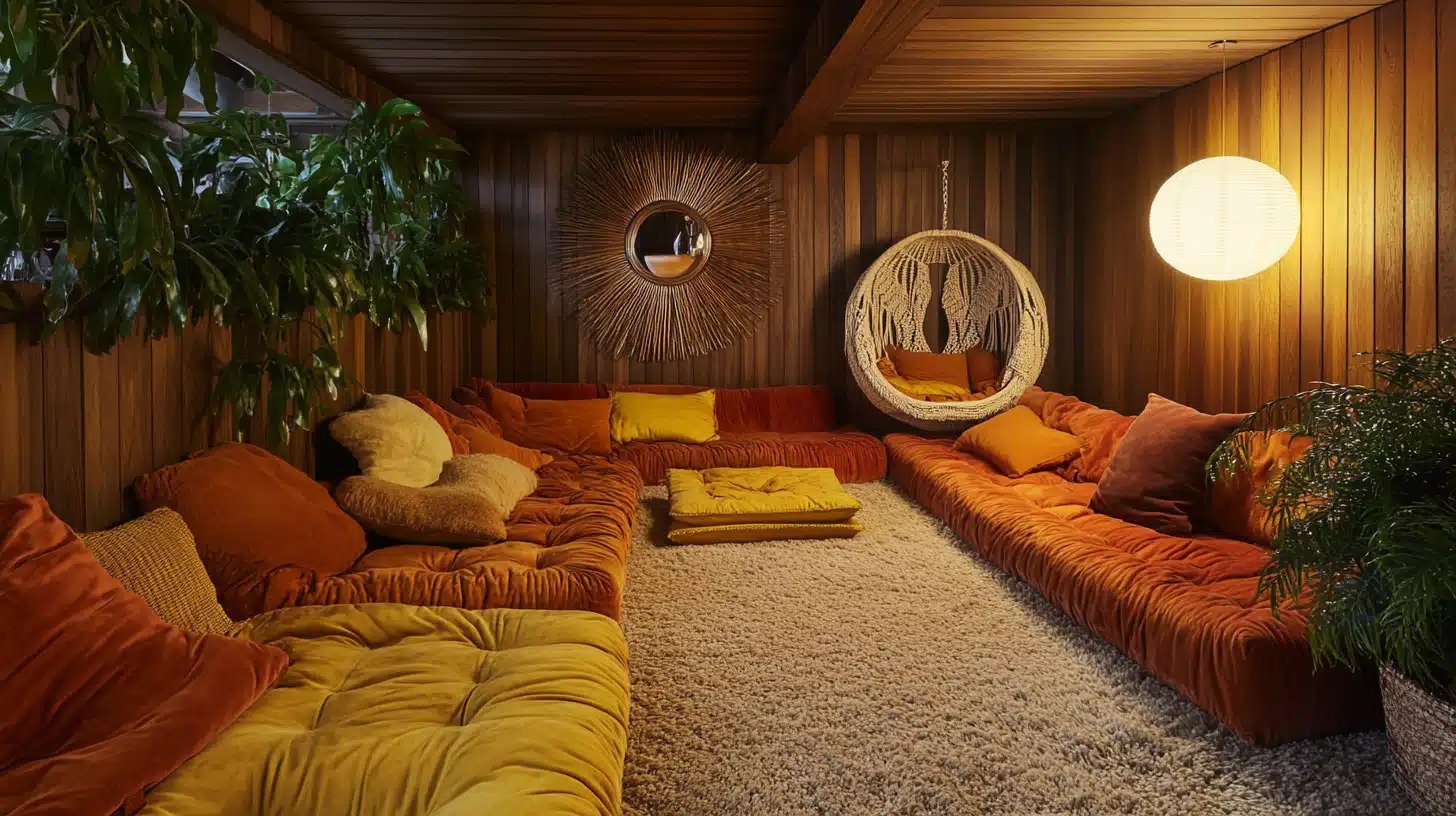
The 1970s were bold, expressive, and unapologetically unique — and today, that fearless design spirit is making a stylish comeback. From earthy color palettes to statement lighting and textural layers, the decade’s aesthetic offers warmth and personality that many modern interiors crave. But there’s a fine line between retro-inspired and stuck-in-the-past. The key to bringing the ’70s back into your home is balance: honoring the era’s charm while updating it for contemporary living.
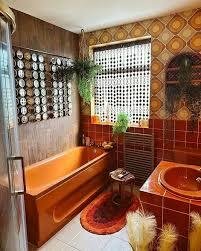
Here’s how to renovate with retro flair — without looking dated.
Start with a Refined Color Palette
The ’70s were known for their earthy hues: burnt orange, mustard yellow, avocado green, chocolate brown, and deep rust. While these shades are iconic, using them all at once can overwhelm a space.
Instead, choose one or two signature tones and pair them with modern neutrals like warm white, cream, or soft greige. For example, a rust-colored accent wall or mustard velvet armchair can add instant 1970s character without dominating the room. The goal is to evoke the era, not recreate it exactly.
Embrace Texture — Lots of It
Texture was everything in the ’70s. Think shag rugs, velvet sofas, macramé wall hangings, and wood-paneled walls. To modernize this look, layer textures thoughtfully rather than crowding the space.
Swap wall-to-wall shag carpeting for a plush area rug. Choose boucle or velvet upholstery in streamlined silhouettes. Add rattan or cane furniture for natural warmth. Even subtle touches — like linen curtains or ceramic table lamps — can capture that cozy, tactile vibe the decade was famous for.
Update Wood Elements
Dark wood paneling was a staple of ’70s interiors, but in its original form, it can feel heavy. Instead of removing wood entirely, consider updating it.
You can paint paneling in a warm neutral to lighten the space while preserving its texture. Alternatively, incorporate walnut or teak furniture pieces to nod to mid-century and ’70s design influences. These rich wood tones add depth and authenticity without overwhelming modern sensibilities.
Make a Statement with Lighting
Lighting in the 1970s was sculptural and dramatic — think globe pendants, arc floor lamps, and smoked glass fixtures. This is one area where you can confidently lean into retro style.
A bold pendant light over a dining table or a chrome arc lamp in the living room instantly channels ’70s glamour. Look for fixtures with curved lines, brass accents, or amber glass. Keep the rest of the decor relatively clean to let your lighting shine as a focal point.
Choose Patterns Carefully
Geometric prints, florals, and bold wallpapers defined the era. While these patterns are fun, moderation is essential.
Instead of covering every wall in busy wallpaper, create a feature wall with a subtle retro-inspired print. Pair it with solid furnishings to maintain balance. Throw pillows, artwork, or upholstery in geometric patterns are also great ways to experiment without committing to a full overhaul.
Blend Old and New
The secret to avoiding a dated look is contrast. Pair retro elements with modern finishes and layouts. For example, combine a low-slung ’70s-style sofa with a sleek marble coffee table. Mix vintage decor with contemporary art. Install modern cabinetry in a kitchen but choose warm-toned hardware and retro-inspired bar stools.
Open floor plans, minimal clutter, and updated appliances ensure your home functions for today’s lifestyle while still celebrating the past.
Add Plants — Generously
No ’70s-inspired renovation is complete without greenery. Houseplants were everywhere during the decade, from hanging planters to oversized floor pots.
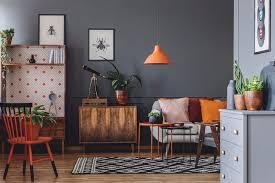
Incorporate leafy plants like monstera, rubber plants, or ferns to soften the space and enhance the organic feel. Modern planters in ceramic or matte finishes can keep the look fresh rather than nostalgic.
Keep It Personal
Above all, the 1970s were about self-expression. Don’t be afraid to incorporate vintage finds, handmade pieces, or meaningful decor. The charm of retro design lies in its personality.
By blending earthy colors, layered textures, sculptural lighting, and modern updates, you can bring the ’70s back in a way that feels warm, inviting, and effortlessly current. With the right balance, retro flair doesn’t look dated — it looks timeless.










Related Posts
Stay Informed With the Latest & Most Important News
Previous Post
Next Post











-
 01Stop Living Paycheck to Paycheck — Smarter Money Moves Start Here
 -
 02Why More People Are Investing in Performance Running Shoes in 2026
 -
 03How to Create Your Dream Lifestyle on Any Budget
 -
 04Why Zelle & Modern Payment Apps Are Becoming Essential for Everyday Spending
 -
 05DIY Home Remedies: Natural Solutions for Everyday Health and Wellness
 -
 0610 Smart Ways to Save Money on Your Next Hotel Stay
 -
 07Foods Recommended by Doctors to Boost Your Immune System Naturally