

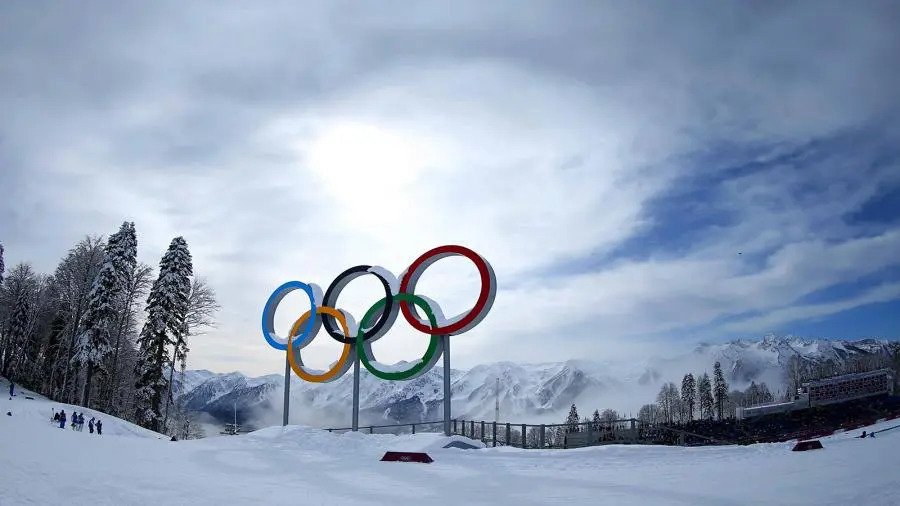
The Winter Olympics in Italy, officially known as the Milan–Cortina 2026 Winter Olympic Games, mark a historic moment for both the Olympic movement and the host nation. Set against the breathtaking backdrop of the Italian Alps and the vibrant city life of northern Italy, these Games promise a unique blend of world-class sport, rich culture, and sustainable innovation. As the world turns its attention to Italy, the Winter Olympics are poised to deliver unforgettable moments on and off the ice.
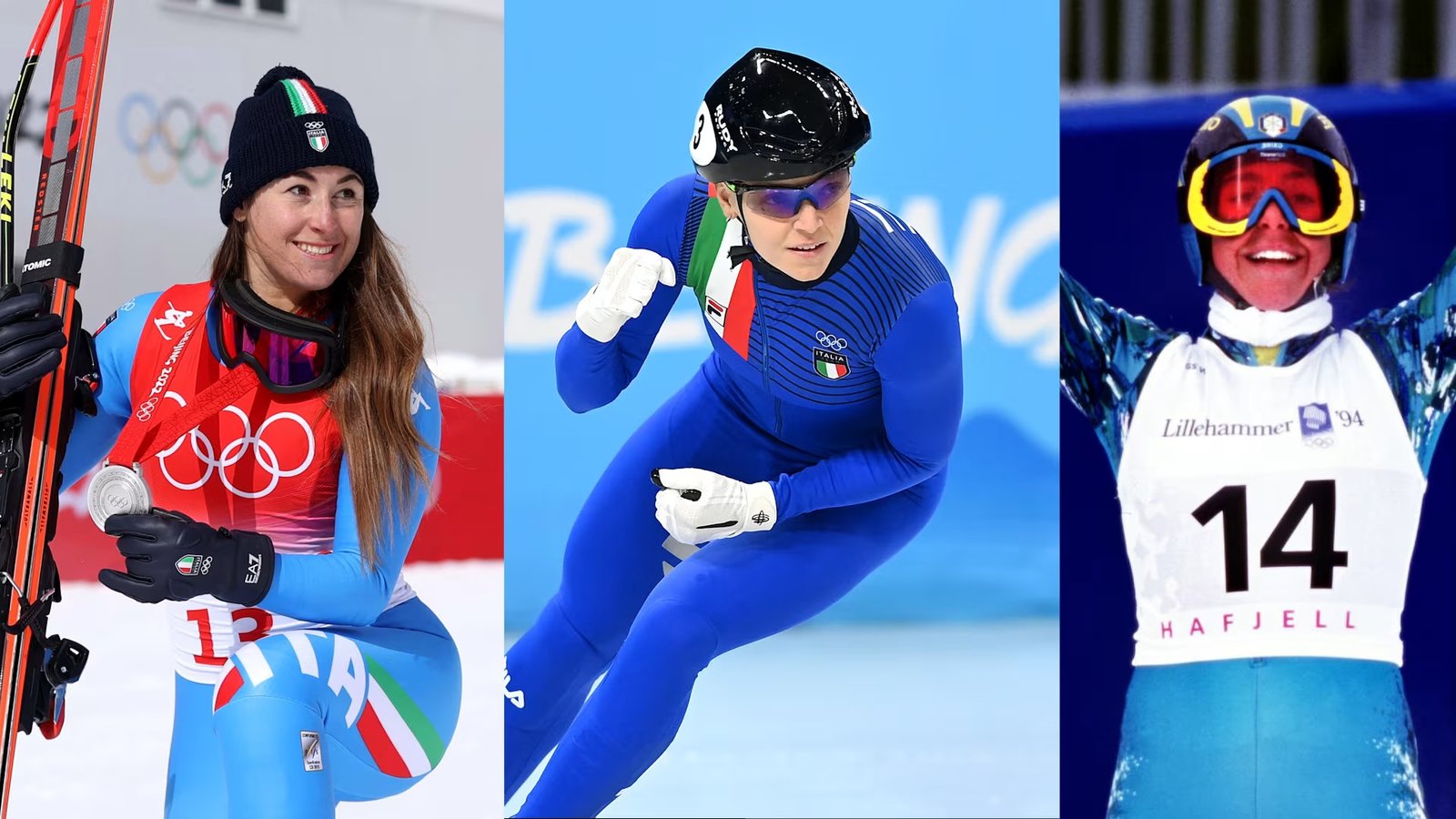
A Return to Italy for the Winter Games
Italy has a proud Olympic legacy. Cortina d’Ampezzo previously hosted the Winter Olympics in 1956, while Turin welcomed the Games in 2006. Milan–Cortina 2026 represents a new chapter, combining tradition with modernity by spreading events across multiple iconic locations rather than relying on a single host city. This approach highlights Italy’s diverse geography, from snow-covered mountain ranges to cosmopolitan urban centers.
Host Cities and Venues
Unlike past Games centered in one city, Milan–Cortina 2026 uses a multi-city model. Milan, one of Europe’s fashion and business capitals, hosts the opening ceremony and indoor events like ice hockey and figure skating. Cortina d’Ampezzo, a legendary Alpine resort, becomes the heart of outdoor winter sports such as alpine skiing, curling, and sliding events.
Additional venues across Lombardy, Veneto, and Trentino-Alto Adige bring competitions closer to existing infrastructure, reducing the need for large-scale construction. This strategy not only preserves natural landscapes but also ensures long-term use of Olympic facilities.
Focus on Sustainability
Sustainability is a core theme of the Milan–Cortina Winter Olympics. Organizers have emphasized reusing and upgrading existing venues rather than building new ones from scratch. This reduces environmental impact and avoids the issue of abandoned Olympic infrastructure after the Games.
Efforts also include energy-efficient transportation, reduced emissions, and responsible tourism practices. By balancing athletic excellence with environmental responsibility, Italy aims to set a new standard for future Olympic hosts.
Sports and Athletes to Watch
The Winter Olympics feature classic events such as skiing, snowboarding, ice hockey, figure skating, speed skating, and biathlon. Milan–Cortina 2026 continues to showcase these fan favorites while highlighting emerging athletes from both traditional winter sports nations and countries new to the Winter Games.
With cutting-edge venues and passionate local crowds, athletes will compete under intense yet inspiring conditions. For many, these Games represent the pinnacle of years of dedication and training.
Italian Culture on the Global Stage
Beyond competition, the Winter Olympics in Italy offer a global audience a taste of Italian culture. From regional cuisine and historic architecture to music and art, the Games serve as a cultural showcase. Visitors and viewers alike can experience Italy’s famous hospitality, culinary traditions, and deep connection to art and design.
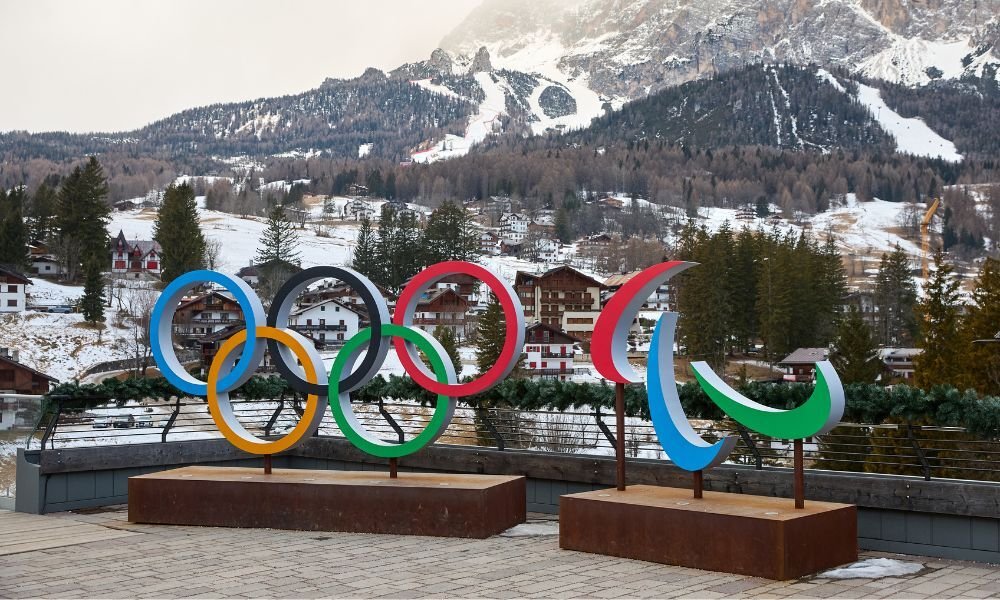
Milan’s modern elegance combined with Cortina’s alpine charm creates a distinctive Olympic atmosphere—one that reflects both innovation and heritage.
Economic and Social Impact
Hosting the Winter Olympics brings significant economic opportunities. Improved infrastructure, increased tourism, and international exposure benefit local communities long after the Games conclude. The event also inspires youth participation in sports and strengthens Italy’s global image as a destination for both travel and international events.
Final Thoughts
The Milan–Cortina Winter Olympics represent more than just athletic competition—they are a celebration of unity, resilience, and shared passion for sport. By blending stunning natural landscapes, historic cities, and a strong commitment to sustainability, Italy’s Winter Games promise to be both memorable and meaningful. As athletes take to the snow and ice, the world will witness not only sporting excellence, but also the timeless beauty and spirit of Italy.










Stay Informed With the Latest & Most Important News
Previous Post
Next Post








-
 01Spending Time Outdoors Linked to Better Mental HealthHealth Care Roulette
 -
 02Inside the Making of This Year’s Most-Anticipated Blockbuster
 -
 03Why Travel Changes Your Perspective on Life
 -
 04Eco-Friendly Home Improvement Ideas: Build a Greener, Smarter Living Space
 -
 05Best Beach Destinations Around the World
 -
 062016 Is Making a Comeback in Fashion: Why the Style Cycle Is Turning Back
 -
 07The DIY Concept: Creativity, Independence, and the Joy of Making Things Yourself