

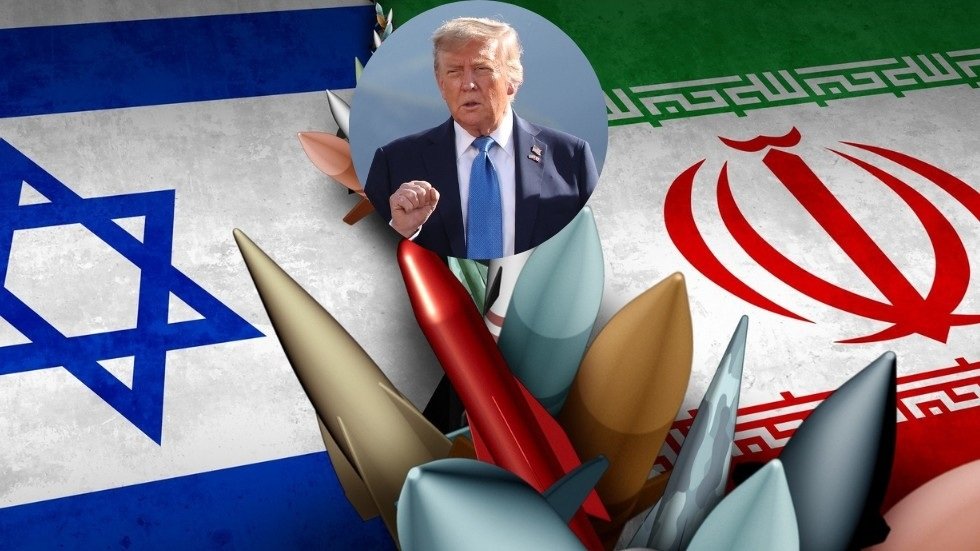
In late February 2026, the Middle East experienced one of the most dramatic escalations in decades as tensions between the United States, Iran, and Israel erupted into active military conflict — sending shockwaves across the region and the world. This confrontation, rooted in long-standing geopolitical friction and years of diplomatic breakdowns, has rapidly unfolded into a crisis with far-reaching consequences.
Origins of the 2026 Conflict
The latest escalation traces back to worsening disputes over Iran’s nuclear programme, missile capabilities, and influence across the Middle East. Diplomatic efforts in early 2026, including indirect talks mediated by Oman, failed to produce a new agreement — largely due to deep disagreements over enriching uranium and ballistic missile restrictions. With negotiations stalled, the United States and Israel opted for direct military action, citing an “existential threat” posed by Iran’s advancing capabilities.

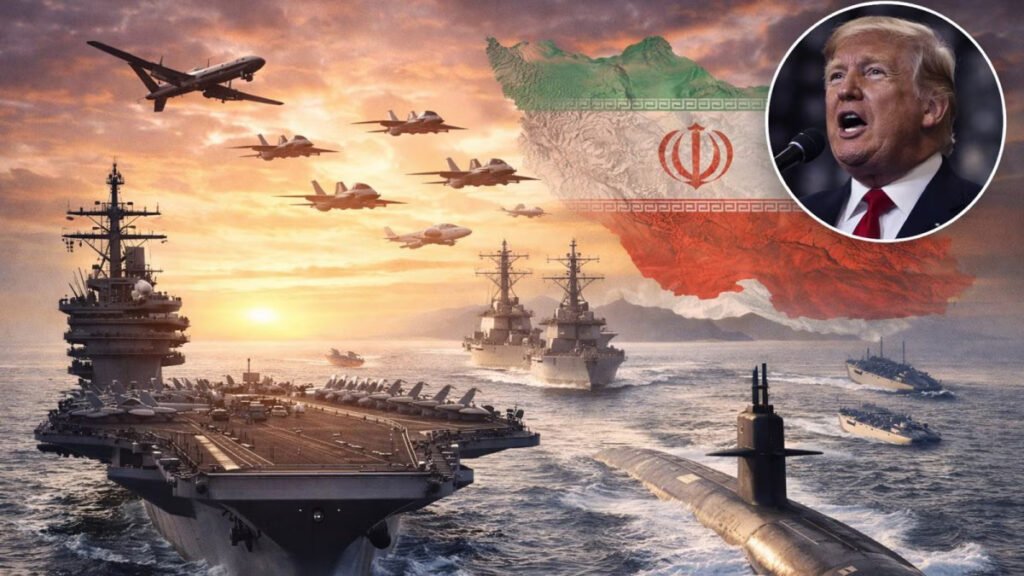
On 28 February 2026, the U.S. and Israel launched a joint military campaign against Iran, codenamed both Operation Epic Fury and Operation Lion’s Roar. This extensive air and missile offensive targeted Iran’s nuclear facilities, military infrastructure, and leadership command centres. It marked one of the most significant direct attacks on Iranian territory by foreign powers in living memory.
Escalation and Key Events
The coordinated strikes struck multiple Iranian cities, including Tehran, targeting strategic facilities tied to the nuclear programme. The operation was aimed at preventing Iran from advancing toward weapons-grade nuclear material and degrading systems seen as offensive threats.
In the early hours after the offensive, Iran’s Supreme Leader, Ayatollah Ali Khamenei, was killed in the strikes — a development later confirmed by Iranian and international sources. His death has created an unprecedented leadership crisis in Tehran.
Iran responded forcefully, launching ballistic missiles and drone strikes at Israeli territory and U.S. bases across the Gulf, including sites in Bahrain, Kuwait, Qatar, and the United Arab Emirates. Explosions were reported in multiple Gulf cities, and Iranian forces declared that U.S. and Israeli assets were legitimate targets.
Human and Regional Impact
The toll of the conflict has already been devastating. In Iran alone, hundreds of people have been killed and more than 700 injured following the initial airstrikes. Civilians were among the casualties, including tragic reports of children killed when a school was hit in southern Iran.
In Israel, attacks triggered civil defence alerts and civilian casualties as missiles struck urban areas. A state of emergency was declared, schools and many public institutions were closed, and tens of thousands of reservists were mobilised to defend against further attacks.
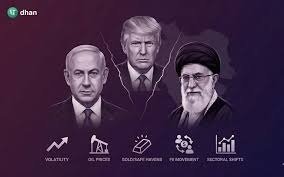
Neighboring countries have not been spared either. Emergency alerts were issued in the UAE, with many residents told to seek shelter. Air travel has been severely disrupted, with airlines cancelling hundreds of flights and civil aviation authorities advising avoidance of multiple airspaces due to security concerns.
Global Reactions and Diplomatic Strain
The international community has expressed deep concern over the escalation. At a United Nations Security Council emergency session, the U.N. Secretary-General condemned the violence and urged restraint, highlighting the risk of a broader regional war. Both sides defended their actions — the U.S. asserting legal justifications based on national security, and Iran denouncing the attacks as unlawful aggression.
Major world powers have taken divergent stances. Countries like Russia and China have criticised the strikes and called for de-escalation, while European nations have pressed for peace talks and diplomatic engagement. These divisions at the global level reflect complicated alliances and strategic interests in the region.
Wider Economic and Security Consequences
Beyond the battlefield, the crisis has already impacted global markets and logistics. Disruptions in air travel and concerns over maritime transport through the Strait of Hormuz — a key global energy artery — have contributed to volatility in oil prices. Analysts warn that continued conflict could destabilise energy supplies and disrupt global trade routes if naval or aerial threats persist.
Looking Ahead
As of now, the conflict remains active and unresolved. The death of Iran’s supreme leader, reciprocal military strikes, and entrenched political positions make de-escalation challenging. Diplomats and regional partners are striving for ceasefires, but the risk of broader confrontation — including proxy engagements across the Levant and Gulf — continues to grow.
The US–Iran–Israel tension of early 2026 illustrates how longstanding geopolitical rivalries, mistrust, and failed diplomacy can quickly escalate into full-scale conflict. Its consequences extend well beyond the Middle East, potentially reshaping global alliances, energy markets, and international security in the months and years ahead










Related Posts
Stay Informed With the Latest & Most Important News
Previous Post
Next Post










-
 01Celebrities Making Headlines with Climate Activism and Awareness
 -
 02The EV Revolution: How Electric Cars Are Taking Over the Roads
 -
 03The Manufacturing of Robots: From Concept to Intelligent Machines
 -
 04The Future of Wearable Tech: Ray-Ban AI Glasses Explained
 -
 05Top Tips to Stay Motivated and Avoid Burnout While Working Remotely
 -
 06Banaras: A Timeless Journey Through India’s Spiritual Heart
 -
 07Online Clothing Shopping: Convenience, Choice, and the Future of Fashion